
Work On Oil Rigs With No Experience
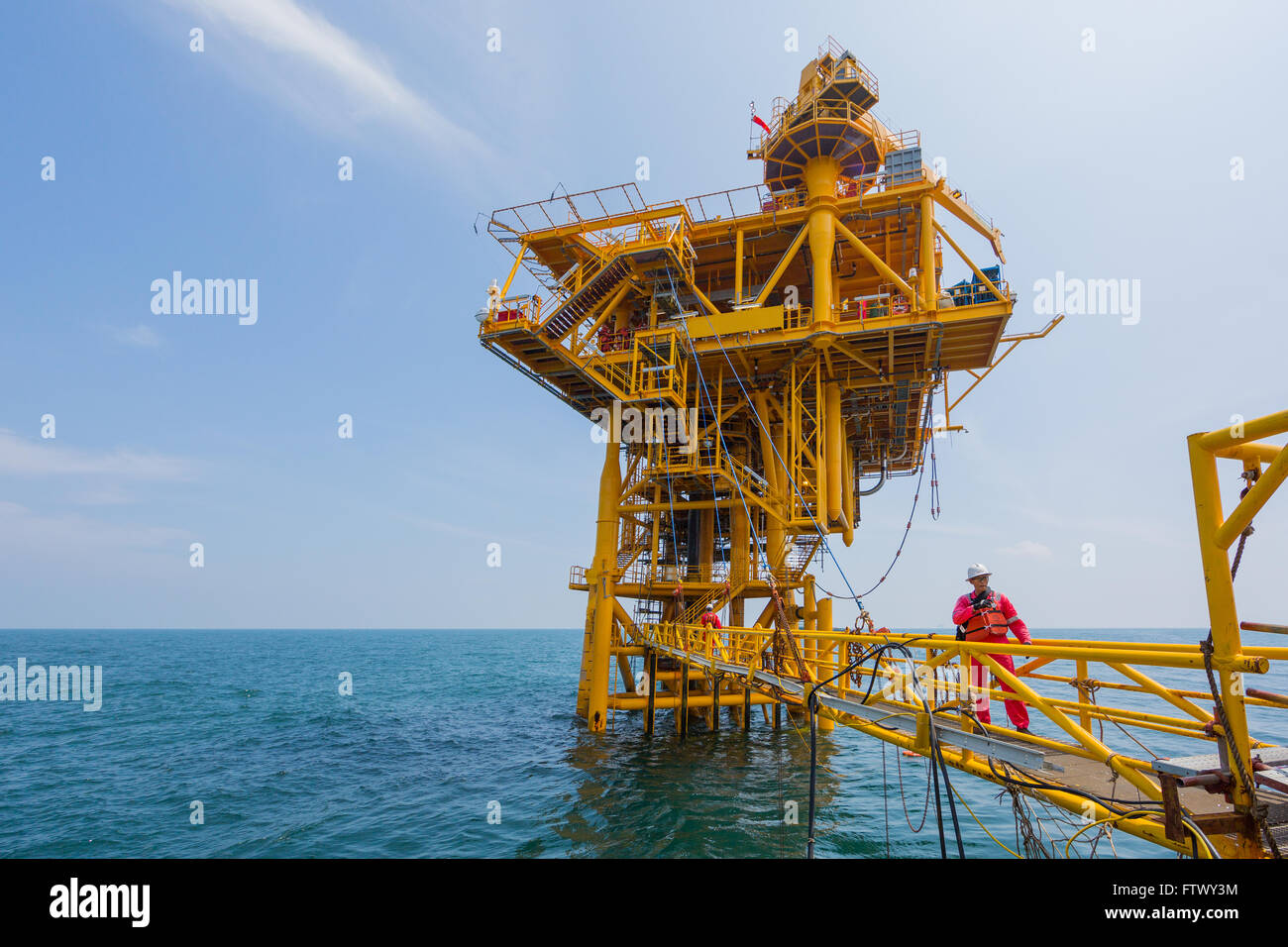
Ever scroll through Instagram, seeing those impossibly blue ocean shots, or perhaps a dramatic sunset painting the horizon, and think, "There's gotta be more to life than spreadsheets and the morning commute?" Yeah, us too. The world of oil rigs often conjures images of rugged adventurers and serious grit, a far cry from your average nine-to-five. But what if we told you that you, yes, even you with zero oil field experience, could be part of that world? Sounds a bit like a plot twist from a blockbuster, right? Well, buckle up, because we're diving into the surprisingly accessible, and dare we say, chill reality of working on an oil rig with no prior experience.
Forget the idea of needing a geology degree or a lifetime of maritime training. The oil and gas industry is a hungry beast, and it's constantly looking for new talent. Think of it like a really niche, really well-paying apprenticeship program. The entry-level roles are designed specifically for people to learn on the job. It’s not about knowing everything from day one; it’s about having the right attitude and a willingness to get your hands dirty (sometimes literally!).
So, what kind of roles are we talking about? Primarily, these are the backbone jobs: roustabouts, deckhands, roughnecks, galley hands, and roustabouts. These are the folks who keep the whole operation running smoothly. They’re the ones painting, cleaning, moving equipment, assisting the skilled trades, and generally making sure everything is in its right place. It’s physically demanding, sure, but it's also incredibly rewarding in terms of the skills you'll pick up and the camaraderie you'll build.
Think of the roustabout. They're like the Swiss Army knife of the rig. Need something moved? Roustabout. Need something cleaned? Roustabout. Need a hand with a basic task? You guessed it, roustabout. It's the perfect starting point to get your foot in the door and see if this lifestyle is for you. It’s also a fantastic way to build up your physical fitness. Forget those fancy gym memberships; your job will become your workout!
The galley hands are the unsung heroes. Imagine being out at sea, miles from shore, and the only thing that's going to make your day better is a hot meal. That’s the galley crew. They prepare, cook, and serve food to the entire rig. It’s a vital role, and if you have any interest in culinary arts, or just enjoy making people happy through food, this could be your golden ticket. Plus, the smells coming from the galley can be a welcome distraction from the salty air.
Now, let's talk about the practicalities. How do you actually get there? It’s not as simple as sending in a resume for a barista position. You’ll need to do some legwork. First, research the major oil and gas companies operating in your region or the regions you’re willing to relocate to. Companies like Schlumberger, Halliburton, Transocean, and Chevron are always hiring. Check their career pages religiously.
Beyond direct applications, there are specialized recruitment agencies that focus solely on the oil and gas sector. These guys know who's hiring and what they're looking for. Think of them as your personal headhunters for the high seas (or, you know, the oil fields). They can be an invaluable resource for navigating the industry’s hiring landscape.

One of the absolute must-haves for almost any offshore role is an
Then there's the
When you’re crafting your resume, even without direct experience, highlight transferable skills. Are you a team player? Have you ever managed a challenging project? Are you reliable and punctual? Do you have a strong work ethic? These are all highly valued on an oil rig. Emphasize any experience where you’ve worked in demanding environments or had to adapt quickly. Did you work in construction? Retail? Food service? All these jobs teach valuable lessons about hard work and customer service, which translates well to rig life.
Think of it like this: you're not just applying for a job; you're applying for a lifestyle. This isn't a typical 9-to-5. You'll be working on rotation, meaning you'll work for a set period (say, two weeks on, two weeks off, or even longer stretches) and then have extended time off. This is where the "easy-going lifestyle" really kicks in. That block of time off? That's yours to do with as you please. Travel the world, learn a new skill, spend quality time with family and friends, or just recharge your batteries. It’s a trade-off: intense work periods for significant personal freedom.

The pay is another huge draw. Entry-level positions can pay surprisingly well, and with experience and certifications, the salary can skyrocket. This isn't just pocket money; this is life-changing money. It’s the kind of income that allows for significant savings, early retirement planning, or funding those ambitious personal projects you’ve always dreamed of.
Let's talk culture. The oil rig is a melting pot. You’ll be working with people from all walks of life, from different countries, with different backgrounds and perspectives. This can be incredibly enriching. You'll learn from them, share stories, and forge bonds that can last a lifetime. Imagine pub quizzes where the answers are debated by a former fisherman from Newfoundland, a chef from the Philippines, and a former accountant from Texas. It’s a unique social ecosystem.
There's a certain pride that comes with working in such a vital industry. You're contributing to the world's energy needs, a fundamental part of modern society. It’s a tangible contribution, and that can be deeply satisfying. You’re part of a team that’s literally keeping the lights on, fueling transportation, and powering industries.
Accommodation on board is usually communal. Think of it like a very well-equipped dorm room or bunkhouse. It’s clean, functional, and designed for practicality rather than luxury. Meals are communal in the mess hall, fostering that sense of togetherness. It’s a far cry from room service, but it's efficient and keeps everyone fed and watered.
Now, for the fun facts. Did you know that the largest oil rig in the world, the Hibernia platform, is taller than the Eiffel Tower? Or that some offshore rigs have helipads that are busier than major international airports? It's a testament to the scale and importance of these operations. And while it might seem remote, modern rigs are equipped with surprisingly good communication systems. You’ll likely have internet access, though it might be a bit slower than your home Wi-Fi.

The learning curve is steep, but it’s also incredibly rewarding. You’ll pick up a whole host of new skills, both technical and soft. You’ll become more resilient, more resourceful, and probably a lot more appreciative of your downtime. It’s an education in itself, and it’s paid for!
So, how do you approach this?
And a word of caution: it’s not for everyone. If you’re someone who craves constant social stimulation outside of work, or if you’re claustrophobic, or if you get easily seasick, it might be a challenging adjustment. But for those who are looking for an adventure, a significant financial boost, and a unique lifestyle that offers a powerful work-life balance, it’s an opportunity worth exploring.
Consider the lifestyle. You’re essentially outsourcing your living expenses for large chunks of the year. Accommodation, food, and often even laundry are covered. This means that a significant portion of your income is pure savings or disposable income. That's a game-changer for financial goals.

Imagine this: you finish your rotation, you’re home for two weeks. You’re not stressed about the daily grind. You can wake up when you want, pursue that hobby you’ve been neglecting, or finally tackle that home improvement project without feeling rushed. It’s a different rhythm of life, one that prioritizes rest and personal fulfillment after periods of intense effort.
The oil and gas industry is also a sector that’s constantly evolving. While traditional oil and gas extraction remains crucial, there’s a growing emphasis on sustainability and cleaner energy sources. This means opportunities are not only in traditional roles but also in emerging areas as the industry transitions. So, it's a field that offers long-term career prospects.
To recap, getting onto an oil rig with no experience is achievable by targeting entry-level roles, obtaining essential safety certifications (STCW and BOSIET), highlighting transferable skills on your resume, and being persistent in your job search. The rewards include excellent pay, a unique work rotation that allows for extensive time off, and the chance to be part of a vital global industry with a strong sense of camaraderie.
It's a bit like those trendy "digital nomad" lifestyles, but instead of working from a beach cafe with Wi-Fi that flickers like a dying firefly, you're working on a high-tech platform in the middle of the ocean, with a steady paycheck and guaranteed time to actually enjoy that beach later. It’s a commitment, for sure. It requires mental fortitude and a willingness to embrace a different way of living. But the payoff? Well, it’s more than just a salary increase; it's a shift in your entire perspective on what life can offer. And isn't that what an easy-going lifestyle is truly about – having the freedom and resources to design your own adventure?
Reflecting on this, it’s easy to see parallels in our daily lives. We often get so caught up in the immediate tasks, the "must-dos" of the day, that we forget to look at the bigger picture. We might be stuck in a routine that doesn't truly serve us, simply because it feels familiar. The oil rig opportunity, in its own intense way, reminds us that sometimes, stepping outside our comfort zone, acquiring new skills, and embracing a different rhythm can unlock experiences we never thought possible. It’s a powerful reminder that with the right preparation and a determined spirit, even the most seemingly distant opportunities can be within our reach, allowing us to craft a life that’s not just busy, but truly lived.