
Wooden Activity Table For 1 Year Old

Ah, the one-year-old stage. A whirlwind of first steps, deciphering babbles, and a newfound fascination with… well, everything. It’s a time of intense exploration, where tiny hands are eager to touch, grasp, and discover. And if you're anything like me, you're constantly on the hunt for ways to nurture that burgeoning curiosity without tripping over a mountain of plastic toys. Enter the humble, yet mighty, wooden activity table. Forget the flashing lights and deafening sounds of some modern contraptions; we're talking about a piece that’s as stylish as it is stimulating, a true gem for your little explorer.
Think of it as a mini-workshop, a personal art studio, a budding scientist’s lab – all rolled into one beautifully crafted piece of furniture. For a one-year-old, the world is a giant playground, and a wooden activity table provides a dedicated, organized space for them to engage with it. It’s more than just a toy; it’s an investment in their development, a sanctuary for hands-on learning, and frankly, a much-needed respite for your own sanity. Plus, let's be honest, it looks pretty darn good in the living room, right? A far cry from the neon eyesores that can sometimes dominate our homes.
The Magic of Montessori-Inspired Play
The beauty of a good wooden activity table often lies in its simplicity, mirroring the principles of Montessori education. Dr. Maria Montessori believed in the power of self-directed learning and the importance of providing children with accessible, engaging materials that foster independence. A wooden activity table is the perfect embodiment of this philosophy.
Instead of overwhelming your little one with a barrage of flashing buttons, these tables typically feature a variety of tactile experiences. Think smooth, rotating gears, satisfyingly clunky pegs to push and pull, or simple bead mazes. These elements encourage fine motor skill development, hand-eye coordination, and problem-solving without causing sensory overload. It’s about letting them lead the discovery, at their own pace.
You might have seen similar concepts in a child’s classroom – the carefully curated trays of activities, the emphasis on natural materials. A wooden activity table brings that thoughtfully designed learning environment right into your home. It's like having a little piece of educational enlightenment nestled between your sofa and your bookshelf.
What to Look For in Your Little One’s First Table
When you’re diving into the world of wooden activity tables, it’s easy to get a little overwhelmed. But fear not! We’re here to break down the essentials, ensuring you find a table that’s both engaging for your little one and a pleasure for you to behold. First and foremost, safety is paramount. Look for sturdy construction, rounded edges, and non-toxic finishes. You want a table that can withstand the inevitable bumps and tumbles of a curious toddler, and that won’t shed any unwelcome particles into their exploring hands.

Consider the variety of activities offered. A good table will have a mix of challenges to keep your one-year-old engaged. We're talking about things like:
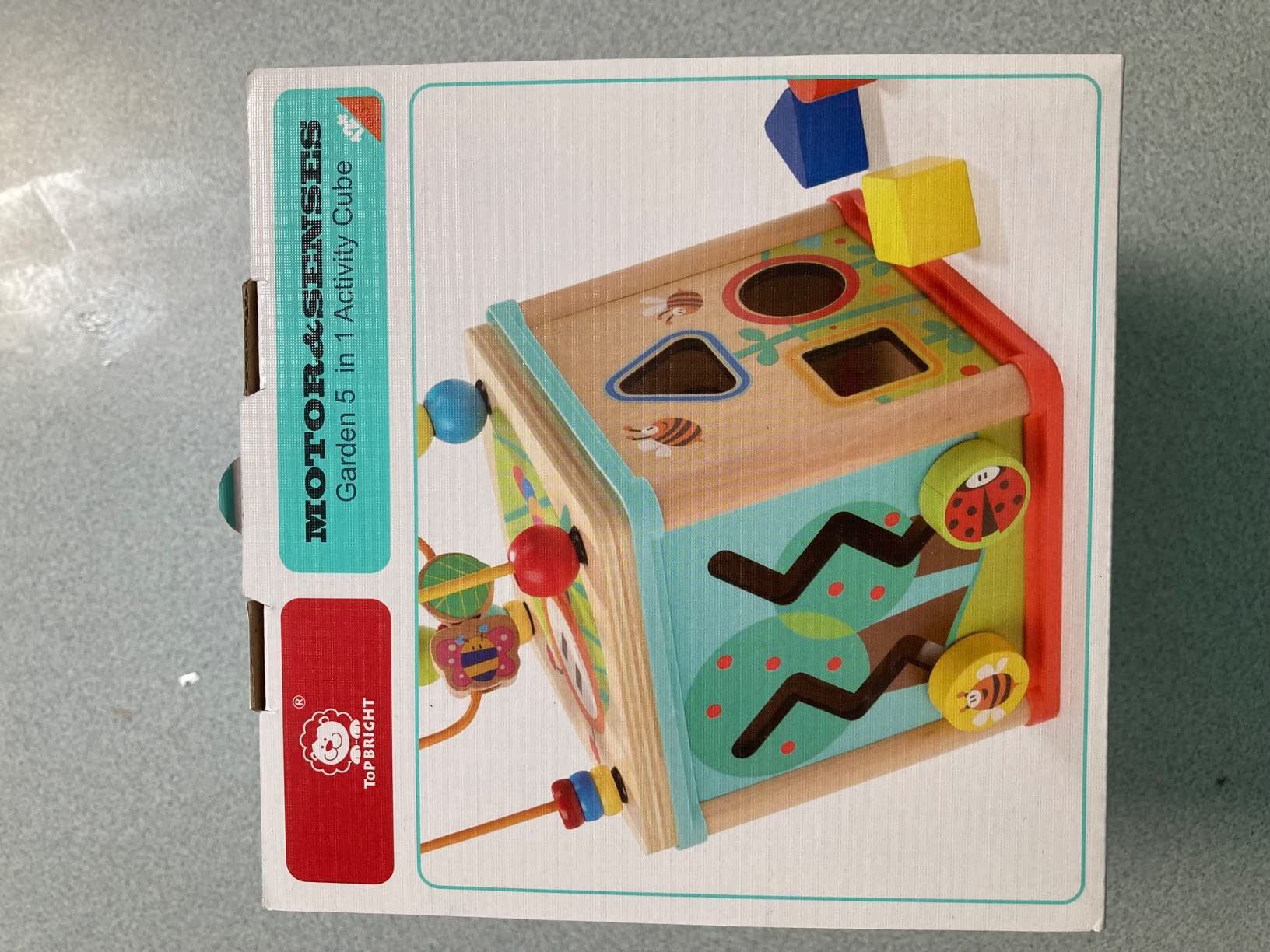
- Bead mazes: These are fantastic for developing fine motor skills and understanding cause and effect. Watching those little beads slide and clack is endlessly fascinating.
- Spinning gears: The satisfaction of making something move and seeing it engage other moving parts is pure joy for a toddler.
- Puzzles with large knobs: Simple shape sorters or knob puzzles are brilliant for developing spatial reasoning and pincer grasp.
- Doors or latches to open and close: This might seem simple, but the act of manipulation and discovery is huge for this age group. It's like unlocking tiny little secrets.
Another crucial factor is size and height. You want a table that’s perfectly proportioned for your one-year-old. They should be able to comfortably stand or sit at it, with their arms reaching the activities without strain. Too tall, and it becomes frustrating; too short, and they might lose interest. Many tables are designed with this in mind, offering a stable base that’s just right for little bodies.
And then there's the aesthetic. In today's world, we appreciate pieces that blend seamlessly with our decor. Wooden activity tables, with their natural grains and warm tones, often achieve this beautifully. They can add a touch of natural charm to a playroom or even a corner of your living space. Think of it as a piece of art that also happens to be a learning tool. It’s a win-win situation. You get a stylish addition, and your child gets a world of discovery.
Beyond the Basics: Encouraging Deeper Engagement
Once you’ve got your beautiful wooden activity table, the fun truly begins. It’s not just about letting your little one loose; it’s about actively participating and encouraging their exploration. Think of yourself as a guide, not a director. Your role is to observe, offer gentle prompts, and celebrate their discoveries.

For instance, when they’re playing with a bead maze, you can narrate their actions. “Look! The blue bead is going round and round!” or “Wow, you moved the red bead all by yourself!” This kind of language helps them connect their actions with words and builds their vocabulary. It’s like reading them a story, but the story is being written by their own hands.
You can also introduce simple themes. If the table has a farm animal figurine attached, you can talk about the animals. “This is a cow. What sound does a cow make?” This adds another layer of learning and engagement. It’s amazing how a few well-placed words can transform a simple activity into a rich learning experience.
Don’t be afraid to adapt and evolve. As your child grows and their interests change, so too can the activities at their table. You might add a few large building blocks to stack, or some chunky crayons (supervised, of course!) to explore on a blank sheet of paper placed on the table’s surface. The table becomes a versatile hub for their ever-expanding world of play.
Cultural Touches and Fun Facts
It's fascinating to consider how different cultures approach early childhood play. In many Scandinavian countries, for example, there's a strong emphasis on natural materials and connection to nature. Wooden toys are incredibly popular, and you’ll often see children engaging with simple, well-made pieces that encourage imaginative play. A wooden activity table fits perfectly into this ethos, promoting a more grounded, less screen-dependent approach to childhood development.

Did you know that the concept of learning through play is not new? Philosophers and educators have recognized its importance for centuries. Jean-Jacques Rousseau, an 18th-century philosopher, famously advocated for an education that was based on a child's natural inclinations and experiences. A wooden activity table is a modern interpretation of these timeless principles, providing a tangible and enriching way for your child to learn about the world around them.
And here's a fun little tidbit: The wood itself has benefits! Studies have shown that playing with natural materials can have a calming effect on children, reducing stress and promoting a sense of well-being. The natural scent of wood, the smooth texture, it all contributes to a more sensory-rich and grounding experience, a welcome contrast to the often overstimulating digital world.
The Joy of Simple, Meaningful Play
In a world that often feels rushed and demanding, there’s a profound beauty in embracing a more deliberate and grounded approach to parenting. A wooden activity table is more than just a piece of furniture; it’s a gateway to a world of hands-on discovery, a space where imagination can flourish, and where a one-year-old can begin to understand the mechanics of their world.
It's about the quiet satisfaction of a perfectly placed bead, the triumphant grin when a gear finally spins, the gentle exploration of textures and shapes. These are the small, yet significant, moments that build a foundation for a lifetime of learning and curiosity. It’s about fostering a love for exploration that doesn’t rely on batteries or screens, but on the innate wonder of a child.
As your little one grows, they’ll likely move on to different toys and activities. But the memories created at their wooden activity table – the hours spent engrossed in play, the small victories celebrated, the quiet moments of focus – will be a cherished part of their early childhood. It’s a testament to the power of simplicity, the enduring appeal of natural materials, and the incredible capacity of a young mind to learn and grow, one little wooden knob at a time.
A Reflection on Our Own Playgrounds
Thinking about the wooden activity table for my little one always makes me reflect on my own early experiences. What did I play with? What sparked my curiosity? Often, it was the simplest things – a box, a stick, a patch of dirt. There’s a beautiful simplicity in those memories, a sense of unadulterated joy in exploration. It makes me realize that perhaps we, as adults, could benefit from embracing a little more of that simple, hands-on engagement in our own lives.
In our busy adult lives, we might not have a dedicated activity table, but we all have our own metaphorical versions of them. For some, it might be a garden plot where they can get their hands dirty and watch things grow. For others, it might be a woodworking shop, a kitchen where they experiment with new recipes, or even a quiet corner with a sketchpad. These are our spaces for focused, tactile engagement, where we can disconnect from the digital noise and reconnect with our own innate creativity and problem-solving skills.
The lesson from a one-year-old’s activity table is this: prioritize play and exploration, no matter your age. Find those moments to engage with the world in a tangible, hands-on way. Celebrate the small victories, learn from the inevitable fumbles, and allow yourself to be fully present in the process. Just like that little wooden table provides a safe and stimulating environment for a child’s development, so too can we create our own personal “activity tables” that nurture our own growth, creativity, and well-being. It’s a reminder that the joy of learning and discovery is a lifelong journey, and sometimes, the most profound lessons come from the simplest, most tactile of experiences.