
Will Out Of Date Pregnancy Test Work

So, you’ve got a hunch, a feeling, maybe a missed period that’s got you doing a little happy dance (or a nervous jig). You rummage through the bathroom cabinet, a familiar treasure trove of forgotten bandaids, half-used toothpaste, and… ah ha! A pregnancy test. But wait a sec. The box looks a little faded. The expiration date is peeking out from under a layer of dust. Uh oh. Is that old pregnancy test still going to tell you if there’s a tiny human on the way? Let’s dive in, shall we? No need for a science degree here, just a friendly chat over a virtual cup of tea.
Think about it like this: You’re trying to bake a cake, and you find a packet of baking powder that’s been sitting in your pantry since the last time you felt ambitious about baking. You check the date, and it’s a few months past. Would you still trust it to make your cake rise perfectly? Probably not, right? You’d worry it might be a little… flat. Pregnancy tests are kind of similar. They rely on tiny, delicate chemical reactions to do their job.
The magic behind those lines (or lack thereof) lies in specific antibodies that are designed to detect a hormone called human chorionic gonadotropin, or hCG for short. This is the hormone your body starts producing after a fertilized egg implants itself. It’s like the body’s way of sending out a little “hello, I’m here!” signal. The pregnancy test has these super-sensitive antibodies ready to grab onto any hCG floating around in your urine.
But, like that baking powder, these antibodies can lose their oomph over time. They’re not immortal! Exposure to heat, humidity, or just the sheer passage of time can break them down. Imagine them as tiny little detectives who, over years, might get a bit tired and less sharp at spotting their target. They might not be as good at picking up even small amounts of hCG, which is exactly what you need when you’re trying to catch those early pregnancy signals.
So, What's the Big Deal with Expiration Dates?
The expiration date on a pregnancy test isn’t just a suggestion, like “don’t leave ice cream out too long or it gets weird.” It’s a pretty important indicator of when the test is most likely to be accurate. Manufacturers put that date there because they’ve tested their product extensively and determined that, up until that point, it should perform reliably. After that date, well, they can’t really guarantee its performance anymore.
It’s a bit like when you buy a carton of milk. It has a “sell by” date. You might be able to drink it a day or two past that, and it could be perfectly fine. But there’s always that nagging little doubt, isn’t there? You’re taking a chance. And with pregnancy tests, the stakes are a little higher than a slightly off-tasting latte.
False Negatives: The Ghost of Pregnancies Past (or Present!)
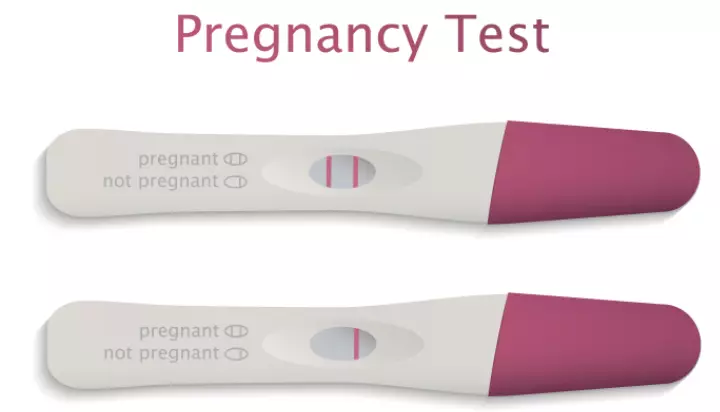
The most common issue with using an expired pregnancy test is getting a false negative. This is when the test says you’re not pregnant, but you actually are. Imagine you’ve been trying to conceive, you’re a week late, you’ve got all the early pregnancy symptoms doing a little jig in your tummy, and you use that old test. It comes back negative. You breathe a sigh of relief, maybe a little disappointed. But what if it was a dud? What if the antibodies were too tired to detect that precious little bit of hCG?
This can lead to a lot of confusion and unnecessary worry. You might put off contacting your doctor, you might not start taking prenatal vitamins (which are a really good idea if you might be pregnant!), or you might just feel a bit lost. It’s like missing a crucial turn on a map because the compass needle is spinning erratically. You’re trying to get somewhere, but the tool you’re relying on is letting you down.
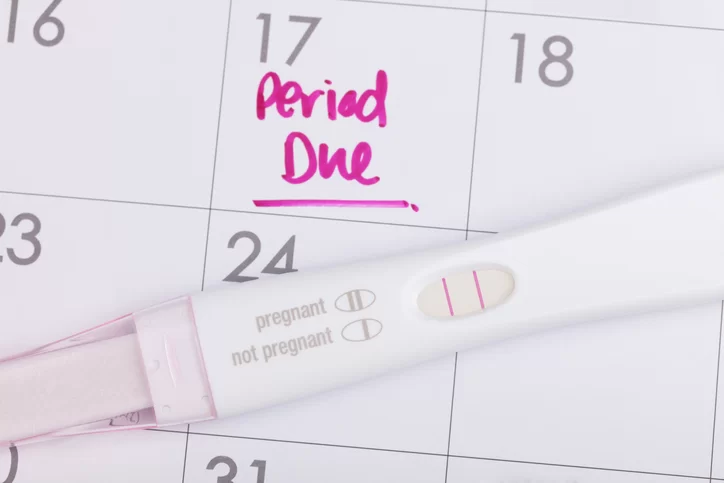
Think about Sarah. She’d been trying for her second child for months. Finally, she felt it – that familiar tenderness in her breasts, the slight nausea. She dug out a test from the back of the cupboard, the box looking a little worse for wear. It showed a stark white, “not pregnant” line. She felt a pang of disappointment but decided to wait a few more days. When her period still didn’t arrive, she bought a fresh test. This time, two bold lines appeared. She was pregnant! That expired test had given her a false sense of security and a few extra days of anxious waiting.
Can Expired Tests Ever Work?
Okay, so we’ve established they can be unreliable. But is it a black and white situation? Not entirely. Sometimes, a very slightly expired test, stored in ideal conditions (cool, dry, away from direct sunlight), might still give you an accurate result. It’s like finding that packet of baking powder that’s only a week past its date – there’s a decent chance it’ll still work. But it’s still a gamble.
The problem is, you have no way of knowing if that specific test is one of the lucky ones or not. The antibodies could have degraded more than you think. And honestly, the risk of a false negative just isn’t worth the stress. Why add another layer of uncertainty to an already emotionally charged situation?
False Positives: The Rare (but Still Annoying) Cousin
While false negatives are more common with expired tests, it’s also theoretically possible, though much rarer, to get a false positive. This is when the test says you’re pregnant, but you’re not. It’s like your smoke alarm going off when you’re just making toast. It creates a lot of alarm and excitement, only to realize there’s no actual fire.
This could happen if the chemicals in the test have degraded in such a way that they mimic the presence of hCG, or if something else in the urine interacts with the old chemicals to create a faint line. Again, it’s about the test’s ability to accurately distinguish what it’s supposed to detect. If the sensitive equipment (those antibodies) is a bit clunky from age, it might misinterpret things.
Why Should You Care About This Little Detail?
Because this is about your health and your peace of mind. When you’re trying to find out if you’re pregnant, you want the clearest, most reliable information possible. You’re making decisions based on that result: whether to start making those important lifestyle changes, when to book that doctor’s appointment, or how to share the news with your loved ones. You don’t want those decisions clouded by doubt about the accuracy of your test.
It’s like buying a map for a road trip. You wouldn’t grab a faded, ripped map from the glove compartment that’s been there for years, would you? You’d get a fresh, up-to-date one so you know you’re heading in the right direction. Pregnancy tests are your personal roadmap at a very significant moment.
The Cost of Peace of Mind
Honestly, pregnancy tests are not that expensive. You can often find them on sale at your local pharmacy or supermarket. The cost of a new, in-date test is a small price to pay for the certainty and confidence it can provide. Think of it as an investment in clarity.
If you’re feeling a bit stressed about the cost, remember that many health organizations and clinics offer free pregnancy tests if you’re concerned. So, there are always options to ensure you’re using a reliable tool.
So, the next time you find yourself digging through that medicine cabinet with hopeful (or nervous!) anticipation, take a good, hard look at that pregnancy test. If the date is looking a bit sketchy, or the box is suspiciously fragile, it’s probably best to err on the side of caution. Head to the store and grab a fresh one. Your body, your emotions, and your future little one will thank you for it. After all, when it comes to big news like this, you want to be sure you’re getting the real story, not a faded rerun.