
Why One Way Flight Is More Expensive
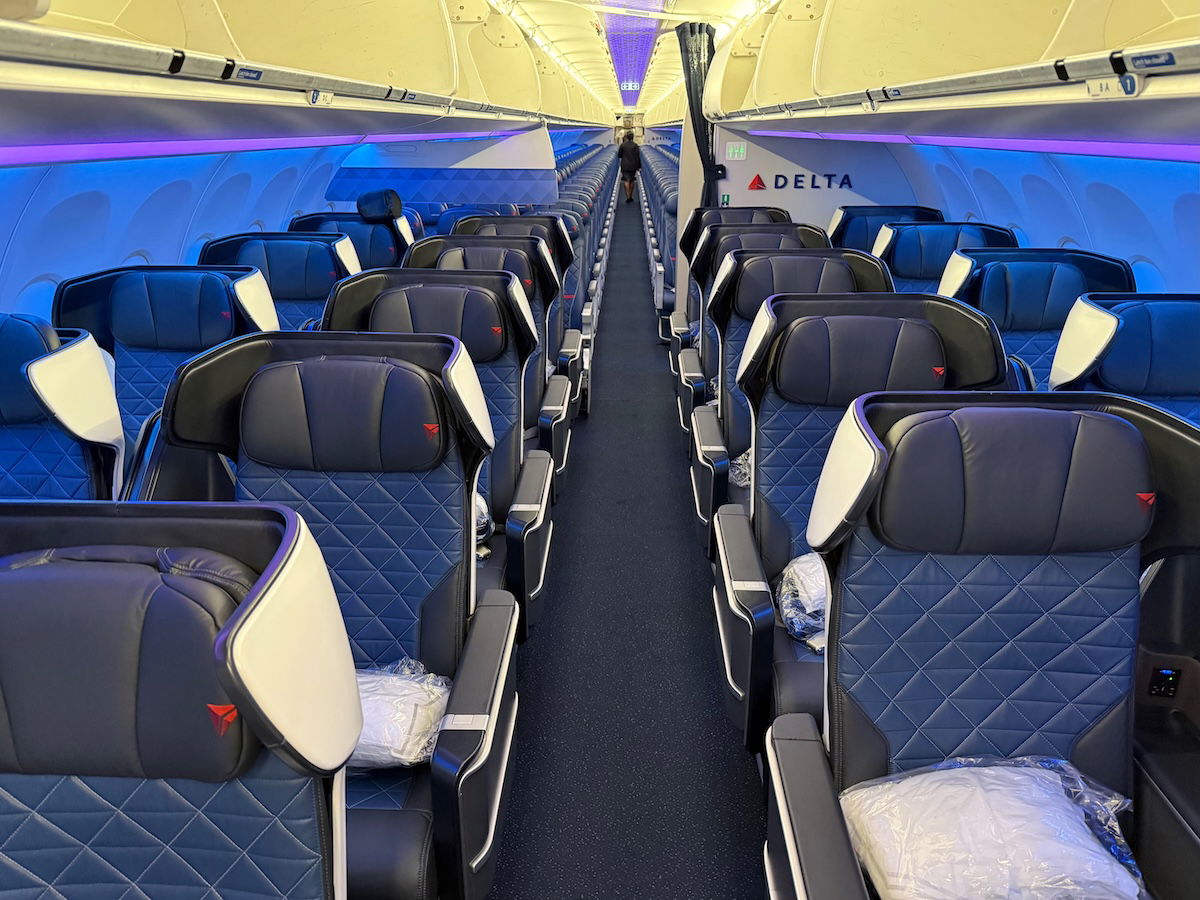
Ever felt that little pang of dread when booking a flight, only to see the price for a one-way ticket looking like it’s carrying a secret stash of gold bars? Meanwhile, the round-trip option seems to be on a diet, shedding pounds off its price tag. It’s a travel mystery that has baffled wanderlusters and budget-conscious adventurers for ages. Why, oh why, is flying solo for a journey so much pricier than a love story of departure and return?
Imagine this: you’re planning a fantastic trip to visit your incredibly cool Aunt Mildred in, say, Timbuktu. You decide you want to stay for as long as your heart (and Mildred's pantry) desires. You hop online, ready to book, and BAM! A one-way ticket to Timbuktu costs more than a small private jet. You then, in a moment of sheer panic and maybe a little bit of bargaining with the travel gods, decide to look at round-trip flights. Suddenly, the price plummets like a deflated bouncy castle. It’s so much cheaper, you start wondering if the airline secretly wants you to stay in Timbuktu forever. They’re practically paying you to come back!
The Airline Game: It’s Not About You, It’s About The System!
So, what’s the grand conspiracy behind this baffling pricing? Well, it’s not exactly a shadowy cabal plotting to keep you grounded. It’s more about how airlines operate, and let's just say they're masters of the mathematical maze. Think of it like this: airlines are businesses, and their primary goal is to fill as many seats as possible on every single flight. They want your bum, your Aunt Mildred-visiting bum, on that seat!
The "Round Trip Incentive"
One of the biggest reasons for this price quirk is the concept of the "round trip incentive." Airlines LOVE round trips. Why? Because a round trip booking is a commitment. You're not just dipping your toes into the travel waters; you're diving headfirst! When you book a round trip, the airline knows they have you for the entire journey. This means they can be a bit more flexible with their pricing, offering you a sweet deal to secure both legs of your adventure. It's like getting a buy-one-get-one-free offer, but instead of two lattes, it's two flights!One-Way Wanderers: The Wild Cards
Now, a one-way ticket? That's like a traveler with no fixed address. The airline has no guarantee you'll ever fly back with them. You could be a rogue agent of wanderlust, deciding to hop on a cargo ship to the next continent or, heaven forbid, purchase a ticket with a competitor for your return journey. Because of this uncertainty, airlines often price one-way tickets higher to compensate for the risk and to ensure they still make a decent profit, even if they only get to transport you one way.
The Art of "Dumping"
Another sneaky tactic the airlines employ is something called "fare dumping." This sounds a bit scandalous, doesn't it? But in the airline world, it just means they're trying to get rid of unsold seats. Sometimes, a round-trip ticket might be cheaper because the airline is practically giving away the second leg of the journey to fill those empty seats on the return flight. It’s like a desperate plea for bums on seats, and you, the savvy traveler, can often capitalize on this!"The Illusion of Savings"
It’s also a bit of an "illusion of savings." Airlines know that many people need to travel both ways. So, they structure their pricing to make the round-trip option look incredibly attractive. They'll hike up the one-way price, making the round-trip suddenly seem like the deal of a lifetime, even if the actual cost of flying both ways individually might not be that much higher if booked strategically. They're basically playing a game of emotional pricing, and we, in our desire for a bargain, often fall for it hook, line, and sinker.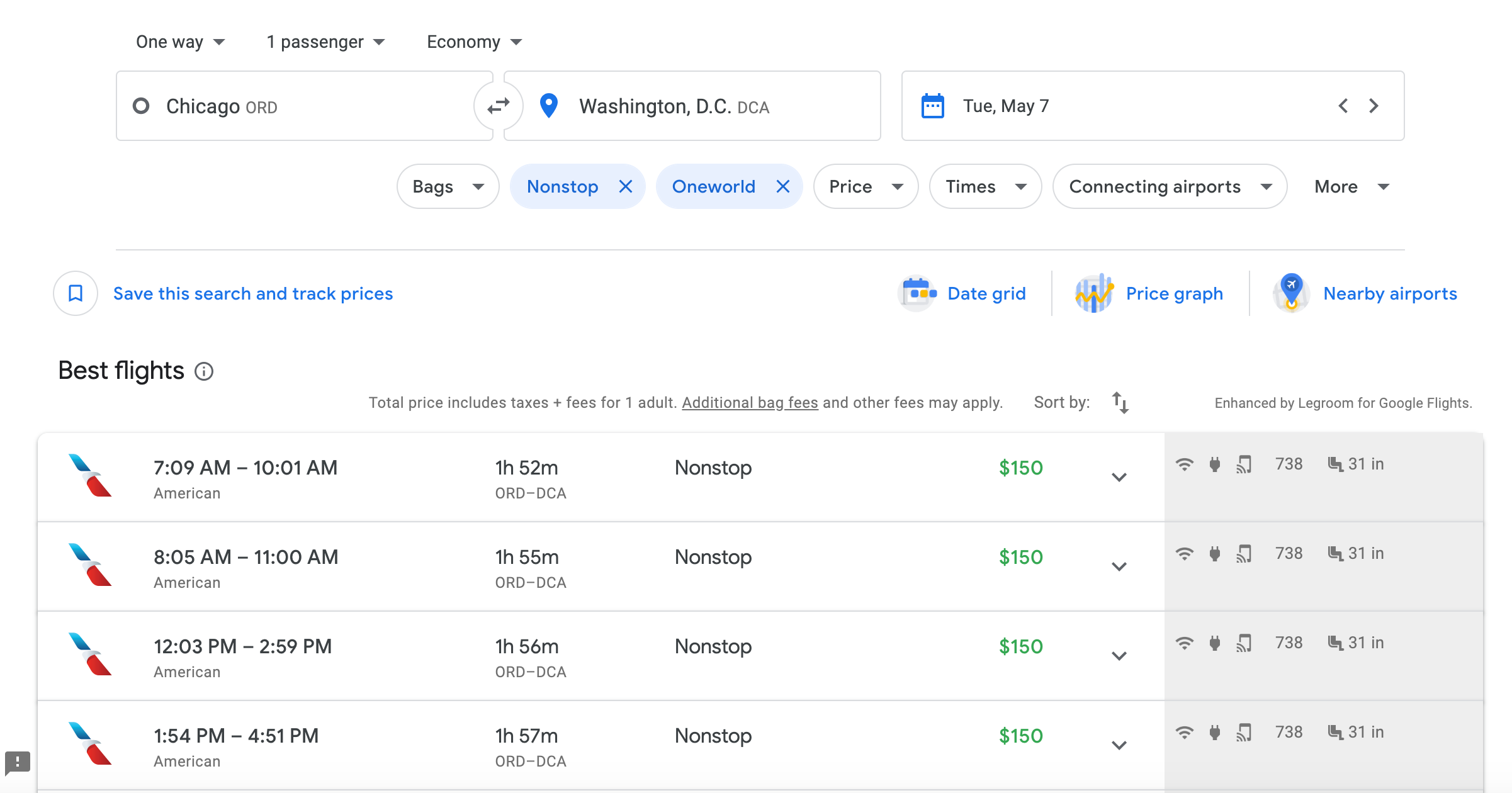
Let’s Talk About Cargo!
Believe it or not, airlines also consider their cargo operations. When they fly planes, they want them as full as possible, not just with passengers but also with goods. A full passenger plane often means less space for lucrative cargo. By offering cheaper round-trip fares, they encourage more passengers, which in turn can limit the space available for cargo. This is a complex balancing act, and pricing structures are designed to optimize their overall revenue, not just passenger ticket sales.The Sophistication of Yield Management
Airlines employ sophisticated "yield management" systems, which are basically complex algorithms that dynamically adjust prices based on demand, time of booking, day of the week, and a myriad of other factors. These systems are designed to maximize revenue for every single flight. For them, a one-way ticket represents a less predictable revenue stream compared to a fully booked round trip. So, they price it accordingly to ensure they’re not losing out on potential earnings.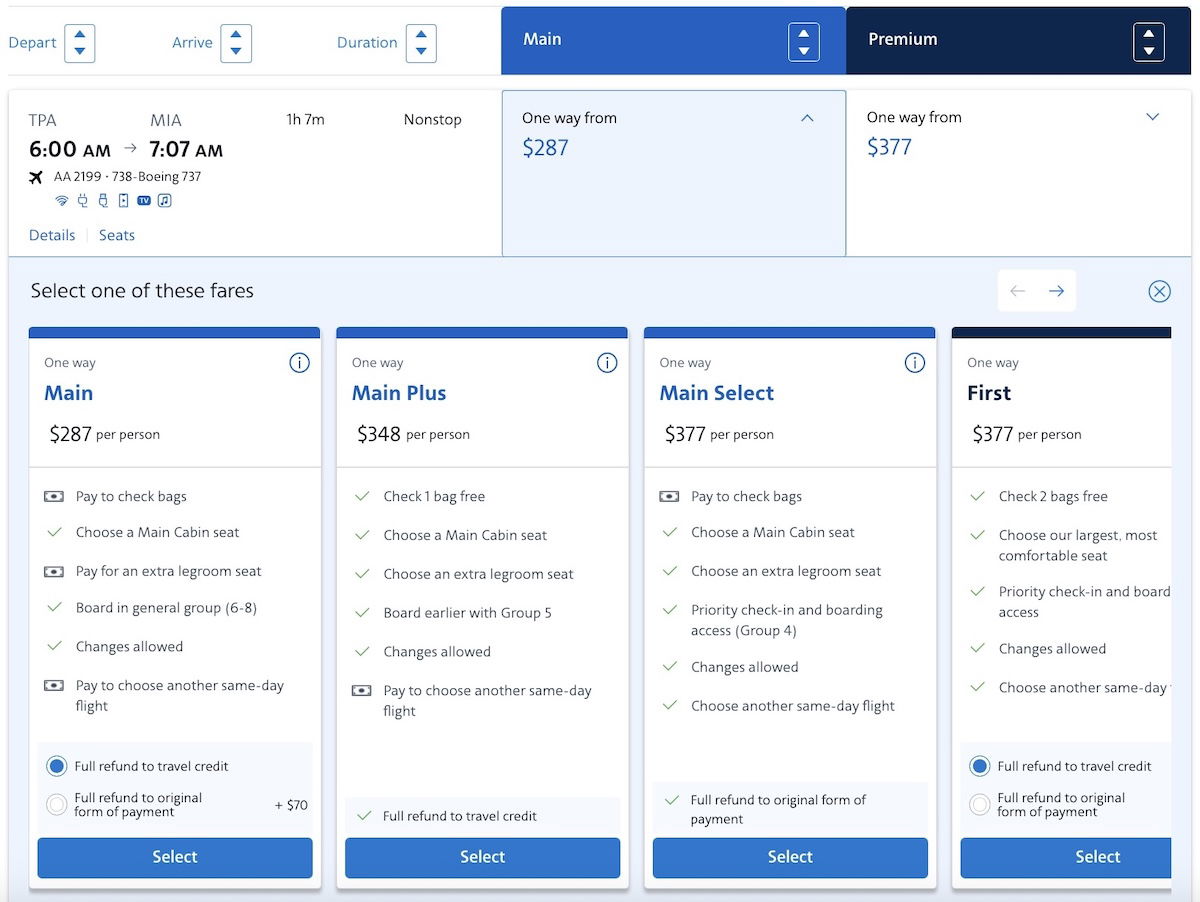
So, What’s a Traveler To Do?
Don't despair, fellow globetrotters! While one-way tickets can be pricier, there are often workarounds. Sometimes, booking two separate one-way tickets with different airlines can actually be cheaper than a single round-trip on one airline. It requires a bit more digging and comparison, like being a detective for your travel plans. Also, be flexible with your dates and times if possible. Flying mid-week or during off-peak hours can often lead to significant savings, even on those dreaded one-way flights.The Magic of the "Hidden City" Trick (Use with Caution!)
For the truly adventurous and sometimes daring traveler, there's the infamous "hidden city" ticket strategy. This involves booking a flight with a layover at your desired destination and simply not taking the connecting flight. For example, if you want to fly to Chicago but a direct flight is exorbitant, you might book a flight to New York with a layover in Chicago. You then hop off in Chicago and ditch the rest of the journey. However, this comes with a massive caveat: airlines HATE this! If they catch you doing it, they can cancel your return ticket, ban you from flying with them, or even issue fines. So, it’s a high-stakes gamble that’s best left to the brave and the well-informed!Ultimately, the pricing of one-way versus round-trip flights is a complex dance of airline economics and consumer behavior. It’s designed to encourage commitment, fill seats, and maximize revenue. So, the next time you see that one-way ticket price making your eyes water, remember it’s not a personal attack. It’s just the airline doing its thing, and you, my friend, are part of the grand, sometimes baffling, but always fascinating world of travel!