
Why Is There White Spots On My Teeth

I remember the first time I noticed them. It was during a particularly intense coffee-fueled morning, staring into the bathroom mirror and contemplating the universe (or, more likely, the dwindling supply of biscuits). There they were, these tiny, stark white dots scattered across my otherwise normal-looking teeth. My immediate thought? "Did I accidentally spill correction fluid on my smile?" A brief panic ensued. Were these some kind of terrifying dental disease? Was I about to sprout a whole new set of pearly-white… something? I spent the next ten minutes poking at them with my finger, convinced they were some kind of parasitic alien invasion on my enamel. Oh, the drama!
If you, like me, have ever found yourself in a similar mirror-induced existential crisis, then welcome to the club! Those little white spots, often subtle but oh-so-noticeable to our own scrutinizing eyes, are a surprisingly common phenomenon. And while my initial reaction was pure Hollywood disaster movie, the reality is usually much less… alien-opod.
So, What's the Deal with These Dingy Dots?
Let's dive into the nitty-gritty, shall we? These aren't just random paint splatters from the Tooth Fairy's workshop. They actually have a name, though it's a bit of a mouthful: Dental Fluorosis. Don't worry, it doesn't sound as scary as it looks. Think of it as a little "over-enthusiasm" from fluoride during the tooth development stage.
You see, teeth are amazing. They’re constantly being built and repaired, especially when they’re still forming under the gums. Fluoride is our superhero when it comes to strengthening enamel and fighting off cavities. It’s like a tiny shield for your teeth. We get it from toothpaste, mouthwash, and even our tap water in some places. It's generally a good thing. Most of the time.
The problem arises when the developing teeth are exposed to too much fluoride during that critical formative period. This usually happens before the teeth even erupt into your mouth, often between the ages of 6 months and 8 years. It's like trying to build a house with too much of one ingredient – the whole structure can be affected. In the case of teeth, this excessive fluoride can interfere with the proper mineralization of the enamel, leading to those chalky white spots or, in more severe cases, faint brown lines or even pitting.
Mild Fluorosis: The Most Common Culprit
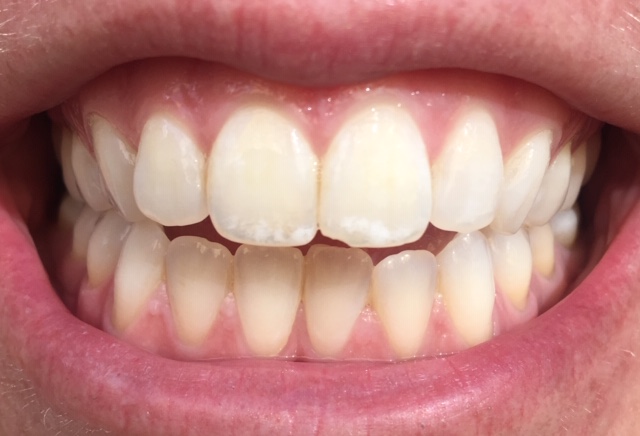
For most of us, the white spots we notice are likely a result of mild fluorosis. And honestly, you’d probably have to be doing a forensic examination of your smile to even spot them. These are typically small, barely perceptible white flecks or streaks. They're like tiny whispers of "too much fluoride" rather than a shout.
Think of it this way: imagine you're baking cookies. You add a pinch of salt – delicious! You add a tablespoon of salt – still good, maybe a bit savory. You add a whole cup of salt – well, those cookies are going to be… an acquired taste. Fluoride is similar. A little bit is fantastic, but in rare circumstances, a bit too much can alter the way the enamel looks as it's forming.
The good news? Mild fluorosis is purely a cosmetic concern. It doesn't weaken your teeth, it doesn't cause pain, and it certainly won't affect your ability to enjoy a perfectly good biscuit (or cookie). It’s just a visual variation. So, if your spots are faint and scattered, you can probably breathe a sigh of relief. You're not harboring a dental monster; you just have a unique smile!

Other Reasons for Those White Spots
Now, before you start stockpiling fluoride-free water, it's important to know that fluorosis isn't the only reason you might see white spots on your teeth. Life, and our teeth, are rarely that simple, are they? Let's explore some other possibilities:
Demineralization: The Early Warning System
This is another super common cause, and one that you can do something about. Demineralization is essentially the beginning stages of tooth decay. Sounds scary, right? But hear me out. Your tooth enamel is constantly undergoing a process of demineralization (losing minerals) and remineralization (gaining minerals). It's a natural give-and-take.
When the acid produced by bacteria in your mouth (thanks, sugar!) starts to break down the enamel faster than your saliva can repair it, you get demineralization. This makes the enamel porous and less dense, and that's when those white spots appear. They are often the very first sign of a cavity forming. They look a bit like chalky, opaque patches, and they might feel slightly rough to your tongue.
The good news here is huge: If you catch demineralization early enough, you can actually reverse it! This is where excellent oral hygiene and potentially a fluoride toothpaste (yes, the irony!) come in. By brushing regularly, flossing diligently, and limiting sugary snacks and drinks, you can give your enamel the chance to rebuild itself. Your dentist might also recommend a fluoride rinse or a high-fluoride toothpaste to give your teeth an extra boost.
So, if you see these chalky spots, don't despair. See it as a helpful heads-up from your teeth. A "Hey, buddy, we need to step up our game!" kind of message.

Trauma and Injury: Ouch!
Sometimes, a white spot isn't about what's happening microscopically, but rather a physical disruption. If you’ve had a knock to the mouth, even a seemingly minor one, it can sometimes affect the developing tooth or even the surface of an erupted tooth.
For children, this could be from a fall while playing. For adults, it might be a sports injury or an accidental bump. This type of trauma can disrupt the normal development of enamel, leading to white spots or discolouration. In some cases, it might also indicate a crack or a more significant issue, so it’s always worth getting checked out by your dentist if you suspect a recent injury.
Stains and Surface Issues: The Misunderstood Spots
This is where things can get a little confusing. Sometimes, what looks like a white spot is actually just a discoloration or a stain. Certain foods, drinks (hello, red wine and coffee!), and even some medications can affect the colour of your teeth over time.
However, the white spots we’re talking about are typically part of the enamel itself, rather than something sitting on it. But if you have a particularly porous tooth surface, it might be more susceptible to staining that can create a contrast with the surrounding enamel, sometimes making it appear lighter in patches.
Also, sometimes after a dental cleaning, especially if there was some plaque removal, a temporary white patch might appear. This is because the plaque itself can cause staining, and when it's removed, the underlying tooth might look lighter for a short period. It usually resolves on its own. Phew!
What Can You Do About Those White Spots?
Okay, so we've covered the "why." Now, let's talk about the "what now?" Depending on the cause of your white spots, there are a few different approaches you can take.
For Demineralization (The Reversible Kind):
This is your golden opportunity for a dental glow-up! As mentioned, good old-fashioned excellent oral hygiene is your best friend. This means:
- Brushing twice a day with a fluoride toothpaste for two minutes each time. Don’t forget to get all surfaces!
- Flossing daily to remove plaque and food particles from between your teeth. Those little white spots might be hiding in there!
- Limiting sugary and acidic foods and drinks. Seriously, those sodas and candies are not doing your enamel any favours.
- Visiting your dentist regularly for check-ups and professional cleanings. They can spot potential problems early and give you tailored advice.
Your dentist might also suggest dental sealants in some cases, which are protective plastic coatings applied to the chewing surfaces of back teeth to prevent decay. They act as a barrier, keeping out plaque and food particles.
For Fluorosis (The Cosmetic Kind):
If your white spots are due to mild fluorosis, and they’re not bothering you, then honestly, you don't need to do anything. Embrace your unique smile! There’s a certain charm to knowing your teeth have a little story to tell.
However, if they do bother you cosmetically, there are treatments available. These usually focus on masking or improving the appearance of the spots:
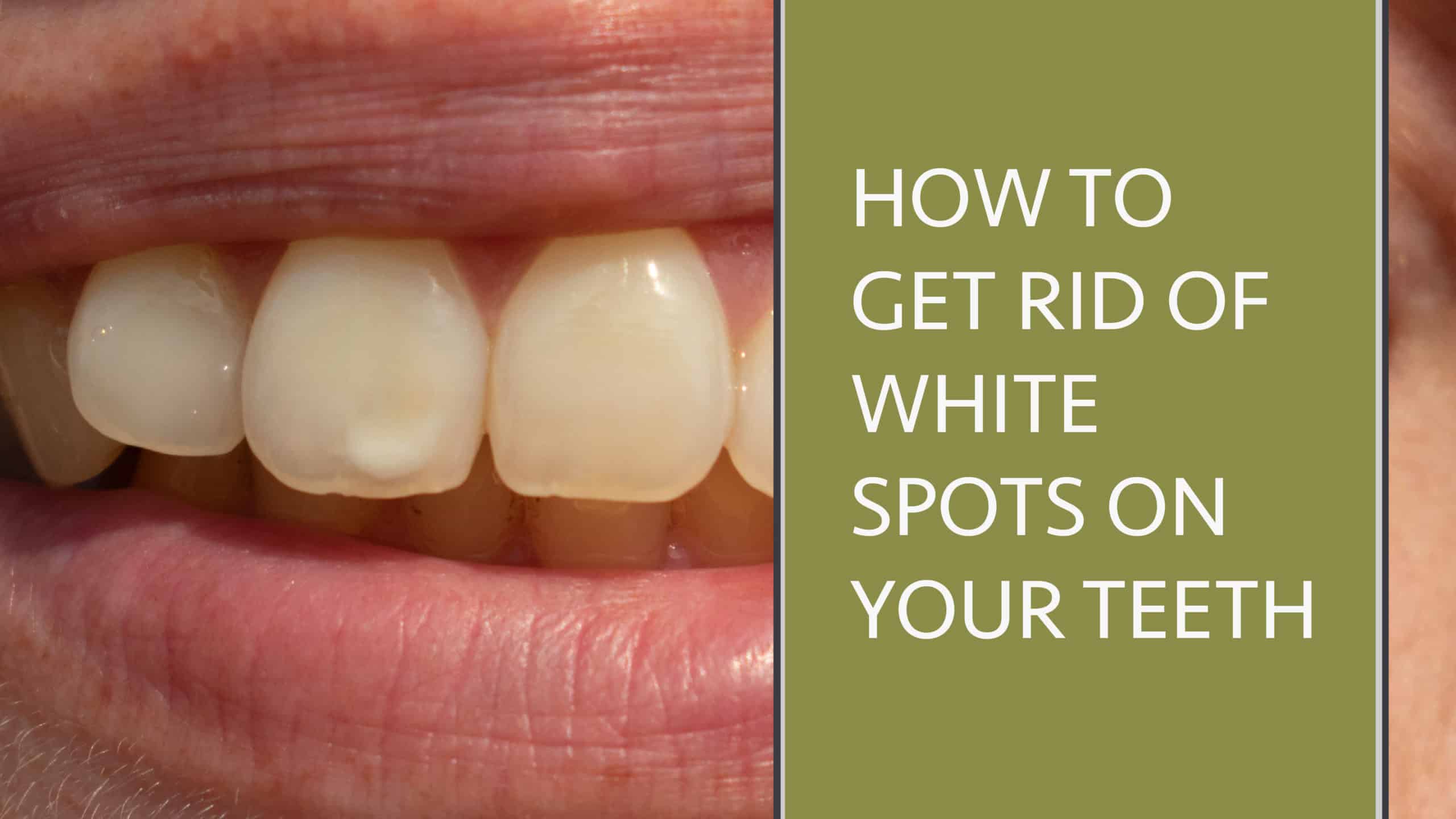
- Teeth Whitening: This might seem counterintuitive, but sometimes, whitening the rest of your teeth can make the white spots less noticeable by bringing the surrounding enamel closer to their shade. It won’t change the spots themselves, but it can even out the overall appearance.
- Microabrasion: This is a conservative procedure where a thin layer of enamel is carefully removed to smooth out the surface and reduce the appearance of the spots. It's often combined with teeth whitening for optimal results.
- Composite Resin Bonding: This involves applying a tooth-coloured resin material to the surface of the teeth to cover the white spots. It’s a bit like a dental veneer, but usually less involved.
- Veneers: For more significant or stubborn white spots, porcelain veneers can be an option. These are thin shells of porcelain that are bonded to the front of your teeth, completely covering the underlying surface. This is a more extensive and costly treatment.
It’s important to discuss these options with your dentist to see what's most suitable for your specific situation and what you're comfortable with. They'll be able to guide you through the pros and cons of each.
When to See a Dentist
Honestly, it's always a good idea to get any new or concerning changes in your teeth checked out by a professional. While those little white spots might seem minor, they could be an early indicator of something that needs attention.
Here are some signs that you should definitely make an appointment:
- The white spots are new and you don't know why they appeared.
- They are rough to the touch or feel uneven.
- They are accompanied by pain or sensitivity.
- They are getting larger or changing colour significantly.
- You suspect you might have experienced trauma to your mouth recently.
- You're simply worried about them! That's totally valid.
Your dentist has the tools and expertise to accurately diagnose the cause of the white spots and recommend the best course of action, whether it’s a simple change in your brushing habits or a more involved cosmetic treatment. They’re not there to judge your biscuit consumption, but to help you maintain a healthy and happy smile!
The Takeaway: Don't Panic!
So, there you have it. Those little white spots on your teeth are usually nothing to lose sleep over. For many, they are a sign of mild fluorosis, a harmless cosmetic variation. For others, they might be an early warning of demineralization, which is an opportunity to boost your oral hygiene and keep your teeth strong.
My initial panic over my own little dots feels a bit silly now. They're still there, a testament to a childhood spent with fluoridated water and a general enthusiasm for brushing (or lack thereof, depending on the day!). And you know what? They’re part of my smile. They’re part of me. And that’s perfectly okay. So, next time you catch yourself in the mirror giving your teeth the third degree, remember: a little white spot is rarely the end of the world. It's usually just a tiny detail in the grand tapestry of your beautiful, unique smile.