
Why Is One Way Ticket More Expensive
Ever noticed something a little… weird? You want to go somewhere. Just one way. Easy peasy, right? Nope. Suddenly, your wallet starts weeping. Why on earth is a one-way ticket often more expensive than a round trip?
It’s a mystery that plagues travelers. A riddle wrapped in an enigma, sprinkled with a dash of airline absurdity. You just want to get from Point A to Point B. No need to come back. Yet, the universe conspires to charge you more for this simplicity.
It feels like a cosmic joke, doesn’t it? Like the universe is saying, "Oh, you don't need to return? How foolish of you! Here, have a higher price for your audacity." We just want to embark on our grand adventures. Or perhaps just move to a new city. Or escape a terrible date. The reasons are many.
But the price tag? It’s a cruel, cruel twist. It’s like ordering just one scoop of ice cream and being charged double the price of the whole pint. Makes no sense. Absolutely zero logical sense.
The Airline Conspiracy, Unveiled (Sort Of)
Let’s talk about the airlines. They’re the puppet masters of this whole travel game. And they have their reasons. Or at least, what they tell us are their reasons. We’re going to peek behind the curtain. With a wink and a smile, of course.
Think of it like this: airlines love predictability. They want to know you're coming back. They want to secure that sweet, sweet revenue from both legs of your journey. A round trip is a promise. A one-way ticket is a… maybe. And airlines don't like maybes when it comes to money.
So, they’ve designed their pricing to encourage you to book that return trip. It's like a subtle nudge. A not-so-subtle, very expensive nudge. They're basically saying, "Come on, it's just a little bit extra to come home! Don't leave us hanging!"
The computer algorithms are the real culprits here. They’re the brains behind this operation. They’ve been programmed with one mission: maximize profit. And apparently, making you buy a two-part ticket is the best way to do that. Even if you only need one part.
The "Return Ticket" Incentive
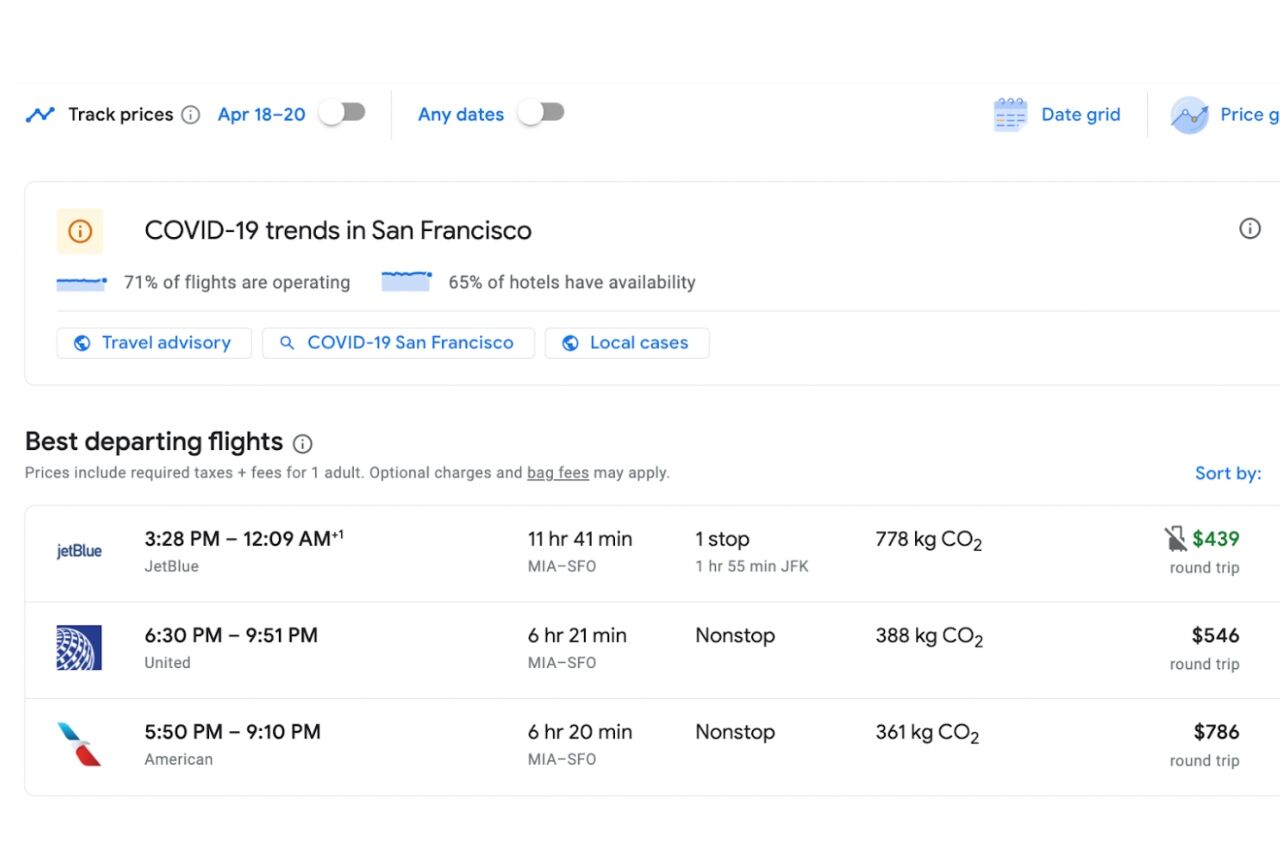
A round trip ticket often comes with a discount. It’s like a reward for your commitment. For your loyalty. For promising to grace their airplane seats twice. The airlines see it as a package deal. A bundled offer of travel. And who doesn’t love a good bundle?
When you buy a round trip, you’re essentially locking in your return date and time. This helps airlines with capacity planning. They know how many seats they need to fill on that flight back. This is super important for their business.
But for you, the simple traveler? It just means paying more for less. You’re paying for a service you don’t even intend to use. It’s like buying a two-for-one deal and only needing one. You’re still spending the money, but the value proposition is skewed.
It’s a classic case of dynamic pricing gone wild. The price fluctuates based on demand, time of booking, and, apparently, your perceived desire to return to your origin point. A desire you might not even have!
The "Flexibility" Myth
Some might say, "Oh, but a one-way ticket gives you flexibility!" And yes, in theory, it does. You’re not tied down to a specific return date. But is that flexibility worth the extra cash? For most of us, the answer is a resounding no. Not when the price difference is so jarring.

This flexibility is a double-edged sword. While it allows you to change plans on the fly, airlines view it as a risk. They don't know when or if you'll actually take that flight back. This uncertainty makes it harder for them to manage their inventory.
Imagine a store selling a pair of shoes. If you buy just one shoe, they can’t resell the other one easily. It’s a specialized item. A one-way ticket, in a way, is like that single shoe. Less appealing for resale or easy inventory management.
So, the "flexibility" comes at a premium. You're paying for the option to be spontaneous. Which, if you think about it, is a bit backward. We’re being penalized for not being predictable.
The Niche Market Problem
Airlines operate on volume. They make their money from a huge number of passengers flying at a reasonable price. The one-way traveler is a bit of a niche market. They’re the outliers. The ones who don’t fit neatly into the round-trip box.
Because there are fewer one-way bookings compared to round trips, airlines often don't have as much data or as many established price points for them. This can lead to higher prices to cover their costs and make a profit from this smaller segment of travelers.

It’s like when a restaurant has a special dish. The ingredients are often bought in bulk for the special. If you just order one small portion of an ingredient that’s not part of a regular dish, it can be more expensive because they have to open a new package just for you. A bit of a stretch, but you get the idea.
The economics just don't always line up for airlines to offer super cheap one-way tickets. They need to recoup their expenses, and the more predictable, higher-volume round trips are their bread and butter. They’re not in the business of charity travel.
Our Unpopular Opinion: It Should Be Cheaper!
Here’s where our agreement kicks in. In our humble, yet increasingly loud, opinion, it just should be cheaper. Why should we be penalized for wanting to travel in a straightforward manner? It's baffling!
We believe in the power of the single journey. The solo flight. The unadulterated arrival. We don't need the baggage of a return trip if we don't want it. We want to be free! Free to explore, free to start anew, free to… well, you get it.
It feels like a fundamental misunderstanding of traveler intent. Airlines are trying to fit us all into their neat little boxes. But we are not all neat little boxes. Some of us are free spirits. Some of us are movers and shakers. Some of us just want to get to Tahiti and stay there.
So, next time you’re faced with a ridiculously priced one-way ticket, give a knowing nod. You're not alone in your bewilderment. You're part of a silent majority that questions the logic. And that, my friends, is a small victory in itself.
The Future of One-Way Travel?
Will this ever change? Perhaps. As travel habits evolve, airlines might be forced to adapt. We live in hope. Hope for a future where a one-way ticket is a simple, reasonably priced option. Not a luxurious splurge.
Maybe they'll start offering "destination only" packages. Or perhaps a new airline will disrupt the market with a transparent, single-journey pricing model. We can only dream. And keep booking those round trips, even if we ditch the return leg.
Until then, we'll continue to scratch our heads. And maybe, just maybe, we'll find a clever workaround. Or we'll just pay the extra and tell ourselves it's for the adventure. The expensive adventure of being an independent traveler.
So, there you have it. The mystery of the pricier one-way ticket. It’s a combination of airline strategy, algorithmic wizardry, and a whole lot of “because we said so.” But hey, at least we can all commiserate about it. And maybe, just maybe, share a knowing smile with the person next to you on that flight you didn't technically need to take back.