
Why Is My Wood Burning Stove Smoking
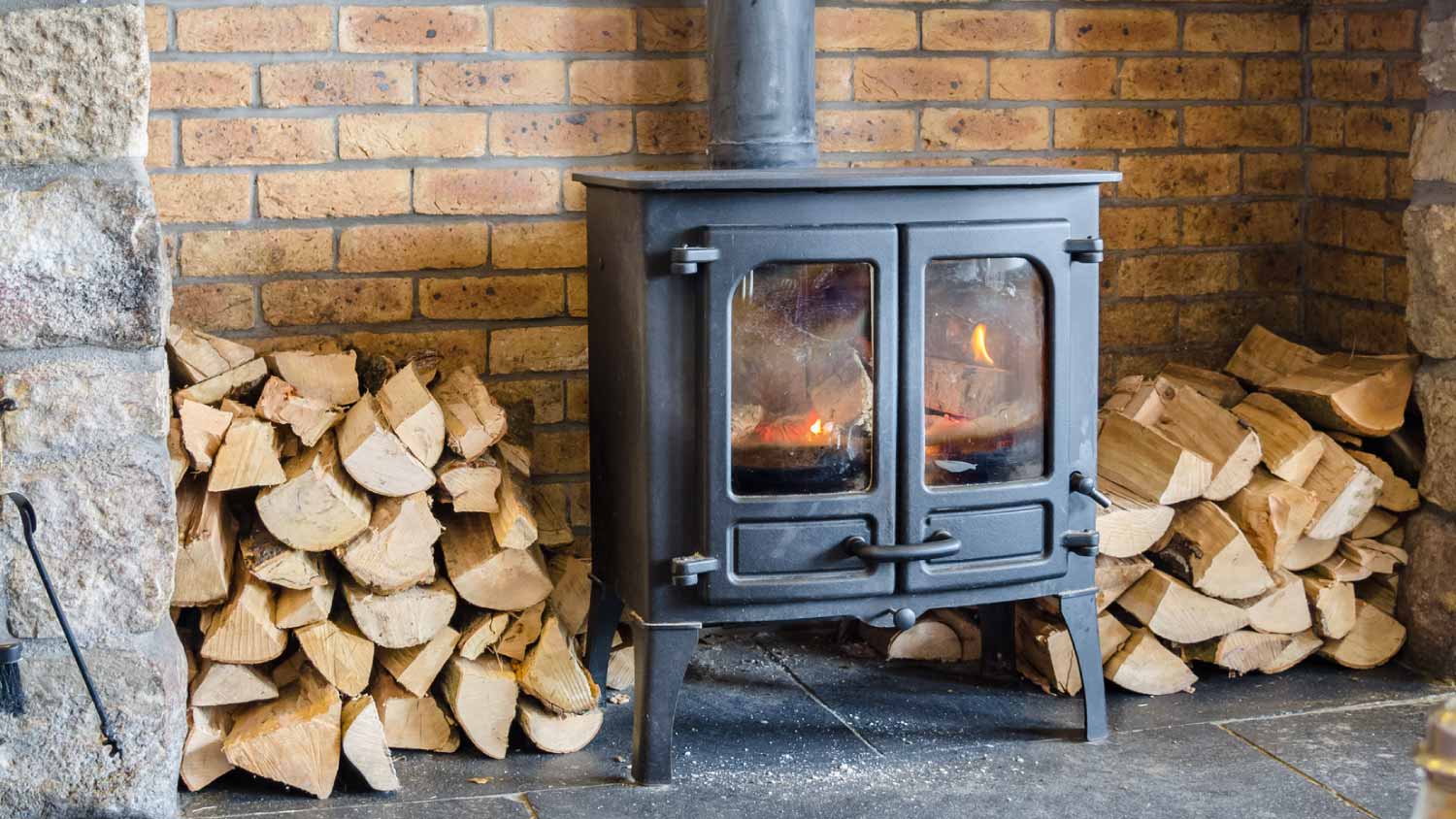
Ah, the wood-burning stove. That glowing heart of so many cozy homes, the keeper of stories, and the maker of marshmallows. But sometimes, our trusty hearth can decide to throw a little tantrum, and instead of a gentle dance of flames, we get a rather dramatic puff of smoke. It’s like the stove is trying to tell us something, and usually, it’s saying, "Hey! Something’s not quite right over here!"
Think of your wood-burning stove as a kind of grumpy old poet. It thrives on a good rhythm and the right kind of inspiration. When things go wrong, it’s not trying to be malicious; it’s just feeling a bit blocked, a bit… stifled. And that’s where the smoke comes in – it’s the poetic equivalent of clearing its throat, a sign that the creative flow has been interrupted.
One of the most common culprits is a bit like a sleepy morning. Your stove needs a good wake-up call, and that often means a proper draft. Imagine trying to blow out a birthday candle with hardly any breath – it just doesn't work, right? A good draft is the stove’s breath. Without it, the smoke has nowhere to go but back into your lovely living room, creating an unintended, albeit temporary, “smoky dungeon” experience.
Sometimes, this lack of breath is due to something as simple as a chilly chimney. If the chimney hasn’t been used in a while, it’s as cold as a forgotten ice cream cone. When you first light your fire, the warm air from the stove struggles to push through that frosty pipe. It’s a battle of temperatures, and the cold chimney often wins the first round, pushing a bit of smoke back to remind you that it needs a little warming up too.
The solution? A gentle pre-warm. You can take a rolled-up newspaper, light it, and carefully feed it up into the stove and then into the chimney. It’s like giving the chimney a little pep talk, a warm hug to get it going. Once it feels the warmth, it’s much more inclined to help the smoke on its journey outside.
Another reason for a smoky stove can be the fuel itself. Not all firewood is created equal, you see. Some wood is like a high-energy performer, burning bright and hot. Other wood is more like a reluctant audience member, slow to get going and a bit damp. This is especially true if you’re using green or unseasoned wood.

Green wood is like trying to cook with a soggy sponge. It’s full of moisture, and when you try to burn it, all that energy goes into evaporating the water instead of creating a beautiful, roaring fire. This excess moisture then tries to escape, and guess where it often goes? Yep, back into your room, creating that wispy, unwelcome smoke.
The ideal wood is seasoned, meaning it’s been dried out for at least six months to a year. It’s the difference between a crackling bonfire and a sad, sputtering hiss. You can often tell seasoned wood by its weight; it’s lighter and has visible cracks on the ends, like tiny, dried-out frowns.
Then there’s the issue of how you load your stove. Sometimes, we get a bit too enthusiastic with our logs. Packing the stove too tightly is like trying to breathe through a crowded room – it’s difficult for air to circulate. This lack of airflow means the fire doesn't get enough oxygen to burn efficiently, leading to smoldering and, you guessed it, smoke.
Imagine your fire as a tiny, energetic dancer. It needs space to twirl and leap. If you cram too many dancers onto the stage, they’ll bump into each other and stumble. A well-loaded stove allows air to flow around the logs, feeding the fire and letting it perform its magic.

Sometimes, the problem isn't inside the stove at all, but outside. Things like a blocked chimney are a classic culprit. Think of a clogged drain; the water has nowhere to go. Similarly, a blocked chimney can’t let the smoke escape.
These blockages can be caused by all sorts of things. Birds might decide your chimney is the perfect place to build a nest, creating a cozy, albeit smoky, avian abode. Or, over time, creosote, a sticky, tar-like substance from burning wood, can build up, narrowing the passage.
Regular chimney sweeping is like giving your stove a spa day. It ensures everything is clear and ready for action. It’s a bit like getting your car’s oil changed; it keeps the whole system running smoothly and prevents bigger, more expensive problems down the line.
Another, perhaps more surprising, cause of smoke can be how you open the stove door. If you yank it open too quickly, especially when the fire is really going, you can create a sudden pressure change. This can literally suck the smoke back into the room. It’s like a miniature, accidental smoke bomb.

The trick is to open the door slowly and deliberately. A gentle "crack" first, allowing the pressure to equalize gradually. It’s a moment of quiet negotiation between the inside of your stove and the outside world. This subtle action can prevent a lot of smoky drama.
Sometimes, the stove itself might have a minor issue. Perhaps the door gasket is worn out, meaning the seal isn't as tight as it should be. This little gap can let a bit of smoke sneak out, like a mischievous imp escaping from a castle.
A new gasket is usually a simple fix, and it makes a world of difference. It’s like putting a fresh pair of shoes on – everything feels more secure and efficient. It’s a small repair that can bring back a lot of cozy peace.
The flue damper is another part of the equation. This is like a traffic controller for your chimney. If it’s not opened fully when you’re starting a fire, it’s like telling the smoke to take a detour into your living room.

Ensuring the damper is open all the way is crucial. It’s a simple step, but one that’s often overlooked in the excitement of getting a fire going. Think of it as giving the smoke a clear, wide highway to travel on.
Finally, consider the weather. Believe it or not, atmospheric pressure can play a role. On some days, the air outside is heavier than usual, making it harder for the smoke to escape upwards. It’s like trying to swim against a strong current.
When the weather isn't cooperating, you might need to be a bit more patient with your stove. A little extra pre-warming and careful fire management can help. It’s a gentle reminder that even our trusty stoves are at the mercy of the elements sometimes.
So, the next time your wood-burning stove decides to puff out a bit of smoke, don't despair. It's not a sign of failure, but rather a little performance art. It’s your stove, in its own unique way, communicating its needs. And with a little understanding and a few simple adjustments, you can get back to enjoying the beautiful, smoke-free warmth and that heartwarming glow that makes a house feel like a home.