
Why Is My Skin So Shiny But Not Oily

Ever catch your reflection and think, "Wow, my skin looks… luminous!" but then touch your face and realize it’s not that slick, greasy feeling we usually associate with shine? You're not alone. This particular kind of glow – the healthy, radiant kind that seems to come from within, rather than from an overactive sebaceous gland – is a bit of a skincare mystery for many. But don't worry, it's a good mystery to have. Let's dive into why your skin might be radiating that gorgeous, dewy sheen without the tell-tale oiliness, and how to keep that natural spotlight shining.
The Great Glow-Up: Understanding That Non-Oily Shine
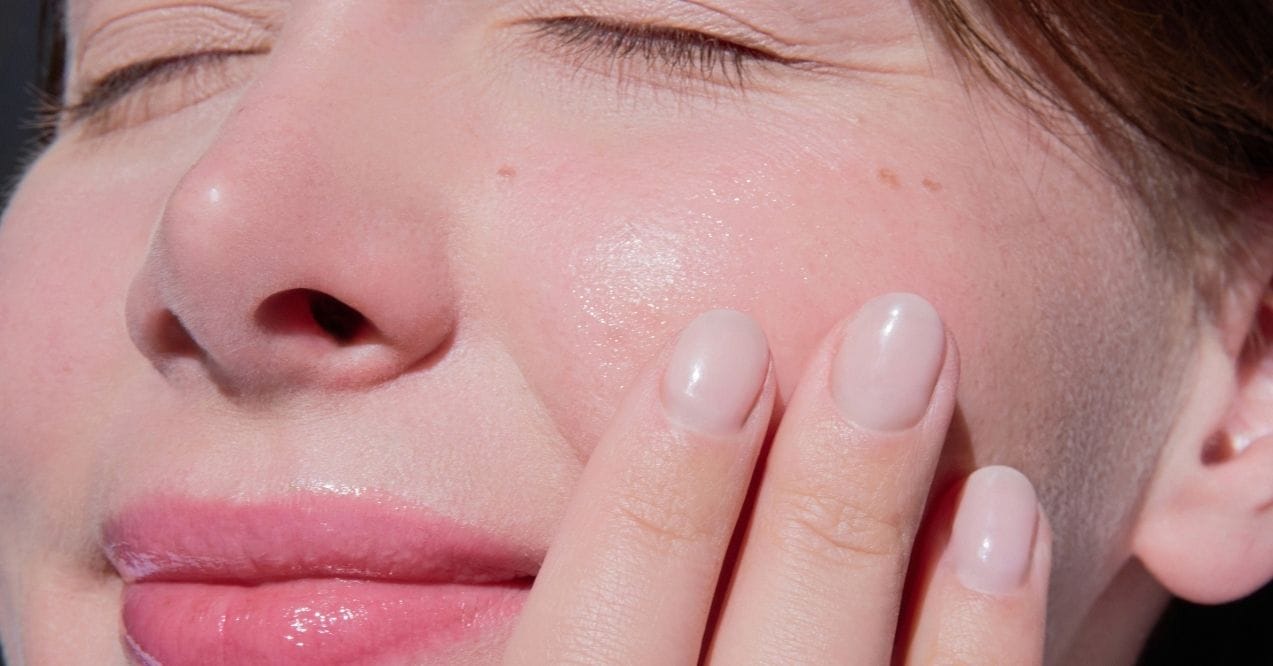
So, what's the deal? When we talk about "shiny" skin, our minds often jump to that mirror-like sheen that happens when your T-zone is working overtime. But this is different. This is the kind of shine that looks like you’ve just stepped out of a spa, or maybe you’ve been blessed by the skincare gods themselves. It’s often referred to as a “dewy” or “glass skin” effect, and it’s a sign of healthy, well-hydrated skin.
Think of it like a perfectly polished apple. It has a beautiful sheen, but it's not sticky or slippery. That's the kind of perfection we're aiming for. This kind of luminosity comes from a combination of factors, mostly related to how light interacts with the surface of your skin, and the overall health of your skin cells.
It's All About Hydration, Baby!
The number one reason for that coveted, non-oily shine is hydration. When your skin is properly hydrated, both internally and externally, it’s plump. And plump skin cells have a smoother surface. Imagine a smooth, flat surface versus a bumpy, dehydrated one. Light reflects more evenly off a smooth surface, creating that beautiful, diffused glow. It’s like the difference between a matte wall and a satin-finished wall – the latter catches the light in a more appealing way.
Dehydrated skin, on the other hand, can look dull, flaky, and even make fine lines appear more prominent. When your skin is begging for moisture, it loses its elasticity and its ability to reflect light gracefully. So, that dewy shine? It’s your skin’s way of saying, "I’m happy, I’m hydrated, and I’m feeling myself!"
The Magic of a Healthy Skin Barrier
Beyond just plumping up the cells, a strong and healthy skin barrier is crucial. Your skin barrier is like the bouncer at an exclusive club – it keeps the good stuff (moisture, nutrients) in and the bad stuff (pollutants, irritants) out. When your barrier is compromised, your skin loses water faster, leading to dehydration and that less-than-ideal dullness. A healthy barrier means your skin can retain moisture effectively, contributing to that smooth, light-reflecting surface.
Think of it as a well-maintained brick wall. The mortar is strong, the bricks are in place, and it’s doing its job protecting what’s inside. A damaged barrier is like a wall with crumbling mortar – it's letting things in and out willy-nilly.
Cell Turnover: The Inner Radiance Factor
Another unsung hero in the shiny-but-not-oily equation is healthy cell turnover. Your skin is constantly regenerating itself, shedding old, dead skin cells and bringing new, fresh ones to the surface. When this process is working smoothly, your skin looks brighter and more luminous. Dead skin cells can accumulate and create a dull, uneven surface, hindering that beautiful glow.

A good rate of cell turnover means you’re always presenting your freshest, most radiant skin. It’s like a beautifully curated art gallery – always displaying the newest, most vibrant pieces. When cell turnover slows down, it’s more like a dusty attic filled with forgotten treasures.
What's NOT Causing That Shine? (And What to Watch Out For)
It’s important to differentiate this desirable shine from true oiliness. If your skin feels slick, sticky, or you're constantly blotting away a visible layer of sebum, that's a different ball game. Oily skin is characterized by an overproduction of sebum, the natural oil your skin produces. While sebum is essential for keeping skin moisturized and protected, too much can lead to clogged pores, breakouts, and that unwelcome shine.
So, if your shine feels comfortable, smooth, and almost… velvety in its glow, you’re likely in the clear. If it feels like a greasy film, it might be time to re-evaluate your skincare routine to manage oil production. We're aiming for the radiant goddess, not the disco ball!
The Culprits of True Oiliness
Several factors can contribute to excessive oiliness. Genetics play a huge role – if your parents had oily skin, you likely will too. Hormonal fluctuations, especially during puberty, menstruation, or menopause, can also send your oil glands into overdrive. Even the climate can have an impact, with humidity often making skin feel oilier.
And, ironically, sometimes over-stripping your skin with harsh cleansers can cause it to rebound and produce even more oil to compensate. It’s a vicious cycle that we want to avoid!
Cultivating Your Natural Glow: Practical Tips & Tricks
Now that we understand the "why," let's talk about the "how." How do you achieve and maintain that beautiful, non-oily shine? It’s less about complicated routines and more about a mindful approach to skincare and lifestyle.

Hydration, Hydration, Hydration! (Did We Say Hydration?)
This cannot be stressed enough. Your skin needs water to be plump and radiant. This means drinking plenty of water throughout the day. Aim for at least eight glasses, and more if you’re active or live in a dry climate. Think of it as internal skincare – you can’t paint a beautiful picture on a dry canvas!
Beyond drinking water, incorporating hydrating ingredients into your skincare routine is key. Look for serums and moisturizers containing hyaluronic acid. This magical ingredient can hold up to 1000 times its weight in water, drawing moisture to your skin and plumping it up from within. It’s like giving your skin a refreshing drink, leaving it supple and dewy.
Gentle Cleansing is Your Friend
As mentioned, harsh cleansers can do more harm than good. Opt for a gentle, hydrating cleanser that won’t strip your skin of its natural oils. Creamy or milky cleansers are often excellent choices for normal to dry or dehydrated skin types. Avoid anything that leaves your skin feeling tight or squeaky clean – that’s a sign it’s too harsh.
Think of cleansing as a gentle reset button for your skin, not a power wash. A mild cleanser will remove impurities without disrupting your skin’s delicate balance.
Embrace the Power of Serums
Serums are concentrated powerhouses of skincare ingredients. For a dewy glow, look for serums packed with antioxidants like Vitamin C. Vitamin C not only brightens the complexion but also helps protect your skin from environmental damage that can lead to dullness. Another fantastic ingredient is niacinamide (Vitamin B3), which can help improve skin barrier function and reduce redness, contributing to a smoother, more even-toned complexion.
These potent little bottles deliver a targeted boost to your skin, helping it look and feel its best.

Moisturize, Even If You Think You Don't Need It
Yes, even if your skin doesn't feel oily, it still needs moisture. Skipping moisturizer is a common mistake that can lead to dehydration. Choose a moisturizer that suits your skin type, but generally, a well-formulated one will help seal in all those hydrating ingredients you’ve applied and support your skin barrier.
For those who worry about feeling too heavy, look for gel-based or water-based moisturizers. They provide hydration without the greasy feel, perfect for achieving that dewy finish. It’s like tucking your skin in for the night with a comforting blanket of moisture.
Exfoliate Wisely for Smoother Skin
Regular, gentle exfoliation can make a world of difference. It removes those dead skin cells that are dulling your radiance, revealing the fresh, new skin underneath. Chemical exfoliants like AHAs (alpha-hydroxy acids) and BHAs (beta-hydroxy acids) are great options. AHAs, like glycolic and lactic acid, help to improve skin texture and hydration, while BHAs, like salicylic acid, are excellent for deeper pore cleansing (though we’re less concerned about oiliness here, they can still contribute to overall skin clarity).
Start with a low concentration and use it a few times a week to see how your skin reacts. Over-exfoliation can damage your skin barrier, so listen to your skin!
The Magic of Facial Oils (Yes, Really!)
This might sound counterintuitive if you’re worried about shine, but certain facial oils can actually improve your skin’s hydration and create that dewy glow without making it oily. The key is to choose non-comedogenic oils that mimic your skin’s natural sebum. Oils like squalane, rosehip oil, or jojoba oil are excellent. They can help to balance your skin’s oil production and provide essential fatty acids, leaving your skin feeling soft, supple, and radiant.
Apply just a few drops after your moisturizer and gently pat it into your skin. It’s like adding a finishing gloss to a masterpiece.
Lifestyle Factors: Beyond the Bathroom Cabinet
Your skin’s health isn’t just about what you put on it; it’s also about how you live your life. A balanced diet rich in fruits, vegetables, and healthy fats provides your skin with the nutrients it needs to thrive. Think of it as fueling your body’s internal engine for optimal performance, including your skin’s glow.
Adequate sleep is also crucial. During sleep, your skin repairs and regenerates itself. Aim for 7-9 hours of quality sleep per night. And while we're at it, stress management plays a significant role. Chronic stress can wreak havoc on your skin, so finding healthy ways to de-stress, whether it's through yoga, meditation, or simply taking a quiet moment for yourself, is beneficial.
Cultural Nod: The "Glass Skin" Phenomenon
In recent years, the Korean beauty trend of "glass skin" has taken the world by storm. This aesthetic emphasizes clear, translucent, and incredibly hydrated skin that looks almost poreless and luminous. It’s all about achieving a dewy, light-reflecting finish that mimics the appearance of glass. The pursuit of glass skin relies heavily on the principles we've discussed: thorough hydration, gentle exfoliation, and a focus on a healthy skin barrier.
It’s a beautiful reminder that radiant, healthy skin is a global aspiration, and the techniques to achieve it are often rooted in understanding our skin’s natural needs.
A Little Fun Fact to Chew On
Did you know that the way light reflects off your skin is influenced by its texture? Smoother, plumper skin has more areas that can reflect light uniformly, creating that desirable glow. Conversely, rough or uneven skin scatters light, making it appear duller. So, by focusing on hydration and exfoliation, you're literally smoothing the canvas for your skin's natural radiance!
A Moment of Reflection
In our fast-paced world, it’s easy to get caught up in the pursuit of perfection, chasing trends and feeling like we're never quite enough. But that beautiful, non-oily shine on your skin? It’s a gentle nudge from your body, a whisper of its well-being. It’s not about perfection, but about health and balance. It’s a reminder to drink that extra glass of water, to take a few deep breaths, to be kind to your skin and, by extension, to yourself. This natural glow is your skin’s way of saying, "I’m doing alright," and in the grand scheme of things, that's a pretty wonderful thing to celebrate at the end of a busy day.