
Why Is My Paint Peeling Off The Wall
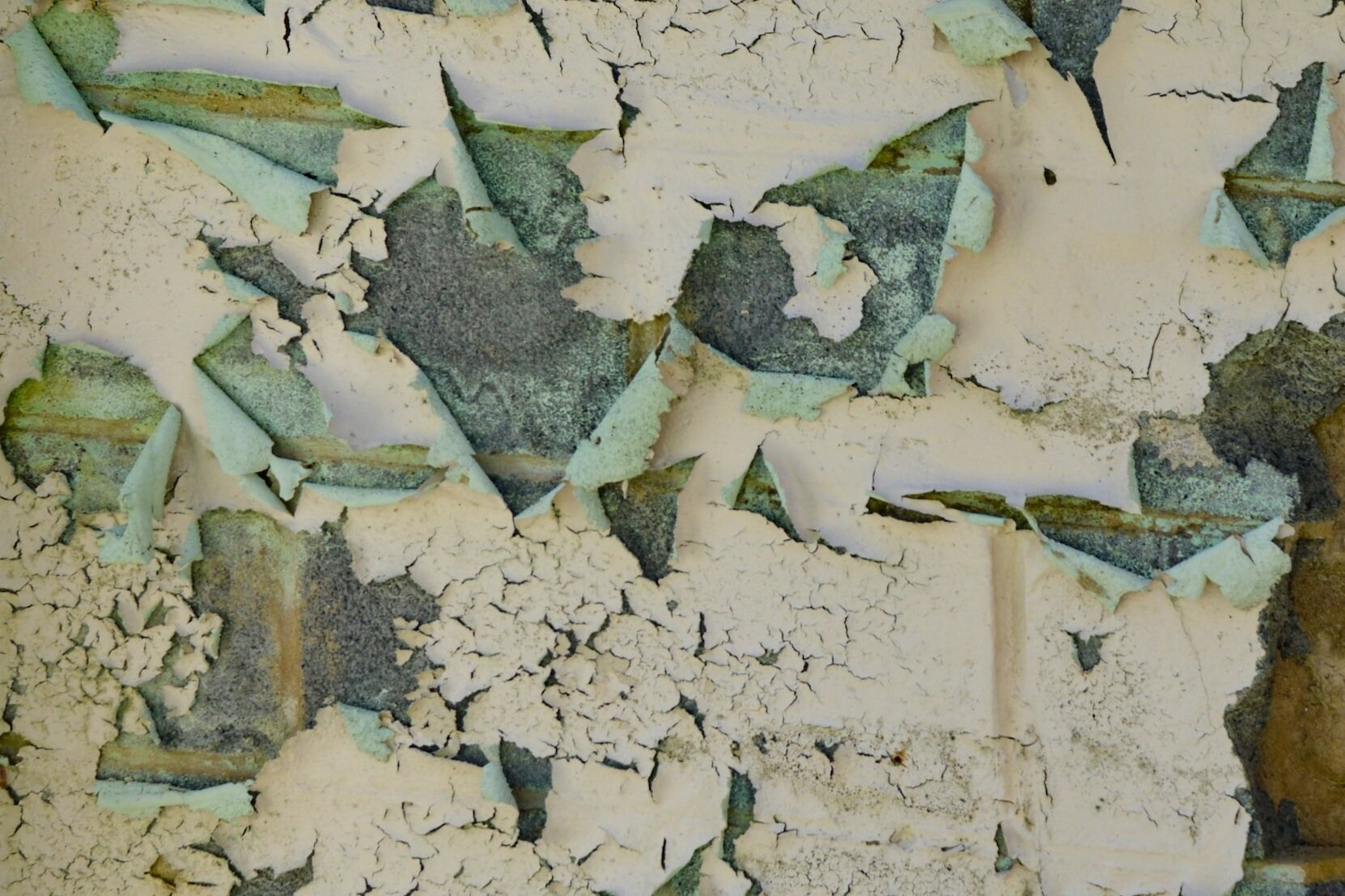
Ah, the mysterious case of the peeling paint. It’s a homeowner’s mystery, a DIYer’s nemesis, and sometimes, just a little bit… embarrassing. You know the scene: you’re giving your living room a quick once-over, maybe a polite pat on the wall, and then it happens. A little curl, a rogue flake, and suddenly you’re staring at a bald spot on your otherwise perfectly respectable wall. It’s like finding a stray sock in the dryer – where did that even come from?
This isn't some grand architectural flaw, usually. It’s more like your paint is staging a tiny, flaking protest. And like most protests, there’s usually a reason behind it. Let’s dive into this wall-y wilderness and figure out why your paint has decided to go rogue.
The Usual Suspects: Moisture, Moisture, Everywhere!
If your paint is peeling, especially in places like the bathroom, kitchen, or even that damp corner behind the couch that never quite dries out, chances are good that moisture is the primary culprit. Think of paint as a delicate skin for your walls. When that skin is constantly exposed to a steamy shower or a boiling pot of pasta, it can start to get a little… soggy. And just like your own skin after a long bath, it can eventually lose its grip.
Imagine your wall as a well-dressed person. They’ve got their smart outfit (the paint) on. Now, imagine drenching them in water. The outfit gets heavy, it loses its shape, and eventually, it starts to fall apart. That’s kind of what’s happening to your paint. It’s getting saturated, losing its adhesion, and deciding to make a break for it.
Common moisture-related troublemakers include:
- Leaky pipes: A slow drip can do a surprising amount of damage over time. It's like a tiny, persistent critic whispering bad things to your paint.
- Poor ventilation: Ever notice how your bathroom mirror fogs up like a sauna after a hot shower? That trapped steam needs to go somewhere, and sometimes it goes straight into your paint.
- Condensation: Especially on exterior walls in colder climates, condensation can form on the inside of your walls, and guess what gets the brunt of it? Your paint.
- Water intrusion from outside: Cracks in your foundation, faulty gutters, or even a leaky roof can all be sending water on an unauthorized tour of your wall cavities.
Fixing the source of the moisture is like giving your paint a nice, dry spa day. It’s the first and most important step. Otherwise, you’re just putting a new outfit on a wet dog – it’s going to get ruined again.
The Great Escape: Poor Surface Preparation
This is a big one, and it’s often the reason why paint decides to pack its bags and leave almost immediately after being applied. Think of painting your wall like building a house. You wouldn’t slap bricks onto a pile of sand, would you? You need a solid foundation. The same goes for paint.
If the wall wasn’t cleaned properly before painting, you’ve got all sorts of things like dust, grease, old paint chips, or even mildew clinging on for dear life. The new paint is supposed to bond to a clean, smooth surface. Instead, it’s trying to make friends with all these unwelcome guests. It’s like trying to hug someone wearing a hazmat suit – not a great connection.
And let’s not forget about glossy or semi-gloss surfaces. If you try to paint over a shiny surface without lightly sanding it down first, you’re essentially asking the new paint to stick to a greased-up slide. It’s just going to slide right off. It’s the equivalent of asking a chameleon to blend in on a mirror – it’s going to have a tough time.
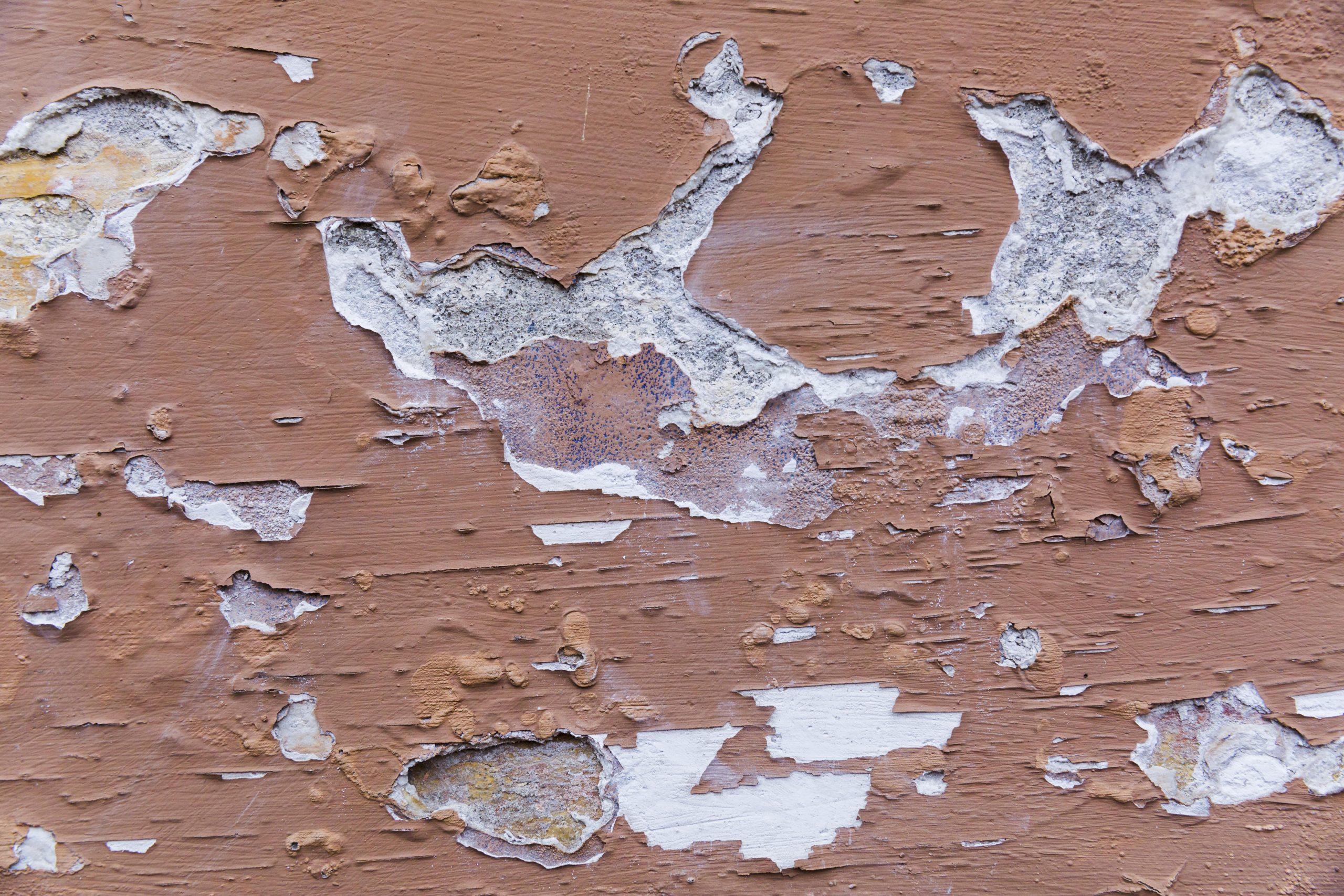
Primer is your best friend here. It acts as a sticky bridge, helping the new paint adhere properly. Skipping primer is like skipping the appetizer before a fancy dinner – you’re missing a crucial bonding step!
So, if your paint is peeling in large, unbothered sheets, especially in new areas you’ve recently painted, take a peek back at the prep work. Were you in a rush? Did you just slap it on? We’ve all been there, staring at a clock and thinking, "Eh, it’ll probably be fine." Well, sometimes, it's not fine. It’s a painful lesson in patience.
The Undercover Agents: Old Paint Layers
Sometimes, the problem isn't with the paint you just put up, but with the layers that came before. Walls, especially older ones, can accumulate a lot of paint. We’re talking multiple personalities of paint, each with its own history and adhesion quirks.
If there are layers of old, incompatible paint (think oil-based over latex, or vice-versa) or paint that was poorly applied previously, the new paint might be sticking to a weak foundation. It’s like trying to build a skyscraper on top of a Jenga tower – one wrong move, and the whole thing crumbles.
Sometimes, the paint you’re seeing peel isn’t even the paint you applied. It’s a rogue layer from a decade ago, having a rebellious moment. It’s like finding a forgotten birthday card from your third-grade teacher tucked away in a long-lost sweater – a surprise from the past!
Lead paint is another consideration, especially in homes built before 1978. If you’re dealing with peeling paint in an older home, it’s crucial to get it tested. Lead paint is a serious health hazard, and disturbing it can release dangerous particles into the air. So, this isn’t a DIY curiosity; it's a call to action for professionals.
![7 Easy Steps To Fix Paint Peeling Off Wall [+Prevention Tips]](https://nipponpaint.com.sg/wp-content/uploads/Paint-Peeling-Off-Wall-Article-Cover.jpg)
Temperature Tantrums and Environmental Eruptions
Believe it or not, the environment where you're painting can play a role in your paint's future stability. Extreme temperatures, both hot and cold, can be detrimental.
Painting in scorching heat can cause the paint to dry too quickly on the surface, forming a skin before the rest of the paint has had a chance to adhere properly. It’s like trying to bake a cake in a blast furnace – the outside burns before the inside cooks. Then, when you touch it, it flakes off like a sunburnt shoulder.
On the flip side, painting in cold temperatures can prevent the paint from curing correctly. Latex paints, in particular, need a certain temperature range to dry and form a durable film. If it’s too cold, they can remain soft and brittle, making them prone to chipping and peeling.
Also, consider the humidity. High humidity can slow down drying time and, as we’ve already discussed, introduce moisture issues. It’s like trying to dry your laundry in a steam room – it’s not going to happen quickly, and things might get a bit damp and sticky.
The ideal scenario is to paint in moderate temperatures with relatively low humidity. It’s like letting your sourdough starter proof – you need the right conditions for it to thrive!
The Greasy Grifters: Oils and Residues
This is a sneaky one. Sometimes, you think your wall is clean, but lurking beneath the surface are invisible invaders: oils and residues.
Think about your kitchen walls. Over time, they can accumulate a fine layer of cooking grease, even if you can’t see it. This grease acts like a barrier, preventing paint from sticking. It’s like trying to apply superglue to a buttered-up croissant – not going to work!
:max_bytes(150000):strip_icc()/peeling-paint-wall-GettyImages-1465459070-49b8ac93cd3f4a7982c0e3031bf38f85.jpg)
Other residues, like from cleaning products or even certain types of smoke, can also cause adhesion problems. If you've recently cleaned the wall with a strong degreaser or polish, ensure you've rinsed it thoroughly and allowed it to dry completely. Residue from these products can be just as problematic as grease.
The solution? A good old-fashioned scrub-down with a mild detergent and water, followed by a thorough rinse and drying. It’s the wall equivalent of a detox!
The "Settling In" Saga: Paint Age and Quality
Just like us, paint doesn’t last forever. Over time, paint can degrade, especially if it’s of lower quality or if it’s been exposed to harsh conditions.
Older paint can become brittle and lose its flexibility. When the wall expands or contracts slightly due to temperature changes, the old, brittle paint just can't keep up and starts to crack and peel. It’s like a stiff, elderly person trying to do the splits – it’s not going to end well.
Using low-quality paint can also be a gamble. Cheaper paints often contain fewer binders, which are the ingredients that hold the pigment together and help the paint adhere to the surface. So, you get what you pay for, and sometimes, paying less upfront means paying more for repairs down the line.
When in doubt, invest in good quality paint. It’s designed to be more durable and flexible, offering a better long-term relationship with your walls.
The Unseen Force: Air Pressure and Drafts
This is a more unusual culprit, but it can happen. In some cases, changes in air pressure can affect paint, especially if there are underlying structural issues or significant drafts.
Imagine your walls are like lungs. If there's a sudden inhale or exhale of air pressure (think of a strong wind or even just opening and closing a door with a big draft), it can put stress on the paint film. If the paint isn't strongly adhered, it can start to lift or bubble.
This is more common in older homes with less robust sealing, or in areas prone to extreme weather. It’s like your paint is getting a little too much of an extreme workout, and it’s not built for it.
The Bottom Line: Prevention is Key!
So, why is your paint peeling? It’s usually a combination of factors, but the underlying themes are almost always moisture, poor adhesion, and environmental stress. It's like a bad recipe – too much of one ingredient, or skipping a crucial step, and the whole dish is ruined.
The good news is that most of the time, this is a fixable problem. The bad news is that it often requires a bit of detective work and, inevitably, some elbow grease.
Before you even think about slapping on another coat of paint, take a deep breath. Assess the situation. Is it damp? Was the surface clean? Is there old, flaky paint underneath? Once you’ve identified the villain, you can enact your plan of attack.
And remember, a little bit of care and attention during the painting process – proper surface preparation, good quality paint, and attention to environmental conditions – can save you a whole lot of headaches (and peeling paint) down the road. It’s the difference between a flimsy handshake and a firm, reliable grip. Your walls will thank you for it!