
Why Is My Dog Throwing Up White Foam
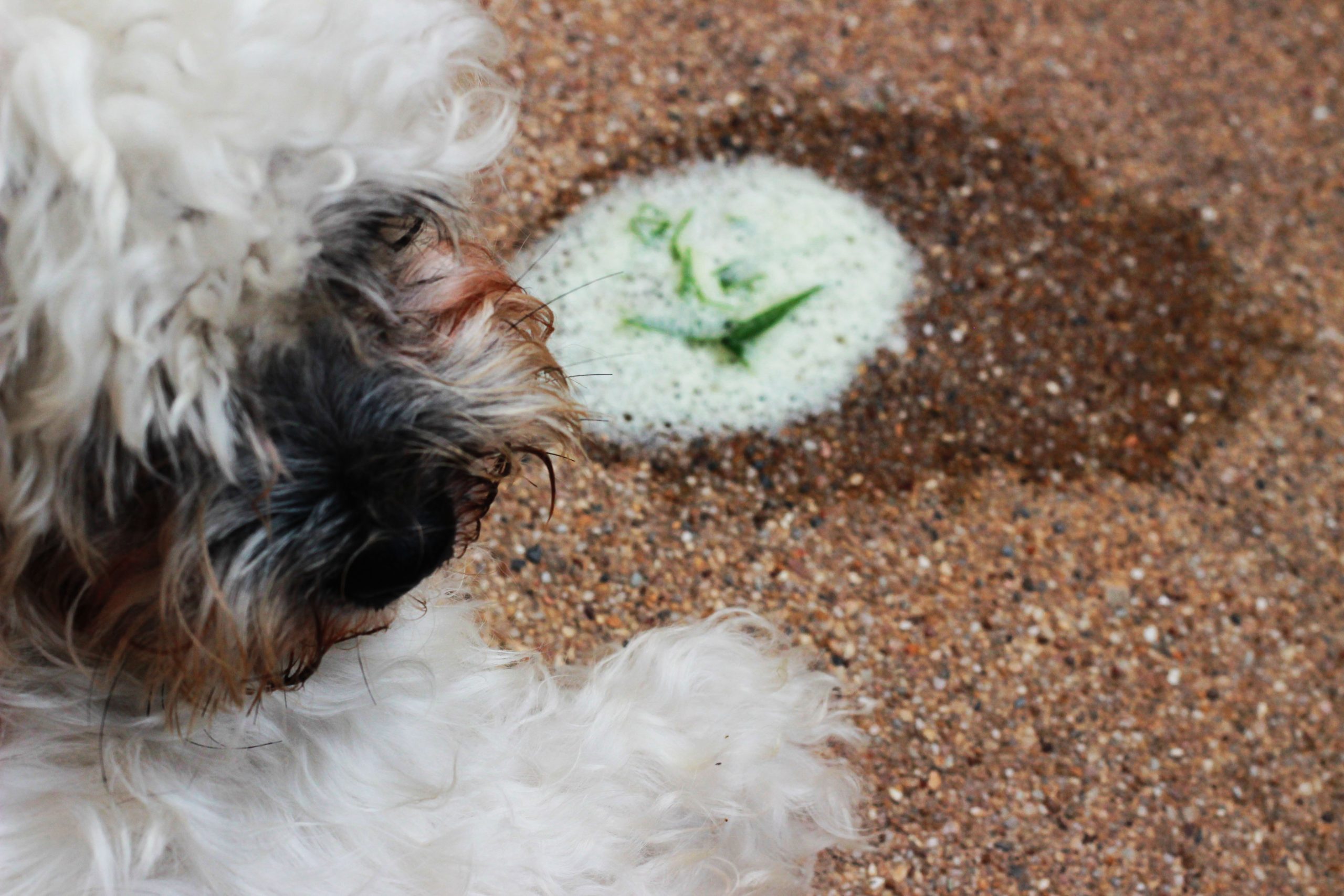
Oh, the joys of dog ownership! One minute you're basking in the glow of those soulful eyes, the next you're staring down a rather… foamy situation. Yep, we’ve all been there, right? Your usually delightful dog suddenly decides your rug is the perfect canvas for a little something extra. And what’s this something extra? Often, it's that familiar, slightly unsettling, white foam.
It’s enough to make your heart do a little flip-flop, isn't it? You're probably thinking, "Is he okay? Did he eat something weird? Is this a sign of the apocalypse, or just a Tuesday morning?" Let’s take a deep breath, grab a virtual cup of coffee, and chat about this common doggy predicament. Because understanding what's happening can turn that moment of panic into a much calmer, and dare I say, even a little bit funny, experience.
So, What's the Deal with the White Foam?
Think of your dog’s tummy like a little internal washing machine. Sometimes, it just needs to clear out some gunk. White foam, in many cases, is simply a sign that your dog has either vomited an empty stomach or has a bit of excess stomach acid and mucus trying to make a getaway. It’s kind of like when you have a really dry cough and all that comes up is… well, not much, just a bit of froth.
Imagine your dog had a big, exciting day. Maybe they chased squirrels with gusto, or perhaps they had a particularly enthusiastic zoomie session. All that activity, combined with an empty stomach, can sometimes lead to this foamy expulsion. It’s their body saying, "Okay, this space is currently underutilized, and I’ve got a bit of extra bubbly stuff to get rid of."
Another common culprit? Indigestion. Just like us humans, our canine companions can get an upset tummy. Maybe they scarfed down their dinner a little too quickly (we’ve all seen that!). Or perhaps they found something intriguing on their walk that they decided was a gourmet snack (a rogue leaf, a bit of discarded something-or-other – you know the drill!). When their stomach is a bit unhappy, it can produce this foamy stuff.
When Should You Start Tapping Your Chin and Looking Concerned?
Now, I'm not here to send you running to the vet every time your dog produces a puff of white fluff. Most of the time, it's a one-off event and your furry friend is back to their tail-wagging selves in no time. However, there are certain situations where that initial worry might be worth paying a little more attention to. It’s like that little voice in your head saying, "Hmm, this feels a bit off."
The "Uh Oh" Red Flags
Here’s where we transition from "mildly curious" to "definitely pay attention." If your dog is throwing up white foam, and it's accompanied by any of these, it's time to pick up the phone:
- Frequent Vomiting: If it's happening more than once or twice, or if it happens repeatedly throughout the day. One foamy incident is one thing, but a series is a different story.
- Lethargy: Is your dog suddenly less enthusiastic about their favorite squeaky toy? Are they sleeping more than usual, or seem listless? This is a big clue that something isn't right.
- Diarrhea: A combination of vomiting and diarrhea is almost always a sign that your dog needs some medical attention. It's like when you have a terrible stomach bug – you're not just puking, you're feeling generally unwell.
- Loss of Appetite: If your dog, who normally inhales their food like a vacuum cleaner, is suddenly turning their nose up at dinner, it's a red flag.
- Pain or Discomfort: Does your dog seem to be whining, yelping, or acting uncomfortable when you touch their belly? That's a definite sign to investigate.
- Blood in the Vomit: This is a serious one, no matter how small the amount. If you see any pinkish or reddish tinge, seek veterinary help immediately.
- Suspected Ingestion of Toxins or Foreign Objects: Did your dog just inhale that entire sock? Or do you have poisonous plants within reach? If you suspect they've eaten something they shouldn't have, even if it's just foam for now, it’s an emergency.
Think of it this way: if your child had a little cough and then seemed perfectly fine, you’d probably relax. But if they started running a fever, seemed weak, and were coughing non-stop, you’d be on the phone to the doctor. It's the same principle with our furry family members.
Common Culprits (Besides Just a Tummy Rumble)
While an empty stomach is often the innocent party, there are other reasons why your dog might be producing that white foam. Knowing these can help you figure out if it’s just a blip or something more substantial.
Gastric Upset and Indigestion: The Usual Suspects
We touched on this, but it bears repeating. Sometimes, it’s as simple as a tummy ache.
Eating too fast: Have you ever tried to eat a burger after starving all day? You probably wolfed it down, right? Dogs can be the same! They gulp their food, swallowing a lot of air in the process. This air can irritate their stomach lining and lead to that foamy expulsion. It’s like when you get a bad case of hiccups after eating too quickly.

Dietary changes: Did you recently switch your dog’s food? Even a gradual change can sometimes shock their system. Imagine going from your comfort food to something entirely new and different – your stomach might stage a protest!
Eating something they shouldn't have: Ah, the joys of dog ownership! That forgotten crumb under the couch, the interesting-smelling patch of grass, the rogue bit of fluff that looked suspiciously like a treat. If your dog has a sensitive stomach, these little “treats” can lead to an upset.
More Serious (But Still Manageable) Concerns
Now, let’s talk about things that might require a bit more attention from your veterinarian. Again, don’t panic! These are just possibilities, and many are treatable.
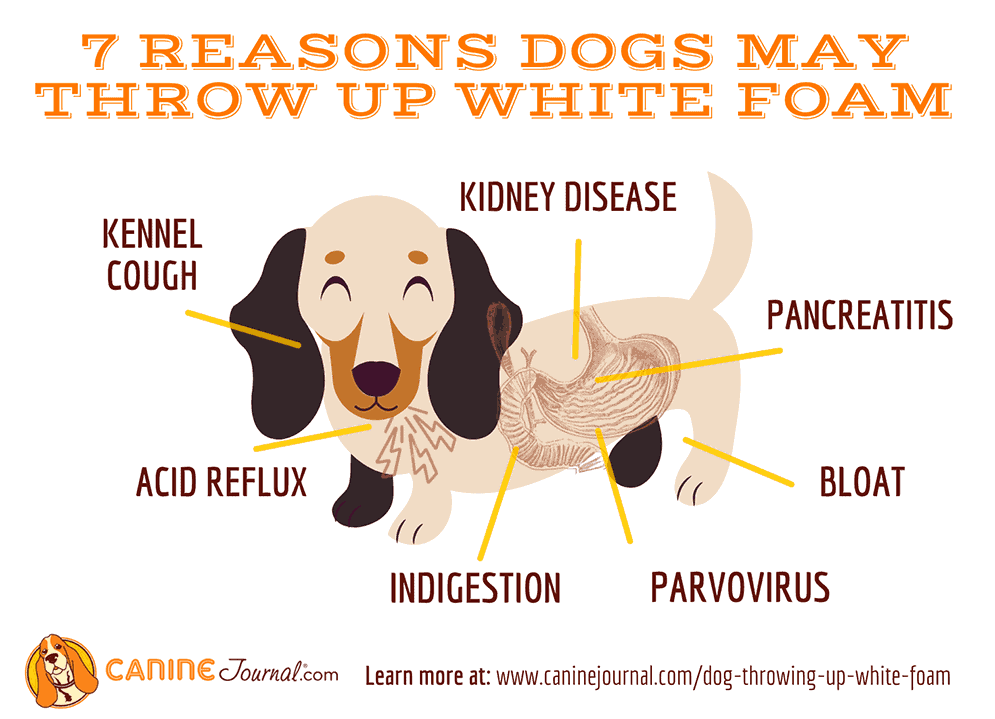
Gastric Dilatation-Volvulus (GDV), or Bloat: This is a serious one, and it’s why we often recommend feeding smaller meals and avoiding strenuous exercise right after eating, especially for deep-chested breeds. Bloat happens when the stomach fills with gas and can twist. The foamy vomit can be a sign that your dog is trying to relieve pressure. This is a veterinary emergency. If you suspect bloat – your dog is restless, pacing, trying to vomit without success, and has a distended abdomen – get to a vet ASAP.

Parasites: Intestinal worms are no fun for anyone, including your dog. They can cause all sorts of digestive issues, including vomiting. Regular deworming is key here.
Viral or Bacterial Infections: Just like us, dogs can get sick with stomach bugs. These can range from mild to more severe and often come with other symptoms like diarrhea and lethargy.
Pancreatitis: This is an inflammation of the pancreas, often triggered by eating something fatty. Symptoms include vomiting, abdominal pain, and lethargy. It can be quite painful for your dog.
Kidney or Liver Disease: In some cases, vomiting can be a symptom of more serious underlying organ issues. This is why it’s important to consider the overall health picture.
What You Can Do at Home (Before You Call the Vet)
So, your dog has just presented you with a foamy masterpiece. What now? Here are some gentle steps you can take:
- Observe: Just watch your dog. Are they acting normal otherwise? Are they playful? Are they drinking water?
- Withhold Food (Temporarily): For a few hours (say, 6-12 hours), you might consider withholding food, but always ensure they have access to fresh water. This is like giving your own stomach a rest.
- Offer Bland Food: After the fasting period, offer small amounts of plain, boiled chicken (no skin or bones) or white rice. Think of it as a doggy hospital food diet. If they keep that down for 24 hours, you can gradually reintroduce their regular food.
- Don't Offer Treats or Table Scraps: This is crucial. You don't want to further upset their stomach.
Important Note: This is for isolated incidents of white foam. If you see any of the red flags mentioned earlier, skip straight to the vet. Better safe than sorry, as they say!
When to Make the Call to Your Vet
As much as we love our dogs and want to solve everything ourselves, sometimes it’s best to have a professional opinion. Don't hesitate to call your veterinarian if:
- You are concerned. Your gut feeling is often right.
- The vomiting is frequent or persistent.
- Your dog is showing any of the red flag symptoms.
- You suspect they’ve eaten something harmful.
- The foamy vomit contains blood or looks like coffee grounds.
Your vet is your best resource. They can help diagnose the issue, offer the right treatment, and give you peace of mind. They’ve seen it all, and they’re there to help your furry friend feel better.
Final Thoughts: It's Usually Just a Hiccup
At the end of the day, a little bit of white foam is often just your dog’s way of saying their tummy is a bit sensitive. It’s a normal, albeit messy, part of having a dog. By being aware of the potential causes and knowing when to seek professional help, you can navigate these moments with confidence and keep your beloved companion happy and healthy. So, the next time you find that foamy surprise, take a breath, check your dog’s overall demeanor, and remember that most of the time, it’s just a passing tummy rumble. And hey, at least it’s not… well, you know. Some things are best left unsaid! Happy dog parenting!