
Why Is My Car Making A Ticking Noise
Hey there, car whisperer! So, you've noticed a new little symphony coming from your trusty steed, haven't you? A tick-tick-tick that's just…there. It's like your car decided to take up drumming lessons without telling you. Don't panic! We've all been there, listening to our cars go through their quirky phases. Think of it as your car having a little chat with you, and today, we're going to decipher its tick-tock language. Ready to become a car sound detective? Let's dive in!
First things first, let's acknowledge the obvious: cars are complex beasts. They've got hundreds of moving parts, all whirring and churning away to get you from point A to point B. Sometimes, one of those parts decides to get a bit… vocal. It's usually nothing to freak out about immediately, but it's definitely worth paying attention to. Ignoring a tick could be like ignoring a tiny itch that turns into a major problem. So, pat your dashboard, give your steering wheel a friendly squeeze, and let's figure out what's tickin'!
The Usual Suspects: What's That Tick-Tock?
Okay, so we've got this tick. Where is it coming from? Is it a high-pitched, rapid fire tick that speeds up with the engine? Or is it a slower, more deliberate tick? The location and timing are your biggest clues. Think of yourself as Sherlock Holmes, but instead of a magnifying glass, you've got your ears and your sense of smell (sometimes those mysterious smells can be clues too!).
Engine Oil Level: The Simplest (and Scariest) Explanation
Let's start with the easiest, and honestly, the one that makes people sweat a little. Low engine oil. Yep, it's true. Your engine is like your body; it needs lubrication to run smoothly. When the oil level is too low, metal parts can start to rub against each other, and that friction can create a ticking sound. It's usually more of a clacking or tapping noise, but it can definitely start as a tick.
Imagine trying to run a marathon without drinking any water. Your muscles would protest, right? Your engine is kind of the same. It needs that lovely, slippery oil to keep everything happy. This is why checking your oil is, like, super important. If you haven't checked it in a while, or you're not sure when it was last changed, this is your first mission. Find that dipstick (it's usually brightly colored and sticking out of the engine), pull it out, wipe it, reinsert it, pull it out again, and check the oil level. If it's low, topping it up is your immediate next step. It's a quick fix that could save you a world of pain. Plus, you get to feel like a total car guru for doing it!
Exhaust Leaks: A Breath of Fresh Air… Or Not!
This is another common culprit for that rhythmic tick. Exhaust leaks can happen anywhere along the exhaust system, from the manifold to the muffler. When there's a small leak, hot exhaust gases escaping can create a ticking sound. This tick often gets louder when the engine is cold and can sometimes quiet down as the engine warms up and the metal expands. You might also notice a slight increase in your fuel consumption or a funky smell.
Think of it like this: your exhaust system is a sealed pipe carrying all those hot, gassy fumes away from your cabin. If there's a tiny hole, those fumes are going to try and find a way out, and sometimes they do it with a little hiss and a tick. It's like a tiny, angry dragon trying to escape! If you suspect an exhaust leak, it's a good idea to get it checked out. While a small leak might not be catastrophic, it's not ideal for your engine's performance or the environment. Plus, nobody wants their car smelling like a burnt toast convention.

Valve Lifter Tick: The Noisy Neighbor in Your Engine
Ah, the classic valve lifter tick. This is probably one of the most frequent offenders. Your engine has valves that open and close to let air and fuel in, and exhaust out. These valves are operated by components called lifters (or tappets). If the oil pressure isn't quite right, or if the lifters themselves are a bit worn or dirty, they can make a ticking noise. This tick is often heard at the top of the engine and tends to increase with engine RPMs.
Imagine tiny little hammers tapping away inside your engine. That's kind of what happens when a lifter is acting up. It’s like a roommate who’s constantly tapping their pen during a quiet study session. Annoying, right? Sometimes, a good oil change can help clear out any gunk that’s causing the problem. Other times, if the lifter is really worn, it might need to be replaced. It's not the end of the world, but it's definitely something to keep an ear on.
Fuel Injectors: The Tiny Sprayers
Believe it or not, your fuel injectors can also make a ticking sound. These little guys are responsible for spraying fuel into your engine's cylinders. They operate very rapidly, and the ticking you hear is actually the sound of the injector solenoid opening and closing. This is usually a normal operating sound for many engines, especially some types of gasoline direct injection (GDI) engines.
Think of them as super-fast, tiny little squirt guns. They’re working hard to get your engine just the right amount of fuel. In most cases, this is just the normal soundtrack of your car working. However, if the ticking suddenly changes, gets louder, or is accompanied by other symptoms, it might be worth getting it checked. Sometimes a dirty injector can make more noise. But for the most part, if it's a consistent, faint tick, you can probably just let it be and appreciate your car’s hard work!
Loose Spark Plugs: A Little Jiggle Can Cause a Big Noise
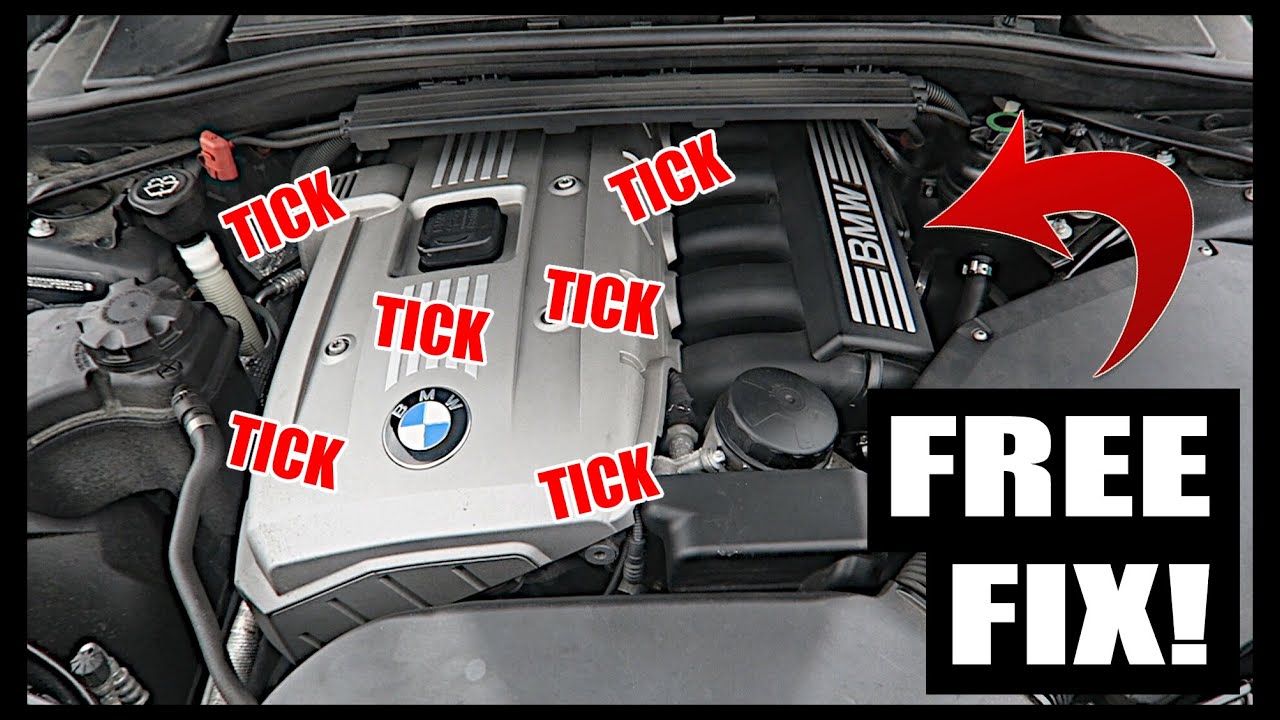
This one is a bit less common, but still a possibility. If a spark plug isn't fully tightened, or if its seal is compromised, it can allow combustion gases to escape, creating a ticking sound. This is more likely to happen after someone has replaced spark plugs and they weren't torqued down correctly. The sound would likely be more prominent when the engine is running.
Imagine a tiny, pressurized hole in your engine. That's what a loose spark plug can be. It's like a tiny little whistle that only blows when the engine is working. This is a relatively easy fix for a mechanic, so if you suspect this, it's definitely worth getting it looked at. We don't want any of those precious combustion gases escaping and making a racket!
Belt Tensioner or Pulley Issues: The Squeaky Wheel Gets the Grease (or the Tick!)
Sometimes, the ticking noise isn't actually coming from inside the engine, but rather from the accessories attached to it, like the alternator, power steering pump, or air conditioning compressor. A worn belt tensioner or a failing pulley can make a variety of noises, including a ticking or chirping sound. This is often heard when you first start the car or when you turn the steering wheel.
Think of all those belts and pulleys as a tiny, intricate dance party happening on the front of your engine. If one of the dancers (the pulley) is a bit wobbly, or the choreographer (the tensioner) isn't doing their job right, the music (the ticking) can get out of tune. These are usually pretty straightforward to diagnose and fix. Your mechanic will probably pop the hood, listen with a stethoscope, and pinpoint the noisy dancer.

Something Stuck: The Uninvited Guest
And then there's the "what the heck is that?" category. Sometimes, a small object can get lodged somewhere it shouldn't be. A small twig, a piece of road debris, or even something from your engine bay that's come loose can end up making contact with a moving part and creating a ticking noise. This is especially true if the sound is irregular or seems to come from the outside of the engine.
It's like finding a rogue Lego piece in your bed. You know it’s not supposed to be there, and it’s definitely making its presence known! If you can, carefully (and when the engine is OFF and COOL!) take a look around the engine bay with a flashlight. You might be surprised what you find. If you see something suspicious, try to carefully remove it. If not, it's a job for your trusty mechanic to investigate.
So, What Now? Don't Let the Tick Tock You Off!
Okay, so you've listened, you've pondered, and you've probably googled "car ticking noise" a million times. Deep breaths! The good news is that most ticking noises are fixable. The key is to address them sooner rather than later. Ignoring a small tick could lead to a bigger, more expensive problem down the road. It’s like that little white lie that gets bigger and bigger.
If you're comfortable with basic car maintenance, checking your oil level and doing a quick visual inspection of your engine bay are great first steps. However, if you're not mechanically inclined, or if the ticking sound is persistent, loud, or accompanied by other warning signs (like a check engine light, strange smells, or performance issues), it's time to call in the cavalry. That's right, your friendly neighborhood mechanic!
Remember, your mechanic is there to help. They’ve heard it all before. Don't be embarrassed to describe the sound as best you can. Mimic the tick with your mouth if you have to! The more information you can give them, the faster they can diagnose the problem. Think of it as giving them a head start on their detective work.
When in Doubt, Get it Checked Out!
Seriously, folks. Your car is an investment, and keeping it running smoothly is the best way to protect that investment. A little bit of preventative maintenance, or a prompt fix for a strange noise, can save you a lot of headaches and a lot of cash in the long run. Plus, nobody wants to be stranded on the side of the road with a ticking time bomb under the hood (okay, maybe not a literal time bomb, but you get the idea).
So, the next time you hear that little tick-tick-tick, don't let it drive you crazy. See it as your car’s way of saying, "Hey, I need a little attention!" Take a deep breath, do a quick check if you can, and then confidently book an appointment with your mechanic. They'll get to the bottom of it, and you'll be back on the road, enjoying a quiet, smooth ride, with the only ticking you hear being the clock on your dashboard reminding you it's time for your next adventure.
And who knows? Maybe after this little tick-tock adventure, you'll have a newfound appreciation for your car's complex inner workings. You'll be the one in the know, the one who can tell your friends, "Oh, that little tick? Yeah, that's just my engine clearing its throat." You'll be the car whisperer, and that's pretty darn cool. So go forth, listen closely, and drive on with confidence! Your car thanks you for your attention, and so do we. Happy motoring!