
Why Is Brown Bread Better Than White

Hey there, bread lovers! So, we've all been there, staring at the bread aisle, a fluffy white loaf on one side and its more rugged, browner cousin on the other. And let's be honest, sometimes white bread just calls to us, doesn't it? It's so soft, so... innocent. But what if I told you that ditching the pale and embracing the tan is one of the easiest, tastiest ways to give your body a little high-five? Yep, we're diving into the wonderful world of brown bread versus white bread, and trust me, it’s not as boring as it sounds. Think of it as a delicious detective story, and the culprit is… well, it’s more about who’s the hero.
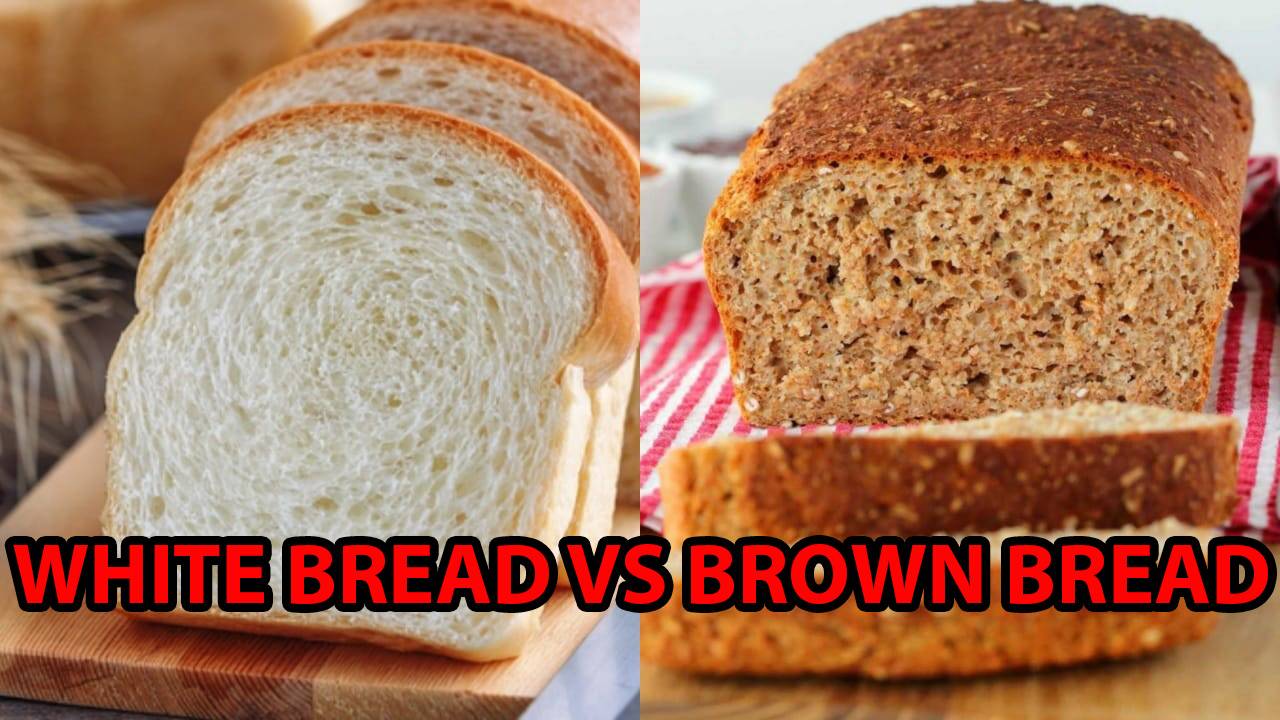
First off, let’s get down to brass tacks. What is brown bread, anyway? It’s not just white bread that’s been in the sun too long (though that would be a funny mental image!). Generally, when we talk about brown bread, we mean wholemeal or wholewheat bread. The key difference lies in how the wheat grain is processed. You see, that little wheat kernel is a powerhouse, packed with goodness. It’s got the bran (the outer layer), the germ (the embryo), and the endosperm (the starchy bit). White bread? It’s mostly made from the endosperm, meaning the bran and germ are often stripped away. It’s like getting a package and throwing away the wrapping paper and the little surprise inside. A bit of a waste, wouldn't you say?
Brown bread, on the other hand, uses the whole grain. That means all those lovely bits – the bran, the germ, and the endosperm – are included. This is a HUGE deal, folks. It’s like the difference between getting a plain vanilla ice cream and a sundae with all the toppings. You get more nutrients, more fibre, and a whole lot more bang for your buck (or, you know, your toast). So, when you see "wholemeal" or "wholewheat" on the label, that's your cue that you're on the right track to Team Brown.
The Fibre Fiesta: Why Your Gut Will Thank You
Let’s talk about the superstar of brown bread: fibre. Oh, fibre, you magnificent thing! You’re the unsung hero of our digestive system, and brown bread is practically bursting with you. White bread, because it’s lost most of its bran, is pretty low on the fibre scale. Think of fibre as the friendly bouncer for your insides. It helps keep things moving smoothly, preventing that… well, you know… sluggish feeling.
When you eat brown bread, that fibre goes to work. It adds bulk to your stool, making it easier to pass. It’s like giving your digestive plumbing a gentle, but effective, clean-out. This isn’t just about avoiding discomfort, though. A high-fibre diet is also linked to a reduced risk of nasty things like diverticulitis (which sounds scarier than it is, but still, nobody wants it!) and even bowel cancer. So, for the sake of a happy tummy and a longer life, brown bread is a no-brainer. Literally. Unlike white bread, which might make you think about things more than you need to.
But the fibre party doesn’t stop there! Fibre also plays a crucial role in managing your blood sugar levels. When you eat a meal, especially one high in carbohydrates, your blood sugar can spike. This is like a roller coaster for your energy levels – a big rush followed by a crash. Brown bread, with its fibre, acts as a brake. It slows down the absorption of sugar into your bloodstream, leading to a more gradual and stable rise. This is fantastic for everyone, but especially for those managing or trying to prevent Type 2 diabetes. So, that slice of brown toast in the morning can actually set you up for a more even-keeled day, energy-wise. No more mid-morning slump brought on by a sugar rush!
Nutrient Powerhouse: More Than Just Empty Calories
Beyond fibre, brown bread is a treasure trove of other essential nutrients that often get left behind in the white bread-making process. Remember that germ we talked about? It’s packed with vitamins and minerals. We’re talking B vitamins (like niacin, thiamine, and folate, which are crucial for energy production and nerve function), vitamin E (a lovely antioxidant), and minerals like iron (for carrying oxygen around your body – essential for not feeling like a wilted houseplant), magnesium (for muscle and nerve function, and bone health), zinc (for your immune system, so you can fight off those pesky sniffles!), and selenium (another antioxidant buddy).
White bread, by comparison, is often a bit of a nutrient desert. While some white bread is fortified with certain vitamins and minerals, it’s usually not as comprehensive as what you get naturally in wholemeal bread. It’s like getting a vitamin pill versus eating a colourful salad. The pill might have some good stuff, but the salad offers a whole spectrum of goodness, plus texture and flavour!
Think about it: every slice of brown bread you eat is giving your body a little boost of these vital nutrients. It’s not just filling your stomach; it’s actively contributing to your overall health and well-being. It’s the bread that actually does something for you, beyond just tasting vaguely pleasant. And let's face it, in our busy lives, any little bit of nutritional support we can get is a win. So, when you choose brown, you're not just choosing bread; you're choosing a tiny, delicious dose of health. Who knew bread could be so boss?

Satiety and Weight Management: Feeling Fuller for Longer
Here’s another brilliant benefit of brown bread: it helps you feel fuller for longer. Remember all that fibre we were raving about? Well, it’s a bit of a magician when it comes to satiety. Because fibre takes longer to digest, it helps you feel satisfied after a meal. This means you’re less likely to reach for that second (or third!) biscuit an hour later. It’s like giving your stomach a nice, long hug that tells it, "Hey, we're good for a while!"
This can be a game-changer for anyone trying to manage their weight. When you’re not constantly feeling hungry, you’re less prone to unnecessary snacking and overeating. A sandwich made with brown bread is going to keep you going much longer than a flimsy white bread version. It’s a subtle but powerful effect. So, that humble brown bread is actually a secret weapon in the battle against the munchies. Who needs a fancy diet plan when you’ve got good old-fashioned brown bread working its magic?
Plus, the more stable blood sugar levels we talked about earlier also play a role here. When your blood sugar isn’t spiking and crashing, you’re less likely to experience those intense hunger pangs that can lead to poor food choices. So, it’s a double whammy of goodness: the fibre keeps you full, and the steady energy keeps cravings at bay. It's a win-win for your waistline and your willpower!
The "Real" Taste Experience: More Than Just Fluff
Now, I know some of you might be thinking, "But white bread is just so much softer and tastier!" And I get it. We’re creatures of habit, and we often associate softness with deliciousness. But let’s be real for a second. White bread, while soft, can often be a bit… bland. It’s like the friend who’s nice but doesn’t have a lot of personality.

Brown bread, on the other hand, has a more robust, slightly nutty flavour. It has a more satisfying texture, a bit of chewiness that makes you feel like you’re really eating something substantial. It’s the friend who’s got interesting stories to tell and a great sense of humour. The depth of flavour in wholemeal bread comes from all those extra bits of the grain that are retained. It’s a more complex, earthy taste that pairs beautifully with all sorts of toppings.
Think about your favourite sandwich fillings. A sharp cheese? A smear of hummus? A rich pâté? Brown bread often complements these flavours much better than plain white bread. It provides a sturdy, flavourful base that doesn’t get lost. And let's not forget about toast! The way brown bread toasts up, with its lovely golden-brown hue and slightly crisp edges, is just… chefs kiss! It has a more satisfying crunch and a deeper flavour profile. It’s the difference between a whispered compliment and a hearty declaration of love.
Potential Downsides (But Not Really!): Addressing the Naysayers
Okay, so I’m supposed to be convincing you why brown bread is better, so I should probably address any potential “downsides” to keep things fair and balanced. Some people might say brown bread is harder to digest, especially if they’re not used to a high-fibre diet. This is true to an extent. If you’re suddenly going from zero to sixty with fibre, your digestive system might need a little time to adjust. You might experience a bit of gas or bloating initially.
But here’s the thing: this is usually a temporary phase. As your body gets used to the increased fibre intake, these issues tend to resolve themselves. The key is to introduce it gradually and drink plenty of water. Water is your best friend when you’re increasing your fibre! Think of it as helping the fibre do its job efficiently. So, the “harder to digest” argument is really more of an “adjusts to digest” situation. It’s like starting a new gym routine – a bit tough at first, but you get stronger!
Another thing people sometimes mention is the cost. Sometimes, a good quality wholemeal loaf can be a little pricier than the cheapest white bread options. However, if you consider the added health benefits and the fact that you’ll feel fuller for longer (meaning you might eat less overall), the slight extra cost often pays for itself in the long run. Plus, there are often great deals and own-brand options for wholemeal bread that are very affordable. So, it’s not a deal-breaker for most!
The Verdict: Choose Your Bread Wisely (and Happily!)
So, there you have it! When you break it down, the case for brown bread is pretty compelling. It’s packed with fibre, bursting with nutrients, helps you stay fuller for longer, and offers a more satisfying flavour experience. It’s not just a choice; it’s an upgrade. It’s like trading in your old flip phone for a smartphone – sure, the flip phone worked, but the smartphone opens up a whole new world of possibilities!
Making the switch from white to brown bread is one of the simplest, most delicious ways to boost your health and well-being. It’s a small change that can have a big impact. So next time you’re at the bread aisle, don’t just grab the fluffy white loaf out of habit. Take a moment, reach for the wholemeal, and give yourself a little pat on the back. You’re not just buying bread; you’re investing in a happier, healthier you. And that, my friends, is something to smile about, one delicious slice at a time. Now, go forth and conquer your toast!