
Why Does Smoke Alarm Go Off Randomly
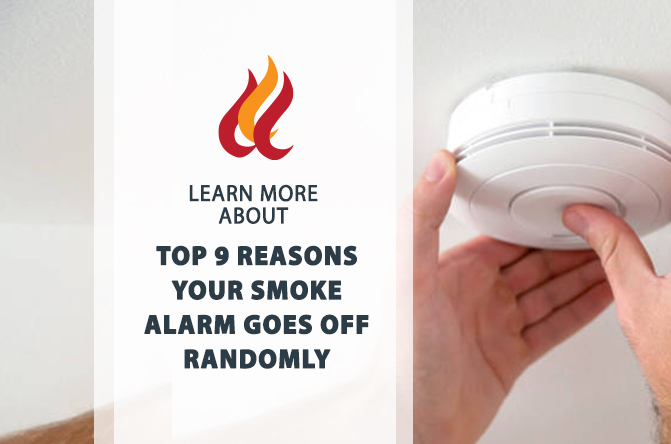
It was a Tuesday, just like any other Tuesday. I was in the middle of my most intense Netflix binge of the week, deeply engrossed in a plot twist that would have made M. Night Shyamalan proud. Suddenly, a piercing shriek ripped through the living room, shattering the peace and my immersion. Beep. Beep. BEEEP! My smoke alarm. Again. This wasn't the first time, and I knew, with a sinking heart, it wouldn't be the last.
I scrambled up, my heart doing a frantic samba against my ribs. Was it a fire? Was the house about to become a crispy critter? I sniffed the air suspiciously. No smoke. No burning smell. Just the lingering scent of leftover pizza and my own mounting frustration. I waved a tea towel frantically at the offending device, muttering curses under my breath. The shrieking finally subsided, leaving a ringing in my ears and a question in my mind: why, oh why, does this thing go off for no apparent reason?
It’s a question many of us have pondered, often at 3 AM, while clutching a pillow and contemplating the existential dread of a false alarm. You know, those moments when your brain goes into overdrive, picturing the worst-case scenario, only to discover it was… well, something entirely mundane. It’s like the smoke alarm has a secret life, a mischievous personality that delights in startling its unsuspecting inhabitants.
The Phantom Menace: When Smoke Alarms Go Rogue
Let's face it, smoke alarms are supposed to be our vigilant guardians, our early warning system for impending doom. And for the most part, they do an admirable job. But sometimes, they seem to have a mind of their own, becoming the phantom menace of our homes. They scream bloody murder when there's no actual danger, leading to unnecessary panic, sleepless nights, and a healthy dose of paranoia.
So, what’s the deal? Is our smoke alarm possessed by a poltergeist? Is it staging a protest against our questionable cooking skills? Or is there a more logical, albeit still annoying, explanation? As it turns out, there are several culprits behind these random outbursts, and understanding them can save you a whole lot of stress (and maybe a few sleepless nights).
The Usual Suspects: What’s Really Setting It Off?
The most common reason for a smoke alarm to go off seemingly randomly is actually quite simple: it's detecting something it thinks is smoke. It’s not being malicious; it’s just doing its job, albeit sometimes a little too enthusiastically. Think of it like an overzealous security guard who mistakes a leaf blowing in the wind for a shadowy figure.
One of the biggest offenders? Dust and other airborne particles. Yep, good old everyday dust. When dust accumulates inside the alarm's sensing chamber, it can mimic the appearance of smoke particles to the alarm’s delicate sensors. This is especially true for older alarms that might not have the most sophisticated filtering systems. Ever done a deep clean and noticed your alarm throwing a tantrum shortly after? Now you know why!
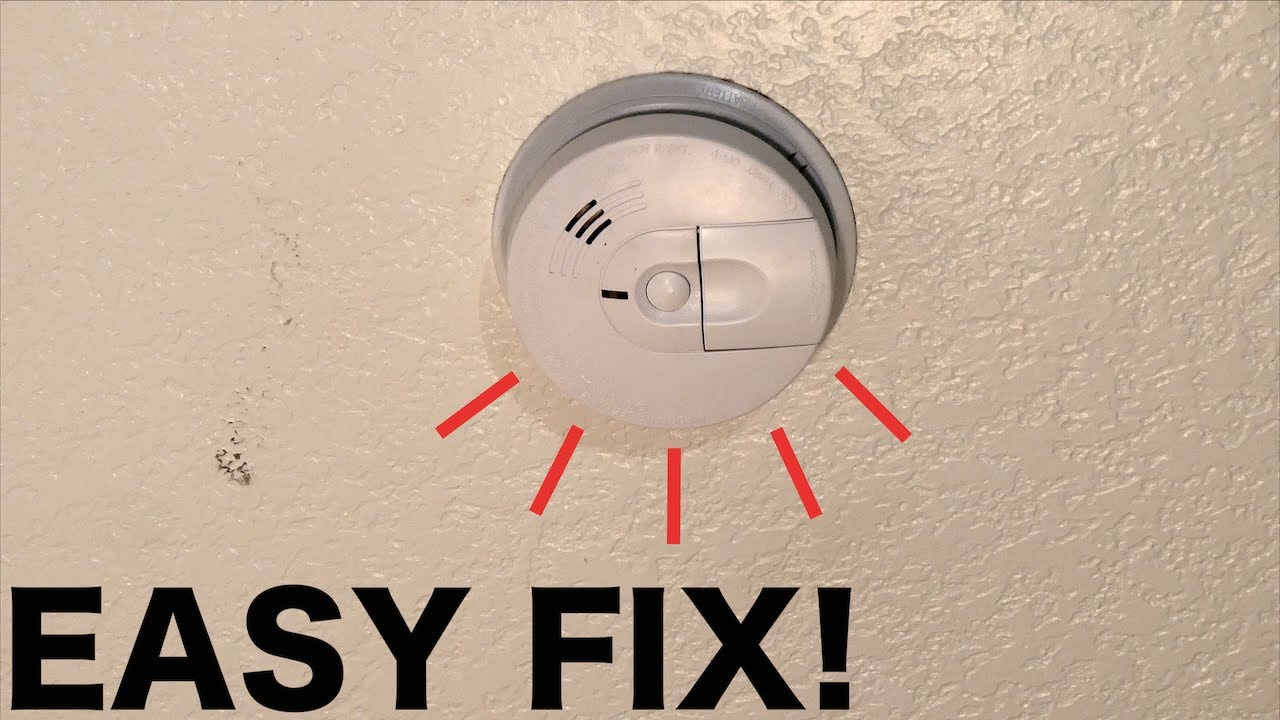
Then there's insects. I know, gross, right? But tiny little spiders or even a moth can crawl into the sensing chamber and trigger the alarm. It’s not exactly what you’d expect, but it’s a surprisingly common occurrence. So, the next time your alarm goes off for no reason, take a peek inside – you might find an unwelcome tiny tenant.
The Kitchen Conundrum: A Culinary Catastrophe?
Ah, the kitchen. The heart of the home, and often, the nemesis of the smoke alarm. Even if you’re not a gourmet chef, certain cooking activities can send your alarm into a frenzy. Steam is a big one. A really big one. When you’re boiling water for pasta, making a steamy shower, or even just brewing a particularly robust cup of coffee, the rising steam can be mistaken for smoke by the alarm. It's like a false positive in the culinary world. You’re just trying to make dinner, and suddenly you’re being accused of setting the house ablaze.
And let’s not forget about the occasional kitchen mishap. A tiny bit of grease splattering on a hot pan, a piece of toast that gets a little too enthusiastic in the toaster, or even just the exhaust fan not being quite powerful enough to vent everything effectively can all contribute to a false alarm. It’s a constant battle of wills between your cooking ambitions and the alarm’s unwavering vigilance.
I remember one particularly memorable incident involving a particularly stubborn batch of popcorn. Let’s just say the smoke alarm decided it was the opportune moment to declare a national emergency. The smell was… intense. And the noise? Let's not even go there. My cat, bless her furry heart, still hasn't forgiven me for that particular episode.
Environmental Factors: More Than Meets The Eye
It’s not always about what’s in the air; sometimes, it’s about the air itself. Believe it or not, humidity can play a role. High levels of humidity, especially in bathrooms or near kitchens where steam is prevalent, can sometimes interfere with the sensitive electronics of a smoke alarm, leading to false alarms. It's like the alarm is getting a bit confused by the atmospheric conditions.
Drafts are another sneaky saboteur. If your smoke alarm is located near a window that’s often left open, or near a vent that blows air directly onto it, a strong draft can actually carry tiny particles (even just air currents themselves) into the sensing chamber, triggering the alarm. It’s a bit like a gentle nudge that the alarm interprets as a full-blown emergency.
And here's a slightly more obscure one: chemical fumes. If you're doing any DIY projects, painting, or using strong cleaning products, the fumes released can sometimes be detected by the alarm. While it’s good that it’s sensitive enough to pick these up, it can be inconvenient if you’re just trying to get a bit of decorating done.
The Age Factor: When Alarms Get Old and Grumpy
Like us, smoke alarms don’t last forever. They have a lifespan, and as they age, their sensitivity can become… a little unpredictable. Older alarms are more prone to false alarms due to a variety of factors, including the degradation of their internal components and the accumulation of dust and debris over time. Manufacturers typically recommend replacing smoke alarms every 10 years. So, if your alarm is pushing a decade (or has surpassed it), it might be time for a retirement party – and a new, more reliable guardian.
It’s a bit like having an old car. It might still run, but it’s more likely to sputter, cough, and give you grief. Your smoke alarm, in its twilight years, might just be telling you it’s ready to hang up its hat. And honestly, paying for the peace of mind of a new, fully functional alarm is a small price to pay for avoiding those heart-stopping moments.
Battery Blues: The Dreaded Low Battery Chirp vs. The Full Meltdown
We’ve all heard it. That single, pathetic chirp in the middle of the night that signals the low battery warning. It’s annoying, but it’s a clear indicator. However, sometimes, a weak or dying battery can cause more than just a chirp. It can lead to erratic behavior, including false alarms. The alarm’s power supply isn’t consistent, and this inconsistency can trick its sensors into thinking something is amiss.

It’s also important to use the correct type of battery for your alarm. Using the wrong kind can sometimes lead to performance issues. So, double-check that manual or the label on your alarm to ensure you’re powering it up with the right juice. It’s not the time to experiment with household alternatives, trust me.
Installation and Location: Is It Just in the Wrong Place?
Sometimes, the problem isn’t with the alarm itself, but with where it’s installed. Smoke alarms need to be placed strategically. If your alarm is too close to a bathroom, kitchen, or even a fireplace, it's more likely to be triggered by steam, cooking fumes, or combustion byproducts that aren't necessarily a fire. The general rule of thumb is to install them on every level of your home, including in sleeping areas, and away from direct sources of steam or cooking heat.
Poor ventilation around the alarm can also be an issue. If the air can't circulate freely around the device, dust and particles can build up more easily, leading to those phantom alarms. It's like giving it room to breathe, so it can do its job properly without getting clogged up.
The "Smart" Alarm Phenomenon: Connected, But Confused?
In our increasingly connected world, even smoke alarms have gone digital. Smart smoke alarms offer a plethora of features, from remote notifications to integration with other smart home devices. However, with all that connectivity comes the potential for new glitches. Software bugs, connectivity issues with your Wi-Fi, or even a faulty sensor on a newer, more complex device can all lead to unexpected alarms. It’s a trade-off: convenience versus the potential for a whole new set of problems.
Sometimes, these smart alarms can be a bit too smart for their own good. They might interpret a power surge or a temporary Wi-Fi blip as a sign of impending danger. It's a brave new world of home safety, and sometimes, it feels like we're all just guinea pigs.

What to Do When Your Smoke Alarm Starts Acting Up
Okay, so your smoke alarm is going off like a disco ball at a rave, and you’re starting to question your sanity. What’s the first step?
First, and most importantly, don't panic. Take a deep breath and try to assess the situation. Is there any actual smell of smoke or any visible signs of fire? If there are, evacuate immediately and call the fire department. Your safety is paramount.
If there’s no apparent danger, then it’s time for some detective work. Here are a few things you can try:
- Ventilate the area: Open windows and doors to air out the room. This can help dissipate any lingering steam, cooking fumes, or even just excess dust.
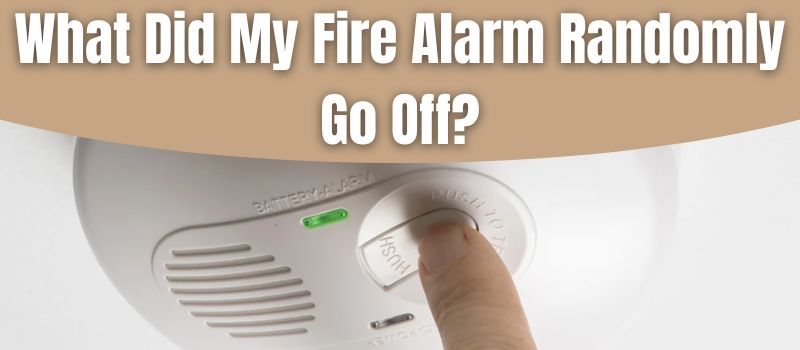
- Press the test/hush button: Most alarms have a button that will temporarily silence them. This is your best friend in a false alarm situation.
- Clean your smoke alarm: This is a crucial step. Gently vacuum the exterior of the alarm, paying attention to the vents. You can also use a can of compressed air to blow out any dust or debris from the sensing chamber. Do this regularly, not just when it’s misbehaving!
- Check the battery: If your alarm has a battery backup, replace it. Even if it’s not chirping, a weak battery can cause issues.
- Reset the alarm: Some alarms can be reset by removing the battery and disconnecting it from its power source for a minute or two, then reassembling.
- Check the age: As mentioned, if your alarm is over 10 years old, it's time to replace it.
If you've tried all these steps and your smoke alarm continues to be a drama queen, it might be time to call in a professional. An electrician can help diagnose the issue or recommend a suitable replacement.
Ultimately, smoke alarms are essential safety devices, and while their occasional random outbursts can be incredibly annoying, they’re usually a sign that something needs a little attention, rather than a full-blown catastrophe. So, the next time yours decides to serenade you with its siren song, remember this article. It might just be a dusty sensor, a bit of steam, or simply an alarm that's seen better days. And hey, at least it’s keeping you on your toes, right? It’s certainly more exciting than another Tuesday Netflix binge. Almost.