
Why Does My Period Blood Smell Sweet

Let's talk about something that's a regular (pun intended!) part of life for so many of us: periods. While we often discuss the ins and outs of our cycles, there's a particular scent that can sometimes leave people scratching their heads and wondering, "What's up with that?" Yep, we're diving into the fascinating, and dare we say, surprisingly sweet, smell of period blood. It might sound a little unusual, but understanding this aspect of our bodies can be incredibly empowering and demystify something many people quietly ponder. It's a topic that’s not always openly discussed, but knowing the 'why' behind these bodily sensations can be super useful, helping us feel more in tune with our amazing bodies.
So, why does period blood sometimes carry a sweet aroma? It's not magic, nor is it a sign of something being "off." Instead, it's a delightful interplay of chemistry and biology. The primary reason lies in the composition of menstrual fluid itself. Unlike the blood you might associate with a paper cut, period blood is a complex cocktail. It's a mixture of blood, of course, but also uterine lining tissue that the body sheds, vaginal secretions, and cervical mucus. This unique blend is what gives menstrual fluid its distinct characteristics, including its smell.
The sweetness you might detect is often due to natural sugars present in these various components. Think of it as a subtle, organic fragrance created by your body.
Let's break down the key players contributing to this sweet scent. Firstly, there's the endometrium, the inner lining of the uterus. This lining is rich in glycogen, a form of stored glucose, which is a natural sugar. When the body no longer needs the endometrium (and pregnancy hasn't occurred), it’s shed during menstruation. As this tissue breaks down, the glycogen within it can contribute to a mild, sweet odor. It’s not the overpowering, sugary scent of candy, but a much fainter, natural sweetness.
Secondly, we have vaginal secretions. The vagina naturally produces fluids to maintain its health and pH balance. These secretions contain various components, including sugars and other organic compounds. The combination of these secretions with the shed uterine lining and blood creates the overall scent profile of menstrual fluid. The bacteria that naturally reside in the vagina also play a role in this process. These beneficial bacteria, often referred to as the vaginal microbiome, help maintain a healthy environment. They metabolize sugars present in the vaginal secretions and menstrual fluid, and this metabolic process can sometimes produce aromatic compounds that might be perceived as sweet or slightly musky.
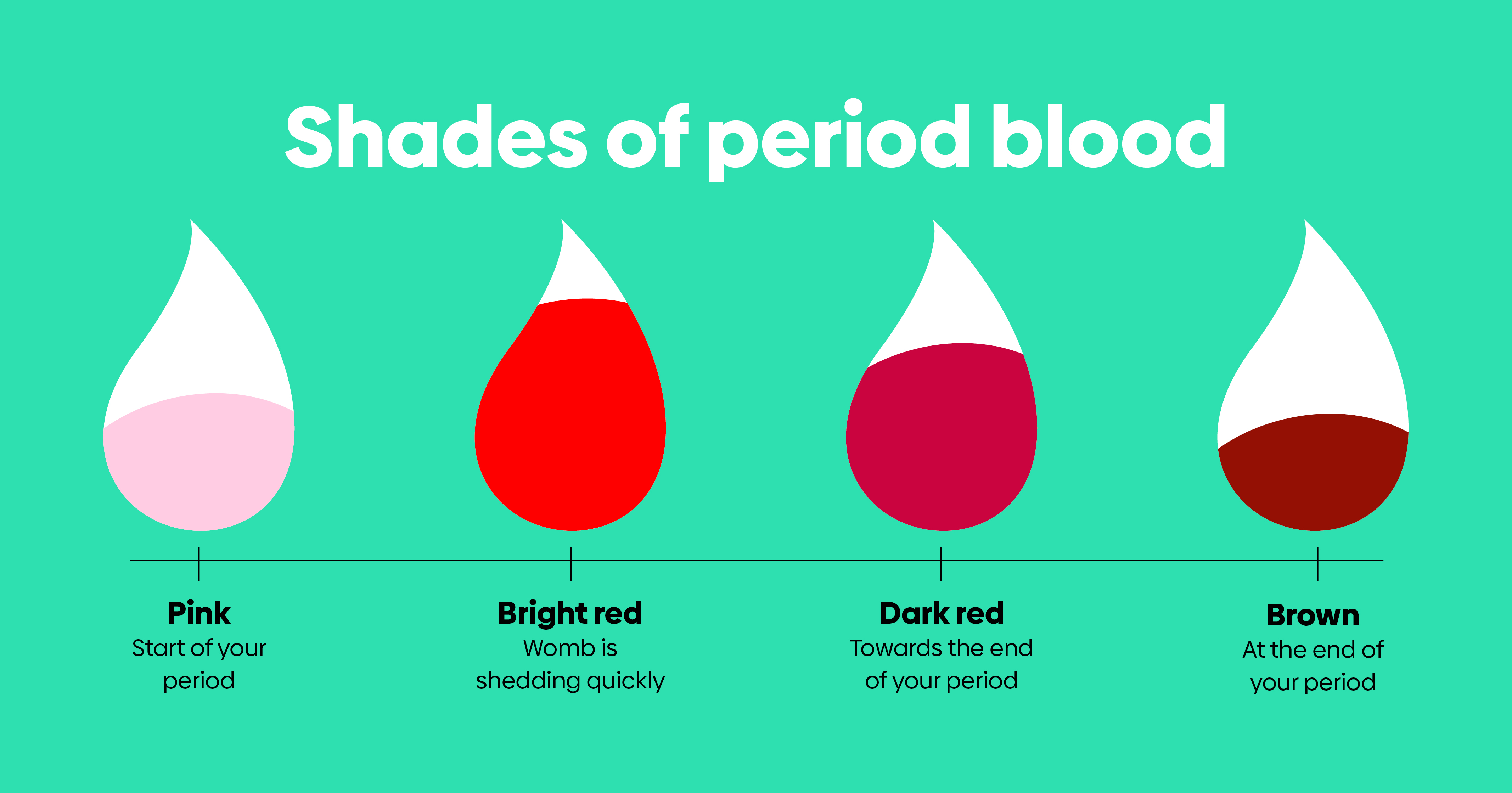
It's also important to distinguish between a "sweet" smell and other, potentially concerning odors. A typical, healthy period smell is often described as earthy, metallic, or, as we're discussing, subtly sweet. It's generally not overpowering. If you notice a strong, foul, or fishy odor, that could be a sign of an infection, like bacterial vaginosis (BV), and it's always a good idea to consult with a healthcare provider in such cases. But for that gentle, sweet scent? That's usually your body doing its thing beautifully and naturally.
The pH of the vaginal environment also plays a part. A healthy vagina typically has an acidic pH (around 3.8 to 4.5). This acidity is maintained by the beneficial bacteria and helps to keep harmful bacteria at bay. When menstrual fluid mixes with these secretions, the resulting pH and bacterial activity can influence the final aroma. The presence of certain sugars, particularly lactobacilli-derived lactic acid (which contributes to the acidity), can sometimes create a mild, sweet undertone.

Consider it a unique biological fingerprint. Just as each person's skin chemistry differs, leading to unique body odors, the composition of menstrual fluid can vary from person to person and even from cycle to cycle. Factors like diet, hormonal fluctuations, and overall health can subtly influence the odor of your period blood. So, if you've noticed a sweet smell and were a bit perplexed, know that you're not alone, and it's a perfectly normal and often quite lovely aspect of your body's natural processes. Embracing these bodily nuances helps us move away from any stigma and fosters a greater appreciation for the incredible, intricate workings of our bodies.
The benefits of understanding this are manifold. Firstly, it promotes body positivity and self-acceptance. When we understand the natural smells associated with our menstrual cycles, we're less likely to feel self-conscious or embarrassed. It's a reminder that our bodies are complex and capable of producing a variety of natural scents, all of which are perfectly normal. Secondly, it enhances body literacy. Knowing what's normal helps us to better identify when something might be different. While a sweet smell is typically benign, being familiar with your usual cycle scent can be a useful baseline for recognizing potential changes that warrant medical attention, such as an infection.
Furthermore, this knowledge can contribute to a more open and honest conversation about menstruation. By demystifying aspects like period blood odor, we can help to break down the taboos that still surround menstrual health. This empowers individuals to ask questions, seek information, and advocate for their own well-being without shame or hesitation. The sweetness you might detect is, in essence, a subtle whisper from your body, a testament to its ongoing health and the fascinating biological processes at play. It’s a gentle reminder that even the most ordinary aspects of our biology can hold a touch of natural wonder.