
Why Does My Facial Hair Grow So Fast
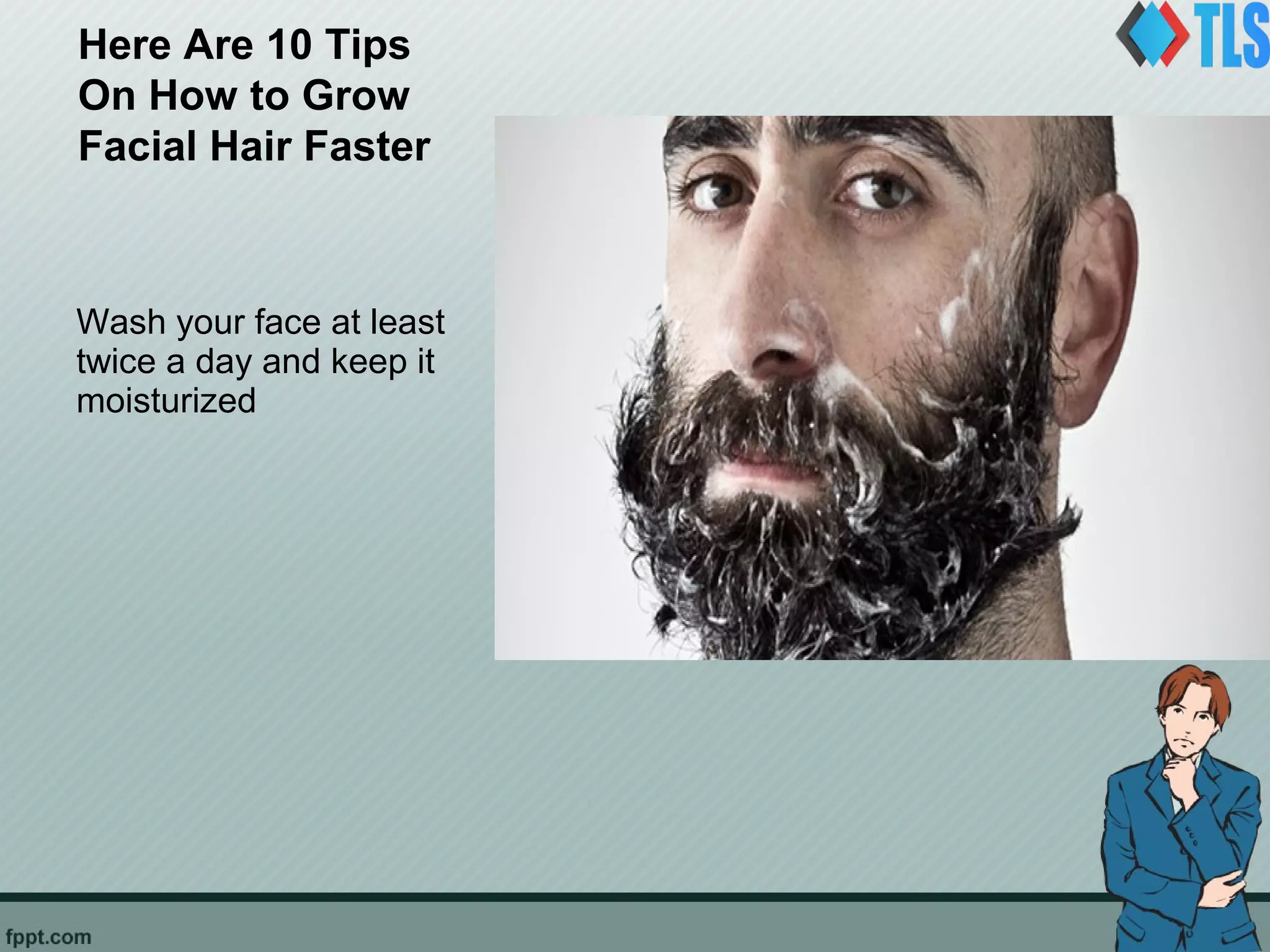
Ever found yourself staring in the mirror, a little amazed (or perhaps a little annoyed!) at the speed at which your facial hair seems to sprout? You’re not alone! The rapid growth of beards, mustaches, and stubble is a common, and often humorous, topic of conversation. For some, it’s a source of pride, a canvas for style. For others, it’s a daily battle with the razor. But beyond the daily grooming ritual, understanding why this happens can be surprisingly fascinating, offering insights into our biology and even our identity. It’s a peek into the amazing machinery that is the human body, and a topic that connects us all in a very tangible way. So, let’s dive into the wonderful world of facial hair growth and discover what makes it tick – or rather, sprout!
The Science Behind the Sprout
So, what’s the secret sauce behind that ever-present growth? It all boils down to a complex interplay of genetics, hormones, and the natural life cycle of your hair follicles. Think of your hair follicles as tiny factories, embedded in your skin, each dedicated to producing a strand of hair. These factories have their own internal clock, dictating when they’re active (growing) and when they’re taking a break (resting and shedding).
The primary driver behind facial hair growth, especially in men, is a group of hormones called androgens. The most well-known androgen is testosterone, but its more potent derivative, dihydrotestosterone (DHT), plays a starring role. These hormones act like a conductor, signaling to the hair follicles in your beard area to enter the growth phase. The density, thickness, and growth rate of your facial hair are largely determined by how sensitive your follicles are to these androgens. This sensitivity is, you guessed it, dictated by your genes. So, if your dad or granddad sported a magnificent beard that seemed to grow overnight, you’ve likely inherited a similar propensity!
Each hair follicle goes through a cycle consisting of three main stages:
Anagen Phase (Growth Phase): This is when the hair is actively growing. The cells at the base of the follicle divide rapidly, pushing the hair shaft upwards. For scalp hair, this phase can last for years, which is why hair can grow so long. However, for facial hair, the anagen phase is significantly shorter, meaning it doesn’t have the potential to grow as long as the hair on your head. This is why beards tend to have a certain length limit before they naturally shed.
Why Does My Facial Hair Grow So Fast (Beards, Mustaches, and Sideburns)

Catagen Phase (Transitional Phase): This is a short, intermediate phase where the hair follicle shrinks, and growth stops. The hair detaches from its blood supply.
Telogen Phase (Resting Phase): During this phase, the hair follicle is dormant, and the old hair eventually sheds. A new hair then begins to grow from the same follicle, starting the cycle all over again.
How to Grow Facial Hair: Effective Tips to Speed Up Growth

The speed at which your facial hair seems to grow is essentially a reflection of the length of the anagen phase in those specific follicles and the overall activity level stimulated by your androgens. For some individuals, these cycles are shorter and more synchronized, leading to a noticeable growth spurt. For others, the cycles might be longer or less synchronized, resulting in a slower, more gradual appearance of growth.
More Than Just Biology: Lifestyle and Other Factors
While genetics and hormones are the main players, other factors can subtly influence the appearance and rate of facial hair growth. A healthy lifestyle, for instance, can contribute to optimal hair health. This includes:

- Nutrition: A diet rich in vitamins and minerals, particularly biotin, zinc, and protein, supports healthy hair production. If your body is well-nourished, your hair follicles have the building blocks they need to function efficiently.
- Sleep: Adequate sleep is crucial for hormone regulation and cellular repair. During sleep, your body produces important hormones, including growth hormones, which can indirectly benefit hair follicle activity.
- Exercise: Regular physical activity can help boost testosterone levels, which, as we’ve discussed, is a key driver of facial hair growth.
- Stress: Chronic stress can negatively impact hormone balance and nutrient absorption, potentially affecting hair growth. Managing stress can therefore be beneficial for overall hair health.
It’s also worth noting that the perception of fast growth can sometimes be influenced by how often you’re grooming. If you’re shaving daily, you’ll notice new growth more quickly than if you only shave a couple of times a week. The stubble that appears after a day or two can seem quite significant, especially if you’re accustomed to a clean shave.
Ultimately, the rapid growth of your facial hair is a testament to your body's intricate biological processes. It’s a fascinating aspect of male development, driven by powerful hormones and encoded in your DNA. Whether you embrace it with a full beard, sculpt it into a stylish mustache, or keep it clean-shaven, understanding the science behind it adds another layer of appreciation for this unique and often very visible part of yourself.