
Why Does My Dogs Bum Smell Like Fish
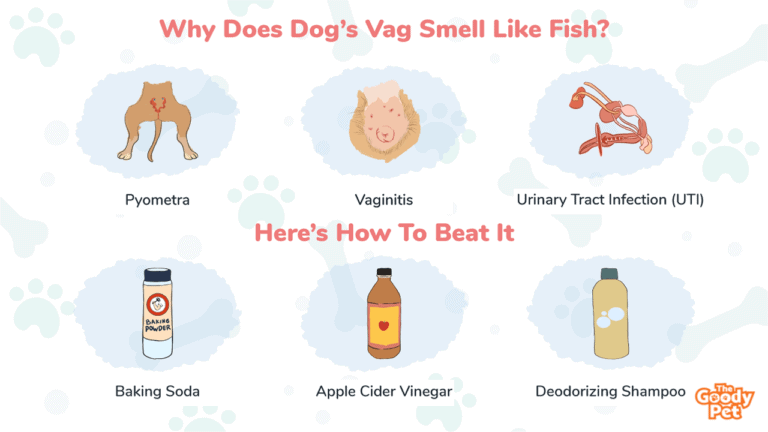
Ah, the age-old question that has perplexed dog owners for generations! It’s a topic that might make you wrinkle your nose, but trust us, it’s one of the most common and genuinely useful pieces of dog-owner knowledge you can acquire. Think of it as a secret handshake among canine companions. Understanding this particular aroma can actually tell you a lot about your furry friend's well-being, making you an even more attentive and informed pet parent. So, let’s dive into the curious case of the fishy posterior, shall we? It’s not just about enduring an unpleasant odor; it's about unlocking a deeper understanding of your dog's health and happiness.
Unlocking the Mystery: The Fishy Scent Explained
So, why exactly does your dog’s bum sometimes smell like a day-old catch from the local fish market? The primary culprit behind this distinct aroma is usually something quite natural and, frankly, essential to your dog's biology: their anal glands. These are two small sacs located on either side of your dog's anus, and they are filled with a foul-smelling, oily fluid. This fluid contains pheromones and other scent markers that dogs use for communication. Think of it as their personal scent signature, used to mark territory, identify themselves, and communicate with other dogs during greetings.
When your dog defecates, a small amount of this anal gland fluid is typically released. However, sometimes these glands can become impacted, meaning they don't empty properly. This impaction can lead to a buildup of fluid, causing discomfort for your dog and, you guessed it, a stronger, more noticeable fishy odor. It’s like a clogged drain – things start to back up and the smell becomes more prominent.
This impaction is often what causes that persistent, strong fishy smell. When the glands are full and perhaps a little irritated, the scent can become quite potent, wafting up during walks or when your dog is sitting or scooting. It’s a sign that something might need a little attention.
"Understanding this smell is key to recognizing potential health issues and ensuring your dog’s comfort."
Besides impaction, other factors can contribute to the fishy smell. Diet plays a significant role. If your dog's diet lacks fiber, their stools might be softer, and this can affect the natural emptying of the anal glands. Sometimes, a change in diet or an upset stomach can lead to temporary changes in stool consistency, which in turn can impact the anal glands. Allergies are another common cause. Food allergies or environmental allergies can lead to inflammation and irritation in the anal gland area, making them more prone to infection or impaction.
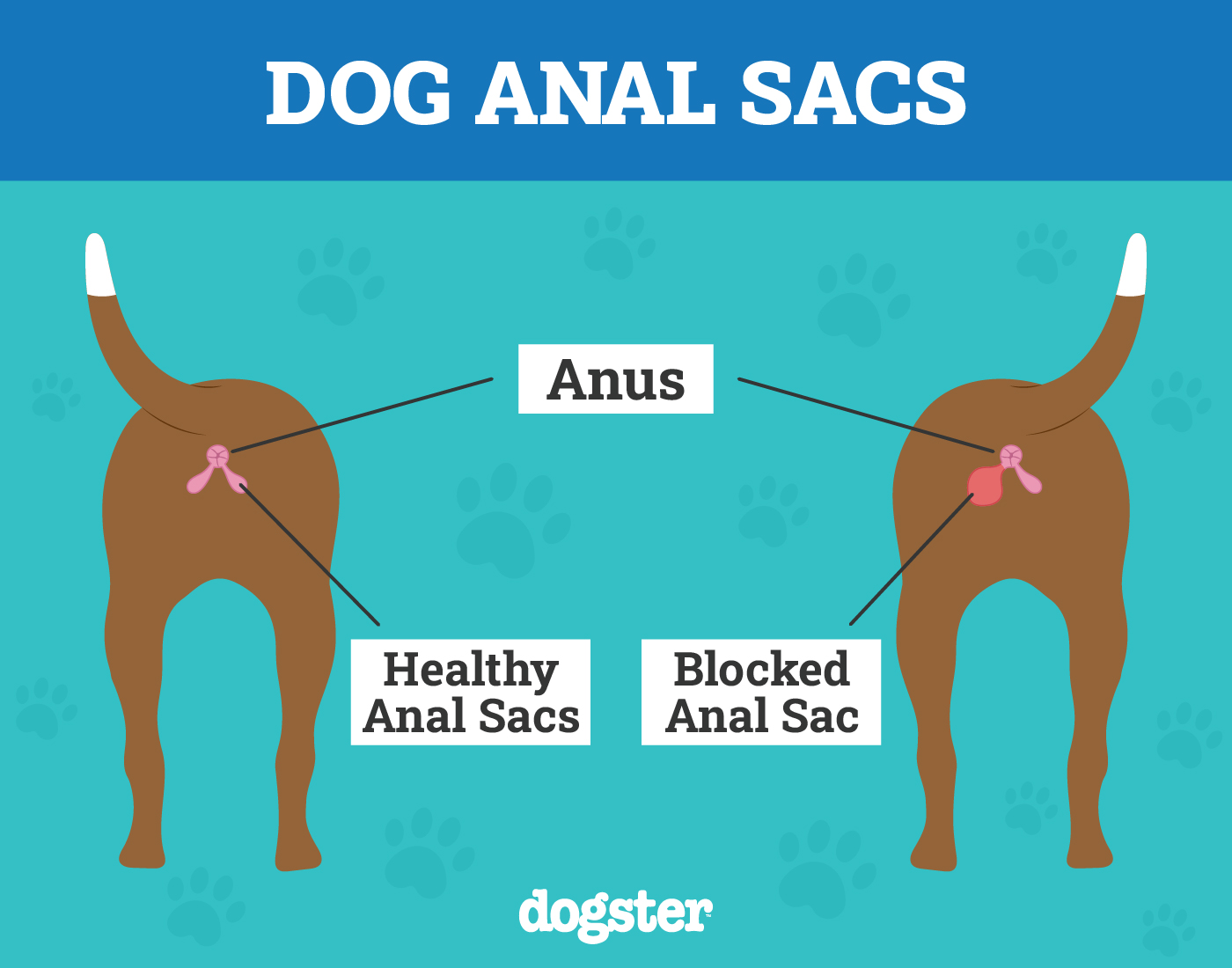
Furthermore, infections within the anal glands can also produce a strong, offensive odor, often described as fishy or metallic. If your dog is experiencing pain, swelling, or discharge from their rear end, it’s a clear indication that an infection might be present and requires veterinary attention.
The Benefits of Knowing and What to Do
So, why is it important to know about this fishy phenomenon? Recognizing this smell is beneficial in several ways:

- Early Detection of Health Issues: The fishy scent can be an early warning sign of anal gland problems, infections, or even dietary sensitivities. Catching these issues early can prevent them from becoming more serious and painful for your dog.
- Improved Comfort for Your Dog: Impacted or infected anal glands can be very uncomfortable and even painful for dogs. By identifying the smell and addressing it, you’re directly contributing to your dog’s comfort and well-being.
- Better Communication with Your Vet: When you can accurately describe symptoms to your veterinarian, it helps them diagnose and treat your dog more effectively. Knowing “my dog’s bum smells fishy” is a useful piece of information.
What can you do if you notice that persistent fishy smell? The first and most important step is to consult your veterinarian. They can examine your dog's anal glands, determine if they are impacted, infected, or if there's another underlying issue. The vet can then manually express the glands if they are impacted, prescribe medication for infections, or recommend dietary changes.
In some cases, your vet might recommend a diet rich in fiber to help firm up stools and aid in natural gland expression. For dogs with recurring anal gland issues, certain dietary supplements or even prescription diets might be suggested. Regular grooming by a professional groomer or even by you (if you're comfortable and have been shown how by your vet) can also help in monitoring and managing the anal glands.
Remember, while the smell might be unpleasant, it's a natural bodily function. Your awareness and proactive approach can make a world of difference to your beloved companion's health and happiness. Don't let the fishy odor be a source of embarrassment; let it be a prompt to show your dog a little extra love and care!