
Why Does My Cat Stick Out His Tongue
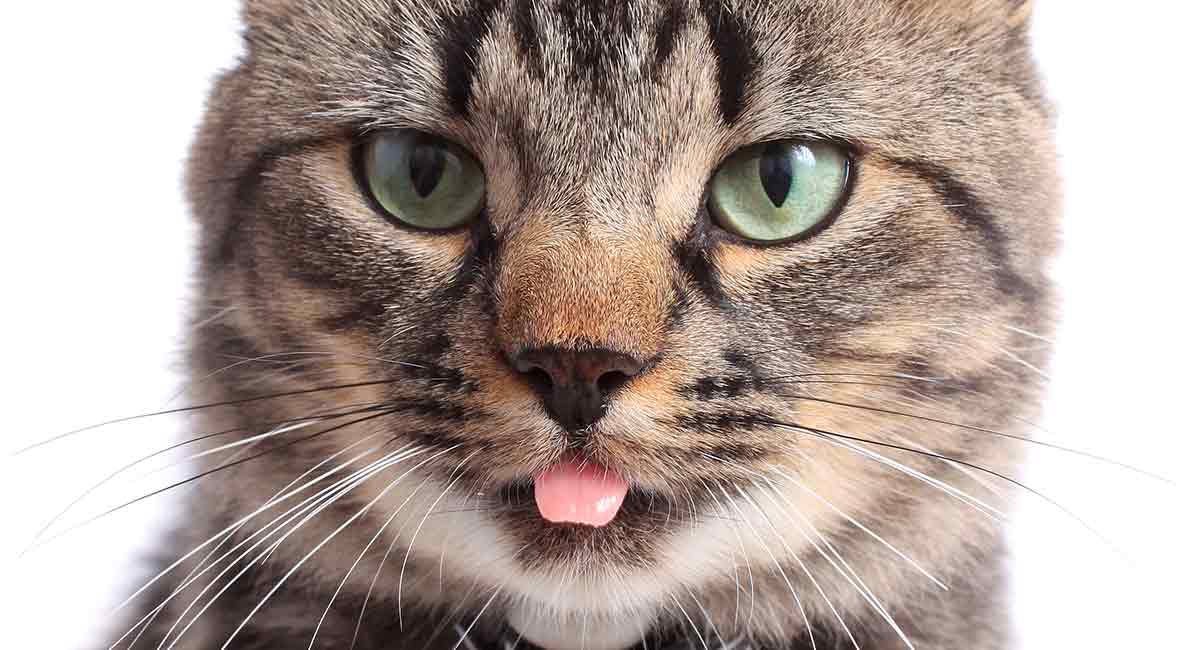
Ever caught your feline friend with their tiny pink tongue peeking out, just a little? It's one of those adorable, slightly baffling cat quirks that never fails to spark curiosity. Why do they do that? Is it a sign of something specific, or just a random flick of feline anatomy? Unraveling these little mysteries about our pets is part of the joy of sharing our lives with them, isn't it? It’s like discovering a secret language, one adorable gesture at a time.
The most common reason for that tell-tale tongue poke is something called the Flehmen response. Now, that sounds a bit dramatic, but it's actually a pretty sophisticated sensory tool. When your cat encounters a particularly interesting scent – perhaps a new visitor's perfume, a rival cat's marking, or even just a fascinating bug – they might lift their upper lip and stick out their tongue slightly. This action doesn't just let them taste it. Instead, it helps them direct that scent to a special organ in the roof of their mouth called the vomeronasal organ, or Jacobson's organ. Think of it like a second nose, specifically designed for analyzing pheromones and other complex chemical signals. By doing this, your cat is essentially getting a much richer, more detailed understanding of what they're smelling.
The benefits of this little trick are significant for cats. It allows them to gather crucial information about their environment and other animals. This is vital for survival, helping them identify potential mates, threats, or even just a tasty meal from a distance. In essence, they’re processing information that we, with our less specialized noses, might completely miss. It's a fascinating glimpse into how they navigate their world.
While we don’t have a vomeronasal organ ourselves, the concept of using our senses in specialized ways for learning and understanding is everywhere. Think about how a sommelier tastes wine, focusing on subtle notes, or how a chef smells ingredients to gauge freshness. Even in education, we encourage students to engage multiple senses – visual aids, auditory explanations, hands-on activities – to deepen their comprehension. In daily life, we might unconsciously use similar sensory analysis, like smelling milk to check if it's gone bad. Cats, with their Flehmen response, are just taking this sensory exploration to a whole new, and undeniably cute, level.
So, how can you explore this delightful behavior with your own cat? It's surprisingly simple! The next time you notice an interesting smell yourself, or if your cat seems particularly engrossed in something olfactory, observe them closely. You might see that subtle lip curl and tongue extension. You could even try introducing a new, safe scent into their environment. Perhaps a new toy with an interesting texture, or a natural herb like catnip (in moderation, of course!). Just watch and see if it elicits that curious reaction. Remember, patience and gentle observation are key. Don't try to force it; let it happen naturally. It’s a wonderful way to connect with your cat and appreciate the intricate world they experience through their amazing senses. It’s a small action with a big impact on their understanding of life!