
Why Does My Cat Drool When I Pet Him
Ever found yourself in a cuddle session with your feline friend, only to be met with a surprising, damp kiss? If your cat drools when you pet them, you're definitely not alone! This little quirk is a source of amusement and a bit of mystery for many cat parents, and understanding it can actually deepen your bond with your furry companion. It's a fun little puzzle that tells you a lot about what's going on in your cat's mind (and mouth!).
For new cat owners, this might be your first introduction to some of the more peculiar cat behaviors, and it's a great way to learn that cats express affection and contentment in diverse ways. Families with children can use this as a teaching moment, explaining to kids that their pet is feeling safe and happy. Hobbyists, those who are really into understanding animal behavior, will find this an interesting case study in feline communication, perhaps even noting differences between their own cats or comparing it to other pets.
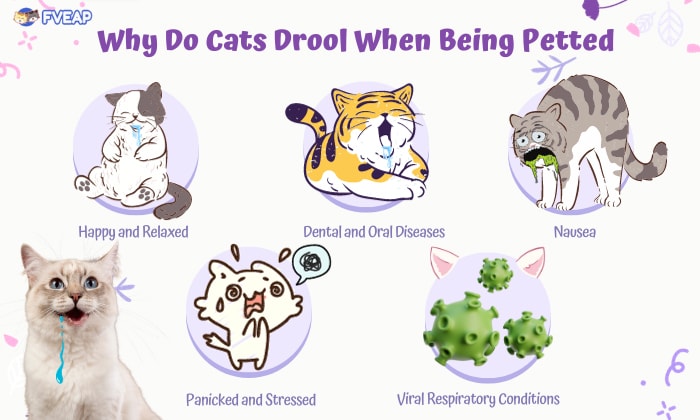
So, why does this happen? The most common reason for drooling during petting is a sign of extreme relaxation and happiness. Think of it like a human sighing contentedly or even having a little happy tear roll down their cheek. When your cat feels incredibly safe, loved, and comfortable with you, they might enter a state of bliss that triggers their salivary glands. This is often a carry-over from their kittenhood. Kittens often drool when nursing or being groomed by their mother, as it helps them relax and feel secure. This behavior can persist into adulthood as a way to signal deep trust and pleasure.
Another possibility is that your cat is simply very excited to be petted. Some cats get so worked up with anticipation and enjoyment that their mouths start to water. It's a similar feeling to how some people might get a little nervous and have a dry mouth, or conversely, get excited and their mouth waters. For cats, the excitement of a good petting session can manifest as drool.
Sometimes, though less commonly, drooling can be a sign of a mild medical issue. If the drooling is excessive, accompanied by other symptoms like lethargy, vomiting, or loss of appetite, it's always a good idea to consult your veterinarian. However, if it's just a little bit of drool during your petting sessions, and your cat seems otherwise healthy and happy, it's likely just a sign of pure joy!

Getting started with understanding this behavior is simple. First, observe your cat. When do they drool? Is it always during petting, or sometimes after? Do they purr loudly, knead with their paws, or seem generally relaxed when it happens? These are all good indicators of their emotional state. If your cat starts to drool, don't push them away. Gently continue petting and speaking in a soft voice. You can even try offering them a favorite toy or a treat afterward to reinforce the positive association. If you’re concerned about the amount of drool, you can always have a clean cloth or paper towel handy to gently wipe their chin.
Ultimately, a bit of drool during petting is usually just a sign that you’re doing a great job as a cat parent! It’s a sweet, albeit sometimes sticky, testament to the loving bond you share. Enjoy these moments of feline bliss; they’re a true sign of a happy and trusting companion.