
Why Does My Cat Bite Me Then Lick Me
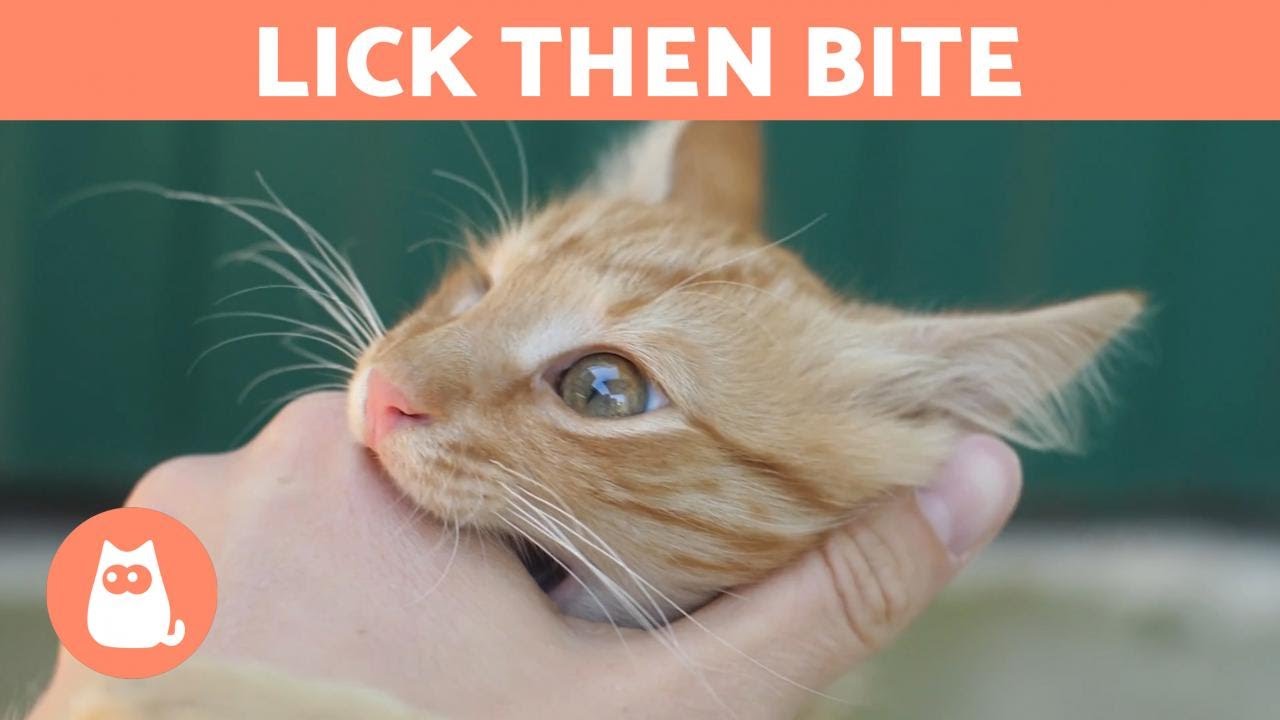
Ah, cats! Those enigmatic creatures that grace our homes with their presence, purrs, and… well, sometimes a little nip followed by a soothing lick. It’s a behavior that leaves many of us scratching our heads, wondering what exactly is going on in our feline friends’ furry little brains. If you’ve ever experienced the perplexing “bite then lick” phenomenon, you're definitely not alone! It’s a common, and frankly, quite fascinating quirk of cat behavior that’s as common as a cat nap in a sunbeam, and understanding it can really deepen your bond with your whiskered companion.
For the new cat parent, this article serves as your first peek behind the curtain of feline communication. It's about demystifying those sometimes-confusing signals so you can feel more confident in your interactions. For families with children and cats, understanding this behavior is crucial for ensuring safe and happy playtime, teaching kids to read their pet's cues and avoid startling them. And for the seasoned cat hobbyists or enthusiasts, it's about adding another layer of appreciation for the complex social dynamics of our beloved pets, a delightful puzzle piece in the grand tapestry of cat ownership.
So, why the sudden chompers followed by a tender lick? Think of it as a spectrum of affection, or sometimes, a gentle correction. One common scenario is when your cat is getting a bit too much attention. You're petting them, they're enjoying it, but then they reach their limit. That little nip is their way of saying, "Okay, that's enough for now, human!" But then comes the lick, which is often their way of saying, "But I still love you!" It’s a classic example of their dual nature – independent yet deeply affectionate. Another variation might occur during play. If you're engaging in a vigorous play session, and your cat gets a little overstimulated, they might give a quick, firm bite to signal that the play has become too intense, followed by a lick as a way to soothe both themselves and you, and reaffirming that the play is still generally a positive experience.
Getting started with understanding this behavior is wonderfully simple. It all boils down to observation and context. The next time your cat bites then licks you, take a moment to note what you were doing. Were you petting them in a sensitive spot? Were you playing a bit too roughly? Was it a soft nip or a more forceful bite? The more you pay attention to these subtle cues, the better you'll become at anticipating and understanding their needs. If the bites seem too hard or are accompanied by other signs of distress, it might be worth a chat with your vet or a feline behaviorist, but for the most part, this is just your cat talking their language.
Ultimately, the "bite then lick" behavior is a testament to the rich and nuanced relationship we share with our cats. It's a sign of their trust, their communication style, and their unique way of expressing both boundaries and affection. Embracing these quirky habits allows for a deeper connection and a more enjoyable, well, purrfect companionship.