
Why Does My Car Vibrate When I Brake
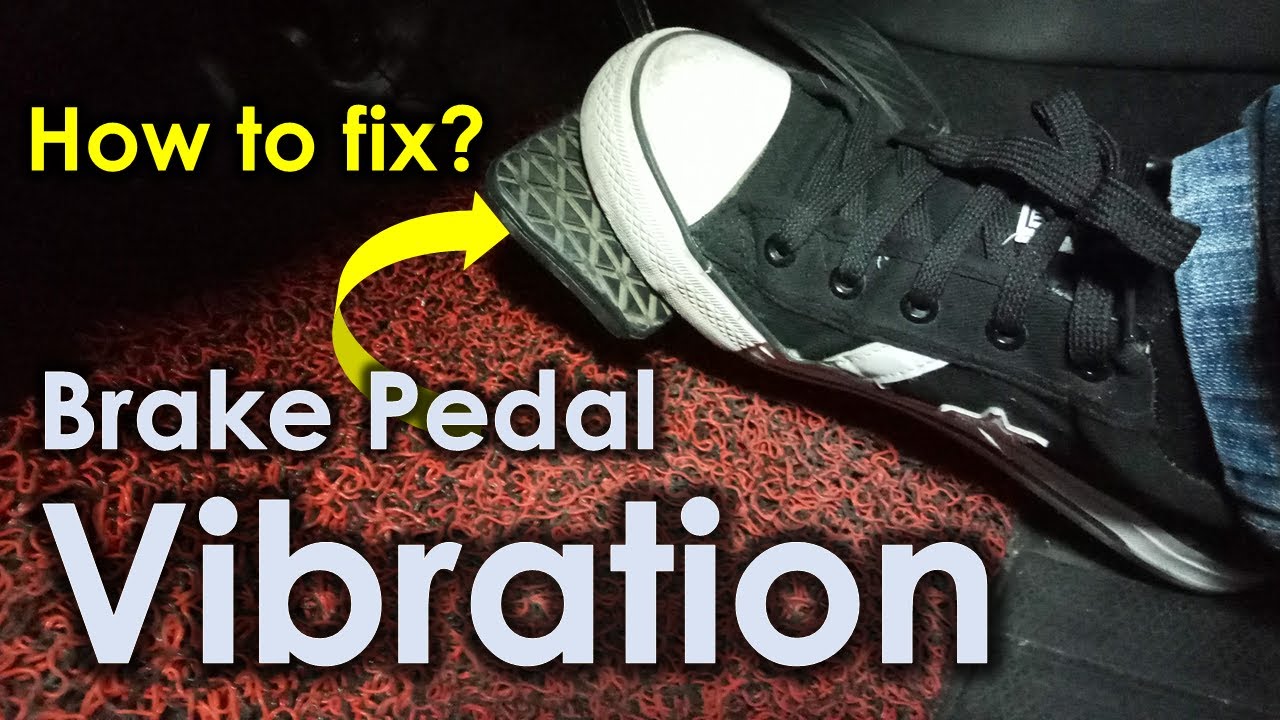
So, your trusty steed, your metallic companion, the object of your daily commute, has started to get a little… wiggly. Specifically, when you apply the brakes. It’s like the car’s trying to do a little jig, a shaky samba, a nervous shimmy just for you. You tap the brake pedal, and BAM! Your steering wheel starts doing the cha-cha. Or maybe it's a more subtle tremor, a gentle shudder that whispers, "Hey, something's afoot!"
First off, let's just acknowledge this weirdness. It’s not you. Well, not entirely. Your car isn't suddenly possessed by a tiny, disco-loving poltergeist. Although, wouldn't that be a story? "My car vibrates when I brake because a gnome lives in the brake caliper and he gets excited by friction." See? Funnier than the real reason. (But we’re not talking about gnomes today, are we? Nope.)
This shaking sensation, this automotive jitterbug, it’s a common phenomenon. A sort of secret handshake between your car and the pavement, but it's not a very polite handshake. It’s more like your car is nervously tapping its foot while you’re trying to have a serious conversation with gravity. "Just stopping here, folks! Nothing to see! Please ignore the quivering dashboard!"
You might have Googled it. We all do. "Car shaking when braking." The internet, in its infinite wisdom (and sometimes alarming technical jargon), will tell you things. Things about rotors and pads and calipers. It’s like a whole secret language for stopping. Think of it like this: your brakes are like your car's personal trainers. They have a tough job. They have to bring your multi-ton metal marvel to a halt. And sometimes, when they work really hard, they get a bit… over-enthusiastic.
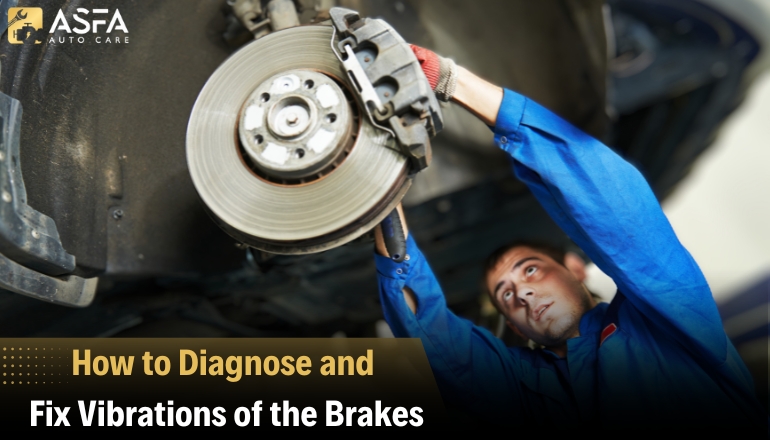
So, why the shudder? It's usually something to do with those aforementioned brake rotors. These are the big, shiny discs that your brake pads clamp down on. Imagine them like very important frisbees. When they're new and smooth, everything's good. But over time, and through the sheer heat and pressure of stopping, these frisbees can get a little warped. Think of it like a record skipping. That little hop and skip translates into a vibration that travels all the way up to your steering wheel.

Another culprit? Sometimes, it's the brake pads themselves. They can get worn down unevenly, or they might have accumulated some… debris. Like little bits of gravel or road grime that decided to have a vacation on your braking surface. When the rotor tries to spin past these unwelcome guests, it’s not a smooth ride. It’s more like trying to slide your hand over sandpaper versus polished glass. Not ideal for a smooth stop.
And then there are the calipers. These are the things that squeeze the pads onto the rotors. If a caliper gets a bit sticky, or if its little pistons aren't moving freely, it can cause uneven pressure. It’s like trying to clap with only one hand. It doesn't quite work, and it feels a bit awkward. Your car’s braking system feels awkward, and it communicates this awkwardness through vibration.

Now, here’s my little, possibly unpopular opinion. Sometimes, a little bit of vibration isn't the end of the world. I mean, if your car is just doing a polite little hum when you brake, and it still stops when you need it to, is it really a problem? It’s like a quirky personality trait. "Oh, that's just Brenda. She hums when she's thinking really hard." Your car is just humming its braking song.
But let’s be honest, it’s usually not just a polite hum. It's more of a violent shudder that makes you wonder if you're driving a race car preparing for takeoff, rather than a family sedan trying to stop at a red light. And in those cases, it's probably time to let a professional have a look. They’ll be able to tell you if your rotors need a polish, your pads need replacing, or if your calipers are staging a silent protest.
Think of your car’s brakes as its high-five. When they’re working perfectly, it’s a firm, confident high-five. When they’re vibrating, it’s more like a nervous, shaky high-five where you’re not quite sure if they actually want to touch your hand. It’s a little disconcerting. So, while my inner comedian might fantasize about gnome engineers, the practical part of me knows that a smooth stop is a happy stop. And a happy car makes for a happier driver. Even if it means saying goodbye to the car's little brake dance routine.
The key is to listen to your car. It’s trying to tell you something. And usually, that something is, "Hey, my stopping frisbees are a bit wobbly, and I’d appreciate it if you’d get them sorted." It’s not a complex philosophical question; it’s a practical request. And once those rotors are smooth and those pads are gripping just right, you’ll have that satisfying, silent, confidence-inspiring stop. No more car-disco. Just smooth sailing… or rather, smooth stopping.
And hey, if your car does start singing opera when you brake, definitely let me know. That’s a story I need to hear.