
Why Does My Back Hurt When I Breathe
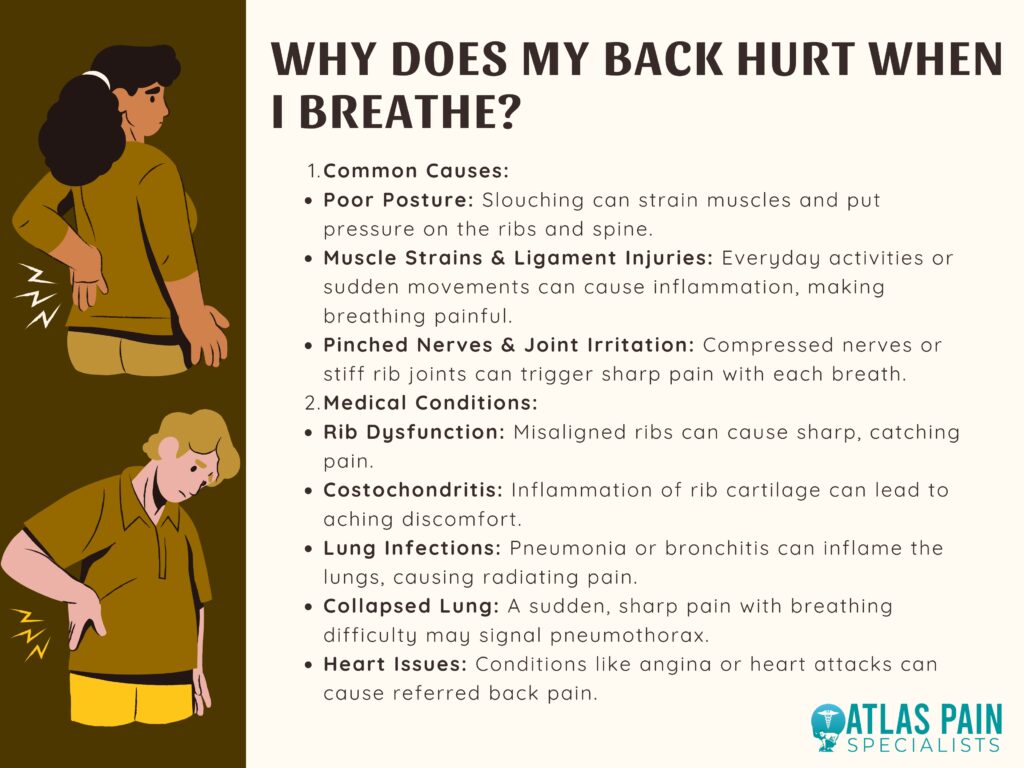
Hey there, back pain buddy! So, you’ve noticed something a little… peculiar? That little ouchie in your back seems to be synced up with your inhale and exhale. Weird, right? It’s like your lungs are having a little chat with your spine, and the conversation is a bit… noisy. Don't worry, you're not alone in this. Lots of folks experience this, and it’s usually not the end of the world. Think of it as your body's way of saying, "Hey, pay attention to me!"
Let's dive into this whole "back hurting when I breathe" phenomenon. It can be a bit of a mystery, and honestly, sometimes your body just throws you a curveball. But most of the time, there are some pretty straightforward reasons why this might be happening. So, grab a comfy seat, maybe put your feet up, and let's unravel this together. No complicated medical jargon here, just good old-fashioned chat. We’re going to keep it light, because who needs more stress when your back is already staging a protest?
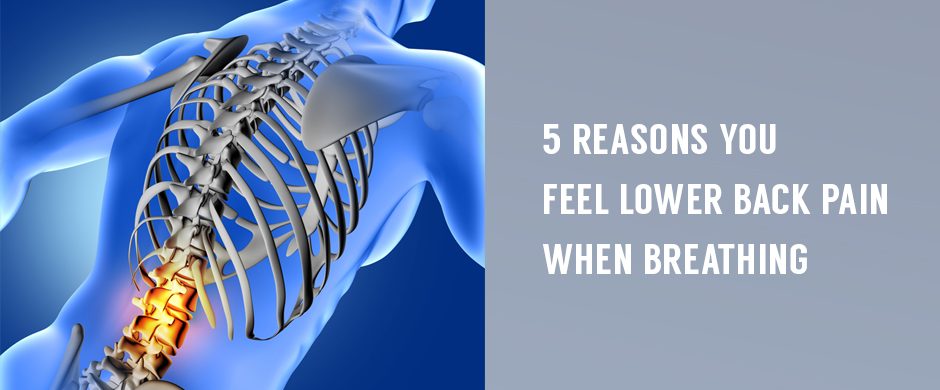
First off, let's acknowledge the obvious: your back and your lungs are pretty darn close neighbours. Like, really close. They share a lot of the same space in your torso, and they have to work together to, you know, keep you alive. Your diaphragm, which is the big muscle you use to breathe, sits right underneath your lungs and is connected to your ribs and spine. So, when you take a big, deep breath, all those structures are moving, stretching, and expanding. If something's a little out of whack in that neighbourhood, you're going to feel it.
Think of it like a bustling city. Your lungs are the busy downtown, the ribs are the skyscrapers, and your spine is the central nervous system, the highways and byways. When there's traffic congestion or a road closure (that's your pain!), everything else gets affected. Breathing is a constant, rhythmic activity, so if there's a glitch in the system, it's going to show up with every single breath. Pretty logical, when you stop and think about it. It's not like stubbing your toe, which is a one-off (ouch!) event. This is more like a recurring symphony of discomfort.
The Usual Suspects: What's Causing the Back-Breathing Blues?
Alright, let's get down to the nitty-gritty. Why is your back deciding to join the breathing party, and not in a good, supportive way? Here are some of the most common culprits:
1. Muscle Strain or Spasms: The Uninvited Guest
This is probably the most common reason your back might ache when you breathe. You might have overdone it at the gym, lifted something too heavy, or even just slept in a weird position. When your back muscles are strained or in spasm, they become super sensitive. Every time your rib cage expands and your diaphragm contracts, it pulls and stretches those unhappy muscles. Ouch!
Imagine your muscles are like a tightly wound rubber band. When you breathe, you’re gently tugging on that rubber band. If it’s already frayed or overworked, that tugging is going to feel… unpleasant. It can feel like a sharp jab, a dull ache, or even a burning sensation. Sometimes, it’s so bad you might even feel like you can’t take a full, deep breath because it hurts too much. Your body’s trying to protect the injured area by limiting movement, and boy, does breathing involve movement!
It’s like that one friend who always has a drama going on. Your back muscles can be like that, always needing attention. A little rest, some gentle stretching (when you’re not in acute pain, of course), and maybe some heat or ice can often work wonders. Don’t push it, though. Treat those muscles with a little TLC. They’ve earned it after all that hard work, even if they’re currently being a bit dramatic.
2. Intercostal Muscle Issues: The Rib Cage's Little Helpers
These are the muscles that run between your ribs. They help you expand and contract your chest cavity when you breathe. If these muscles get strained or inflamed, it can cause pain that you feel around your rib cage and can radiate to your back. When you inhale, these muscles are actively working, so if they’re unhappy campers, you’re going to feel it. It’s a direct connection between breathing and that pain.

Think of your intercostal muscles as the trusty sidekicks to your diaphragm. They’re always there, doing their job. But sometimes, they can get pulled or injured, maybe from a sudden cough, a sneeze that goes horribly wrong (we’ve all been there!), or even just from repetitive movements. When they’re sore, every single breath is a reminder. It’s like having a tiny, persistent alarm system going off with every inhale. Annoying, right?
Sometimes, this can feel like a sharp, stabbing pain, or a more persistent ache. It can also make you feel a bit breathless, or at least hesitant to take a deep breath, because you know what’s coming. Again, rest and avoiding activities that aggravate it are key here. Sometimes, deep breathing exercises, once the initial pain has subsided, can actually help strengthen these muscles and improve their function. It’s like coaxing them back into being a happy, supportive team.
3. Lung or Pleura Issues: The "Oh Crap" Category (But Usually Not!)
Okay, deep breaths. This one sounds a bit scarier, but in most cases, it’s NOT a serious lung problem. The pleura are the thin membranes that line your lungs and chest cavity. When these get inflamed (a condition called pleurisy), breathing can become quite painful. This pain is often sharp and worse with deep breaths or coughing.
However, pleurisy usually comes with other symptoms, like a fever, chills, or a dry cough. If your back pain is the only symptom, it's much less likely to be your lungs or pleura. But, if you have any other concerning symptoms, it's always best to get it checked out by a doctor. Better safe than sorry, as they say! Your lungs are pretty important, after all.
It’s like when you hear a weird noise in your car. It could be nothing, but it could be something serious. If it’s just a tiny squeak and your car is running fine, you might ignore it. But if it’s a loud clunking, you’re heading straight to the mechanic. Your body’s the same. If the pain is isolated to breathing and your back, and you have no other red flags, it’s probably one of the less dramatic causes. But if other weird stuff is happening, it’s time for a professional opinion.
4. Kidney Issues: A Less Common, But Possible, Contributor
Sometimes, pain in the upper back can be referred pain from your kidneys. If your kidneys are inflamed or infected, it can cause a deep ache in your flank area, which can sometimes feel like it’s in your back and worsen with breathing. This is usually accompanied by other symptoms like fever, pain when urinating, or changes in urine colour.
Again, if this is the case, you’ll likely have other signs that something is up. Kidney pain is often a more constant, dull ache rather than something directly tied only to the mechanics of breathing. But it’s worth mentioning because sometimes our bodies are clever (and confusing!) at sending pain signals to places they’re not originating from. It’s like a game of medical misdirection.
If you suspect kidney issues, definitely see a doctor. They can run tests to figure out what’s going on. Don’t try to self-diagnose this one, okay? We’re talking about your kidneys here, and they deserve expert care. No DIY kidney repairs allowed!
5. Costochondritis: Inflammation of the "Stairway to Heaven" Connectors
This is inflammation of the cartilage that connects your ribs to your breastbone (sternum). While it primarily causes chest pain, it can sometimes radiate to the back and be made worse by breathing. It’s like the cartilage around your ribs is having a little party, and that party is a bit painful.
It’s a bit of a mouthful, isn't it? Costochondritis. Sounds like a medieval disease, but it's actually quite common. The pain can be sharp or achy, and it can sometimes feel tender to the touch. Deep breaths, coughing, or sneezing can definitely aggravate it because they involve movement and pressure in that area.
This is another one where rest and avoiding aggravating activities are key. Over-the-counter pain relievers can also help manage the inflammation and discomfort. If you’re curious, gently pressing on the area where your ribs meet your sternum might reproduce some of that tenderness, which can be a clue. But again, no firm diagnoses from a blog post!
When to Be a Little Concerned (And When to Just Chill)
Most of the time, back pain with breathing is a temporary annoyance caused by muscle strain or tightness. You know, the usual suspects we just talked about. If it’s mild, it will likely resolve on its own with some rest and self-care. You might be able to take a deep breath without wincing after a day or two. Easy peasy.
However, there are times when you should definitely chat with a medical professional. If your pain is severe, persistent, or getting worse, that’s a sign to pay attention. Also, if you experience any of these other symptoms along with your back pain:
- Fever or chills
- Sudden shortness of breath or difficulty breathing
- Coughing up blood or discoloured phlegm
- Chest pain that radiates to your arm, jaw, or back
- Unexplained weight loss
- Numbness or tingling in your legs or arms
- Pain that wakes you up at night
Think of it like this: if your car makes a funny noise, but it’s still driving okay, you might monitor it. But if the check engine light comes on, or it starts sputtering and shaking, you’re heading to the mechanic immediately. Your body is your most important vehicle, so treat it with the same respect! We want to keep you running smoothly for a long, long time.

What You Can Do (Besides Freaking Out!)
Okay, so you’ve ruled out the doomsday scenarios (hooray!). What can you do to feel better? Here are some practical, easy-to-do things:
1. Rest and Relaxation: Your Back's New Best Friends
Sometimes, the best medicine is simply to take it easy. Avoid activities that aggravate your pain. This might mean skipping your intense workout for a few days or being extra careful when lifting things. Give your muscles and tissues a chance to recover. It’s like hitting the pause button on life for a bit.
Think of it as a mandated "me-time" for your back. And honestly, who can argue with that? Sometimes, just lying down on a comfortable surface and letting your body relax can make a world of difference. Gentle movements are usually okay, but if it hurts, stop. Listen to your body; it’s usually pretty good at telling you what it needs.
2. Gentle Stretching: Waking Up Those Sleepy Muscles
Once the acute pain has subsided, gentle stretching can be incredibly beneficial. Focus on stretches that target your back, chest, and shoulders. Think simple things like cat-cow pose, child's pose, or gentle twists. The goal is to increase flexibility and reduce stiffness.
However, be careful not to overstretch. You want to feel a gentle pull, not a sharp pain. It’s like slowly easing into a cold pool – you don’t just dive in headfirst! Start slow and gradually increase the range of motion as you feel more comfortable. Videos on YouTube are your friend here! Just search for "gentle back stretches for breathing pain."
3. Heat or Ice: The Classic Duo
Depending on the type of pain, heat or ice can provide relief. For muscle soreness and stiffness, a warm compress or a warm shower can help relax muscles. For more acute inflammation, an ice pack wrapped in a cloth can help reduce swelling and numb the pain.
Experiment to see which works best for you. Some people swear by heat, others by ice. You might even find that alternating between the two provides the best results. Just remember not to apply ice or heat directly to the skin for extended periods to avoid burns or frostbite. A good rule of thumb is 15-20 minutes at a time.

4. Posture Power: Standing Tall for Less Pain
Believe it or not, your posture can play a huge role in how your back feels, especially when you’re breathing. Slouching can put extra pressure on your spine and muscles, making them more prone to pain. Try to maintain a more upright posture, with your shoulders relaxed and your core engaged.
It’s like learning to walk tall. Imagine a string pulling you up from the crown of your head. This simple change can alleviate a lot of strain. It might feel unnatural at first, but the more you practice it, the more natural it will become. Your back will thank you for it!
5. Deep Breathing Exercises (When It Doesn't Hurt!): Reclaiming Your Breath
This might sound counterintuitive, but once the pain is manageable, practicing controlled, deep breathing can actually help. Focusing on your breath can help you relax, reduce muscle tension, and improve the overall mechanics of your breathing. It's about retraining your body to breathe without that associated pain.
Try diaphragmatic breathing, where you focus on expanding your belly as you inhale, rather than just your chest. This engages your diaphragm more effectively and can be less taxing on your upper back and shoulders. It’s a mindful practice that can bring a lot of relief. And hey, who doesn’t want a more mindful breath? It’s like a little mini-meditation session, powered by your lungs.
The Silver Lining: You're Listening to Your Body!
So, there you have it! Your back hurting when you breathe might seem like a strange quirk, but more often than not, it’s your body’s way of sending you a message. It’s a nudge, a gentle reminder, to pay attention. And the fact that you’re reading this, trying to understand it, means you’re already doing a great job of listening!
This little discomfort, while annoying, can be an opportunity. An opportunity to discover a new stretching routine, to be more mindful of your posture, or simply to give yourself permission to rest. It’s a chance to connect with your body on a deeper level and to appreciate the incredible way it works, even when it’s grumbling a bit.
Remember, your body is amazing. It’s constantly working to keep you going, to let you experience all the wonderful things life has to offer. So, the next time you feel that twinge when you inhale, don't get discouraged. Think of it as a friendly tap on the shoulder, a reminder to take care of yourself. You’ve got this! And with a little patience and self-care, you’ll be taking deep, pain-free breaths again in no time, ready to embrace whatever adventures come your way with a smile and a healthy, happy back!