
Why Do Toothaches Hurt More At Night

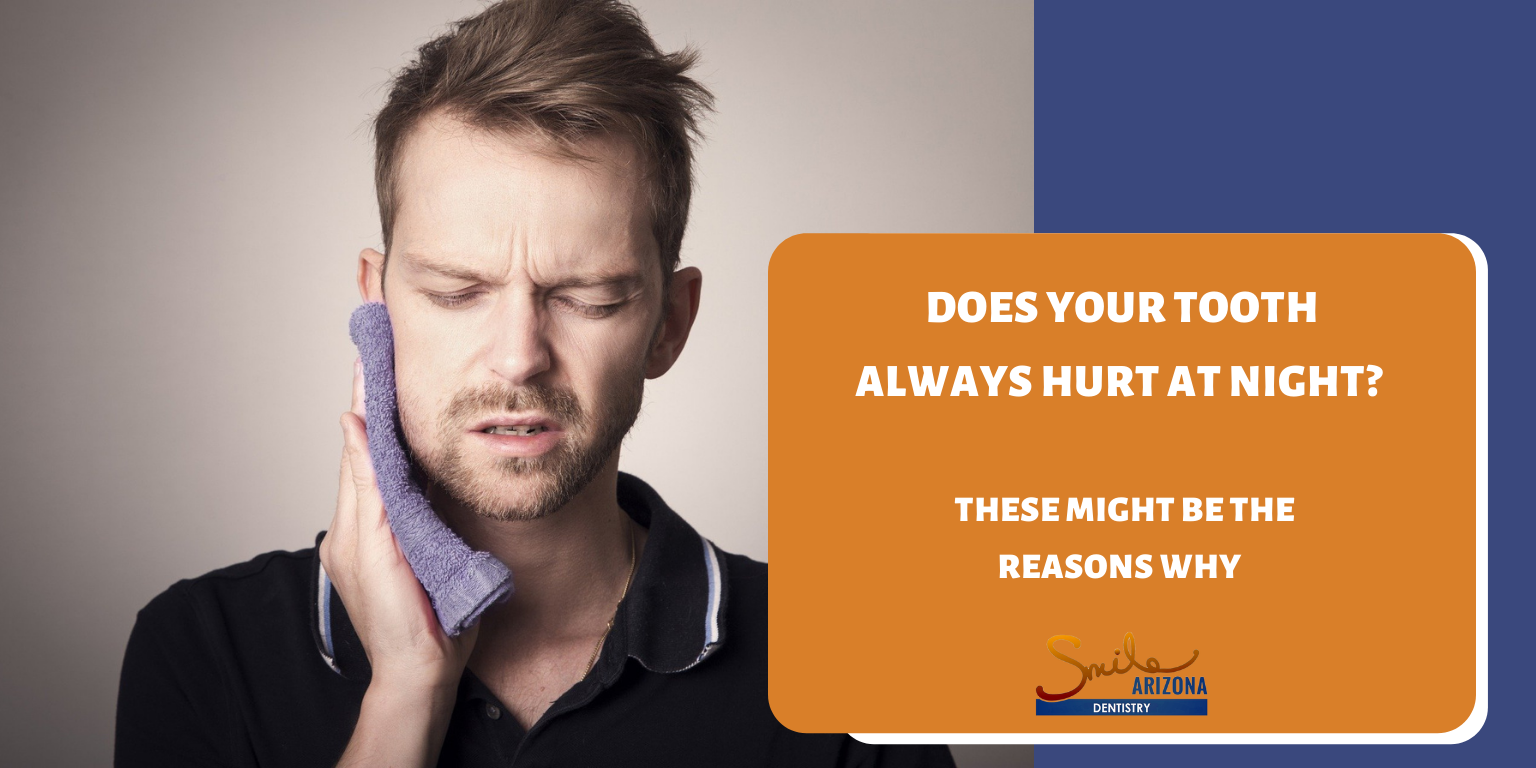
Ah, the dreaded toothache. It’s one of those universal joys, like stepping on a Lego in the dark or realizing you’ve forgotten someone’s birthday. But there’s a special kind of villainy to a toothache that decides to kick into high gear when the world around you is quieting down. You’re snuggled in bed, ready for some much-needed shut-eye, and suddenly, your tooth starts throwing a rave. Why does this happen? Is your molar just a night owl with a penchant for drama?
Let’s dive into this nightly dental dilemma, shall we? Think of your body as a super-complex, incredibly intuitive hotel. During the day, it’s buzzing with activity: receptionists (your brain’s conscious processing) are manning the desks, bellhops (your muscles) are running around, and the kitchen (digestion) is in full swing. But when night falls, the hotel’s management shifts. It’s time for maintenance, repairs, and a general wind-down.
The Pressure Play
One of the biggest culprits for those nocturnal toothaches is blood pressure. When you’re upright during the day, gravity is your friend. It helps to distribute fluids, including blood, throughout your body relatively evenly. However, when you lie down, especially flat, you change that gravitational pull. The blood flow to your head and, you guessed it, your mouth, can actually increase. Imagine all those little blood vessels in your teeth and gums getting a bit more… enthusiastic. This increased pressure can amplify any existing inflammation or sensitivity, making a minor ache feel like a full-blown siren.
It’s like when you’re filling up a balloon. If you hold it vertically, the water is mostly at the bottom. But if you lay it flat, the pressure is more evenly distributed. Your mouth, when you’re lying down, is in a similar, albeit less dramatic, state of fluid distribution. This simple physical change can be a major instigator.
The Distraction Factor
Another key player in the night-time toothache saga is the lack of distraction. During the day, your brain is a busy bee. You’re navigating work emails, planning your grocery list, listening to your favorite podcast, or maybe even engaging in some lively banter with friends. All these sensory inputs and mental activities act as a fantastic distraction shield. Your brain is too occupied to really focus on that subtle twinge in your molar.
But at night? When the world goes quiet, and your to-do list is (theoretically) checked off, your brain has plenty of bandwidth to devote to the sensations in your body. That tiny little niggle you barely noticed at 3 PM suddenly becomes the loudest, most insistent guest in your mental hotel. It’s like turning down the volume on all other channels so you can clearly hear that one annoying squeak in your car. Your nervous system is essentially saying, "Okay, you've got my full attention now, tooth!"
The Core Body Temperature Shift
Did you know your body temperature naturally fluctuates throughout the day? It tends to be highest in the late afternoon and evening and lowest in the early morning hours. While this might seem like a minor detail, it can actually play a role in how you perceive pain. When your body temperature drops slightly at night, it can lead to changes in blood flow and nerve sensitivity, potentially making pain signals feel more prominent. Think of it as a subtle recalibration of your internal thermostat, and sometimes, that recalibration includes turning up the volume on discomfort.

This phenomenon is also why some people find that certain chronic pain conditions seem to ebb and flow with their body’s natural rhythms. It’s a fascinating interplay between our internal biology and our external environment, even if that environment is just your quiet bedroom.
The Inflammatory Response
Inflammation is your body's natural response to injury or infection. When you have a toothache, it's usually due to some form of inflammation – perhaps a cavity has reached the nerve, or your gums are infected. During the day, your body’s natural anti-inflammatory responses are more active. Your immune system is on patrol, and various biological processes are working to keep things in check.
However, as the day winds down and your body prepares for rest, some of these natural defenses can also take a break. This doesn't mean your immune system shuts down entirely, but the rate of inflammatory processes can change. For someone already dealing with tooth pain, this slight shift can allow the existing inflammation to feel more pronounced. It’s like a guard dog that gets a bit more relaxed when it’s not actively patrolling, allowing any lingering troublemakers to feel a bit bolder.
Cultural Whispers and Fun Facts
The idea of nighttime pain being worse isn't exactly new. Throughout history, people have documented this phenomenon. Think of ancient healers and their remedies for nighttime suffering. It's a common thread in human experience. In some cultures, there are even folk remedies and superstitions tied to nighttime pain, often involving specific herbs or rituals believed to ward off nocturnal aches.
And here’s a fun fact for you: Did you know that the word "toothache" itself has roots in Old English? It literally meant "tooth-ache." Not exactly groundbreaking, but it highlights how long this particular discomfort has been a part of our lives! Also, the common advice to sleep with your head elevated? It's not just for snoring; it’s a direct nod to the pressure play we discussed earlier. A little bit of ancient wisdom that still holds true today.

What Can You Do About It?
So, now that we understand the "why," let's get to the "what now?" Nobody wants to spend their nights tossing and turning, clutching their jaw. Thankfully, there are several proactive and reactive steps you can take.
Prevention is Key (As Always)
This might sound obvious, but good oral hygiene is your first and best line of defense. Brush twice a day, floss daily, and don't forget to visit your dentist for regular check-ups. They can catch problems before they become painful nighttime intruders.
Consider your diet. Sugary snacks and acidic drinks can erode enamel and make your teeth more sensitive. Try to limit them, especially before bed. A nice glass of water is a much better bedtime beverage for your teeth.
During the Day Strategies
If you're prone to tooth sensitivity, consider using a desensitizing toothpaste. These work by blocking the tiny tubules in your dentin, reducing the signals that reach your nerves.
When you feel a twinge, don't ignore it. Take a moment to assess. Is it a sharp pain? A dull ache? Knowing the type of pain can help you and your dentist pinpoint the cause.
Nighttime Survival Kit
Elevate your head: As mentioned, using an extra pillow or two can help reduce blood flow and pressure to your head. This is a simple, yet surprisingly effective trick.
Gentle rinsing: A warm salt water rinse before bed can help soothe inflamed gums and can have a mild antiseptic effect. Mix about half a teaspoon of salt in a glass of warm water.
Over-the-counter relief: For acute pain, an over-the-counter pain reliever like ibuprofen or acetaminophen can provide temporary relief. Always follow the dosage instructions on the packaging.
Cold compress: If there's swelling, applying a cold compress to the outside of your cheek can help reduce inflammation and numb the area. Just don't overdo it – 15-20 minutes at a time is usually sufficient.
Distraction techniques: If you find yourself unable to sleep due to pain, try a gentle distraction. Listen to a calming audiobook, a soothing podcast, or some quiet instrumental music. The goal is to shift your focus away from the discomfort.

Herbal remedies (use with caution): Some people find relief with natural remedies like a drop of clove oil (diluted!) applied to a cotton swab and dabbed onto the affected tooth (avoid the gums directly as it can be irritating). Clove oil contains eugenol, which has natural anesthetic properties. However, it's always best to consult with your dentist or a healthcare professional before trying any new remedies, especially if you have other health conditions.
When to Call the Cavalry (Your Dentist!)
While these tips can help manage the discomfort, it's crucial to remember that they are often temporary solutions. If your toothache is persistent, severe, accompanied by fever, swelling in your face or jaw, or difficulty swallowing, it's time to call your dentist immediately. These could be signs of a more serious infection that needs professional attention.
Think of your dentist as your dental superhero. They have the capes, the tools, and the knowledge to tackle those tricky tooth issues. Don't let fear or procrastination stand between you and a pain-free smile.
A Little Reflection
It’s funny how our bodies communicate with us, isn’t it? Sometimes, they whisper gentle hints, and other times, they sound the alarm with a full-blown toothache rave at 2 AM. Those nighttime aches are a stark reminder that our bodies are always working, always responding to the subtle shifts in our environment and internal state. They’re a nudge from our biology, urging us to pay attention, to take care, and to seek balance. Much like the gentle hum of life that continues even in our sleep, our teeth and gums have their own rhythms, and when those rhythms are disrupted, we feel it most acutely when the world falls silent.
So, the next time your tooth decides to become the star of a midnight performance, remember the science behind it. It’s not just a random act of dental rebellion; it’s a complex interplay of pressure, distraction, and your body’s own fascinating internal clock. And with a little knowledge and preparation, you can hopefully dim the spotlight on that discomfort and reclaim your peaceful slumber.