
Why Do I Get White Spots On My Teeth
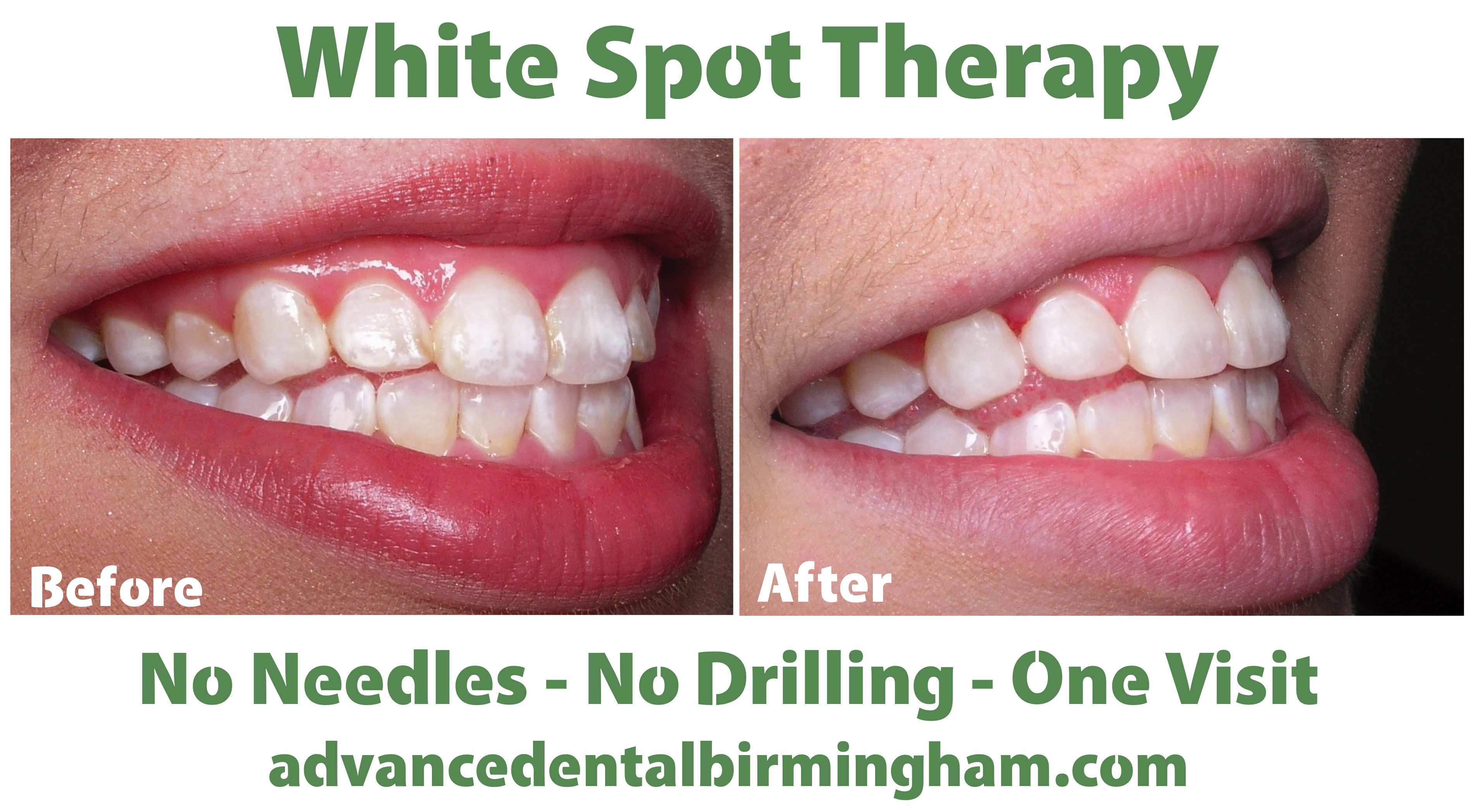
Ever caught a glimpse of your smile in the mirror and noticed those curious white spots popping up on your pearly whites? You’re definitely not alone! It's a common dental mystery that pops up for a lot of people, and understanding why can actually be quite fascinating. Think of it as a little dental detective work, but the clues are right there on your teeth! This is a topic that's useful for pretty much everyone who has teeth, and honestly, a little bit of dental knowledge makes for a more confident and healthy smile.
So, who can benefit from a little chat about these white spots? For beginners in the world of oral hygiene, it’s a fantastic way to learn about the basic health of your teeth. Knowing the causes can help you prevent them or understand what your dentist might be talking about. For families, especially those with growing kids, this information is gold! It can help parents be proactive about their children's dental care and address potential issues early on. And if you’re someone who likes to be informed about their health, then this is right up your alley – it's like having a mini-guide to your own mouth!
What exactly are these white spots, and what do they mean? The most common culprit is something called demineralization. Think of your tooth enamel, the outer layer, as a shield. When it loses some of its essential minerals, like calcium and phosphate, it can become weaker and appear whiter or chalky. This often happens when bacteria in your mouth produce acids that eat away at the enamel. Another common cause, especially for kids and teenagers, can be fluorosis. This happens when there's too much fluoride exposure during the tooth development stage. It’s not harmful, but it can create those distinctive white patches.
Sometimes, these spots are just a sign of something as simple as minor enamel wear or even surface stains that haven't quite taken hold yet. It's like your teeth are telling you a little story about what they've been through! Variations can include the size and intensity of the spots – some are barely noticeable, while others are quite prominent.

Ready to get started with understanding your smile better? It’s easier than you think! Firstly, practice good oral hygiene. This is your number one defense! Brushing twice a day with fluoride toothpaste and flossing daily are crucial steps. Secondly, pay attention to your diet. Sugary and acidic foods and drinks can contribute to demineralization, so try to limit them. Thirdly, if you’re concerned, don't hesitate to chat with your dentist at your next check-up. They are the experts and can give you personalized advice and confirm the cause of any white spots.
Learning about the little quirks of our teeth can be surprisingly rewarding. It empowers us to take better care of ourselves and ensures we can flash our smiles with confidence. So, the next time you notice a white spot, you’ll have a better idea of what’s going on, and that’s a pretty cool bit of knowledge to have!