
Why Do I Get Condensation On Windows
+(1)-1920w.jpg)
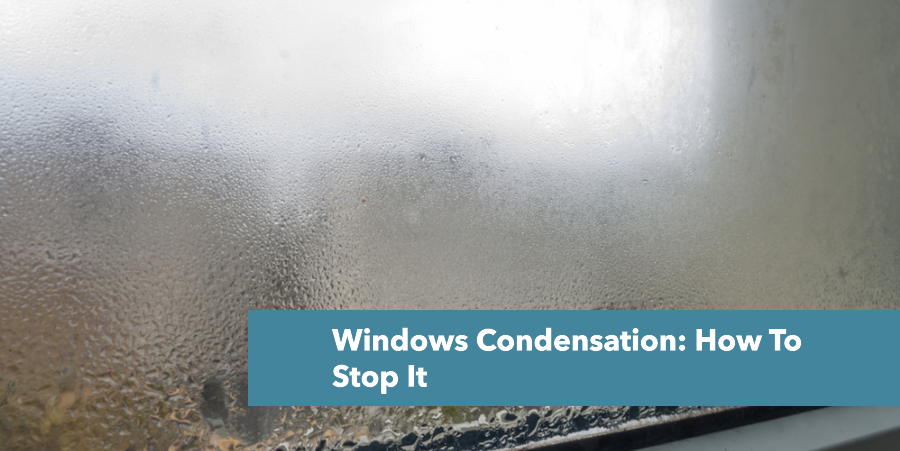
So, the other morning, I’m having my first coffee, gazing out at what I thought was a beautiful, crisp winter landscape. You know, the kind where the frost paints delicate ferns on the glass, and you feel all cozy inside with your warm beverage. Except, it wasn't frost. It was… droplets. Big, fat, undeniable condensation. My entire living room window looked like it had been crying. My first thought? "Did I leave the windows open all night in a blizzard?" (Spoiler alert: I did not.) My second thought? "Is my house slowly turning into a giant terrarium?" And then, the real question: "Why, oh why, is this happening to my windows?"
If you’ve ever looked at your windows and seen that misty veil, that damp sheen, or even those little rivers of water trickling down, you're definitely not alone. It’s one of those common household mysteries that can be a little bit annoying, and a little bit… well, unsettling. Like, is my house secretly trying to communicate something to me? Is it a secret message from the weather gods? Probably not. But it is a sign that something is going on, and understanding it is actually pretty fascinating. Let's dive into the science behind those foggy panes, shall we?
At its core, window condensation is all about temperature and moisture. Think of it like this: your windows are the coldest surfaces in your house during the winter. When warm, moist air comes into contact with these chilly surfaces, something magical (and sometimes messy) happens. That moisture, which is basically water vapor hanging out in the air, can’t stay in its gaseous form when it hits something cold. It has to *change. And it changes into liquid water. Voilà! Condensation.
Imagine a cold can of soda on a hot summer day. Ever seen those beads of water form on the outside? That’s the exact same principle, just in reverse. The air outside is warm and humid, and the can is cold. The water vapor in the air hits the cold can and turns into liquid. Your windows are the cold can, and the warm, moist air is the summer air.
So, where does all this moisture in your house come from? Oh, you might be surprised! It’s not just from the occasional leaky faucet. It’s from all the little things we do every day. Cooking, for example. Boiling water for pasta? That’s a big one. Taking a steamy shower or bath? Yep, that’s a prime culprit. Even breathing! We exhale moisture, and if you have a whole family tucked away in your home, that adds up. And don't forget about houseplants – they release moisture as part of their natural life cycle. Who knew your leafy friends were contributing to your window drama?
Then there's things like drying clothes indoors. If you don't have a dryer, or you prefer the "natural" look (and smell, sometimes!) of line-dried clothes, that damp laundry is essentially a humidifier for your home. And let's not even get started on humidifiers themselves. If you're using one to combat dry winter air, and you've cranked it up a bit too high, you're practically inviting condensation.
The Internal vs. External Showdown
Now, there are typically two places you'll see this condensation: on the inside of your windows, or the outside. And where you see it tells you a little story about the temperature differences at play.

The most common place, and the one that usually makes us scratch our heads, is inside condensation. This is your classic "winter blues" condensation. It happens when the air inside your home is warmer and more humid than the surface of your windowpane. As we discussed, that warm, moist air hits the cold glass, and the water vapor condenses. Easy peasy, right? Well, not always easy to fix!
The other type is outside condensation. This is actually a good sign! It means your windows are doing their job, acting as an insulating barrier. Outside condensation happens when the outside air is warm and humid, and your window’s inner surface is cooler than the dew point of the outside air. This is more common in the mornings during spring and fall, when the dew point is high and the morning air is still relatively cool. It’s like a refreshing drink for your windows. You don't need to worry about this one.
But the inside condensation? That’s the one we need to pay attention to. Why? Because too much of it can lead to some not-so-fun consequences. Think mold and mildew. That dampness is a perfect breeding ground for these microscopic party crashers. They love dark, moist environments, and your window frames and sills become prime real estate. And nobody wants that. Plus, it can eventually damage your window frames, your walls, and even the paint.
So, What's the Ideal Scenario?
Ideally, you want a balance. You want your home to be comfortable, but you also don't want it to feel like a sauna. The humidity level inside your home is key here. For most homes, especially during the winter, a humidity level between 30% and 50% is generally considered healthy and comfortable. Anything consistently higher than that, and you start to invite trouble.
Think of your home’s air like a sponge. The warmer the air, the more moisture it can hold. When that warm, moist air hits a cold surface, it’s like squeezing that sponge – the excess water has to come out. So, if your indoor humidity is too high, that sponge is just bursting with moisture, ready to condense at the first cold opportunity.
The temperature difference between the inside and outside is also a major player. The bigger the gap, the more likely you are to see condensation. This is especially true with older, single-pane windows. They just don't offer much in the way of insulation, so they get really cold on the inside when it's freezing outside.
The Culprits Behind Your Cozy, Yet Damp, Home
Let’s break down the usual suspects for high indoor humidity, because understanding the source is half the battle. You might be thinking, "But I'm a careful person! I don't try to make my house moist!" And I believe you! But these things can sneak up on you.
- Cooking: As mentioned, boiling water, steaming food, even just the natural evaporation from pots and pans can release a surprising amount of moisture into the air. Especially if you’re a regular chef, this is a big one.
- Bathing and Showers: That gloriously long, hot shower you love? Yeah, it’s a humidity factory. Opening the bathroom door right after without proper ventilation can let that steam spread throughout your house.
- Drying Clothes Indoors: Whether it’s a drying rack in the laundry room or draped over radiators, wet clothes are essentially releasing a constant stream of water vapor.
- Humidifiers: If you’re using one to keep your airways happy, make sure you’re not overdoing it. Too much of a good thing, right?
- Houseplants: While they’re great for air quality and aesthetics, they do release moisture through transpiration. If you have a jungle in your living room, it might be contributing.
- Leaky Pipes and Plumbing Issues: Less obvious, but a slow leak in a pipe or under a sink can create a hidden source of moisture that slowly infiltrates your home.
- New Construction or Renovations: Freshly poured concrete, new drywall, and paint all release moisture as they dry out. This is usually a temporary issue, but it can be significant.
- Poor Ventilation: This is a big one that ties into many of the others. If your home doesn't have adequate airflow, that moisture has nowhere to go.
It’s like a little ecosystem in your house, and sometimes that ecosystem gets a little too enthusiastic with its water production. And then, your windows become the unfortunate recipients of this excess moisture.
The "It's Cold Outside, So My Windows Sweat" Logic
Let's really nail down the temperature part. In the winter, the outside air is cold. This cools down the glass of your windows. Your windows, especially older ones, become the coldest surfaces in your rooms. Now, the air inside your house is usually much warmer, and as we've established, it contains moisture.

When this warm, moist indoor air comes into contact with the cold window glass, it can't hold onto all that moisture anymore. The water vapor in the air instantly cools down and transforms into tiny liquid water droplets. It’s a physical process called condensation. Think of it like dew forming on grass overnight. The grass cools down, and the moisture in the air condenses on it.
The bigger the temperature difference between the inside and outside, and the higher the humidity inside, the more pronounced this condensation will be. So, a very cold day with a very warm, humid house is a recipe for some serious window fog.
What to Do About Those Weeping Windows
Okay, so we know why it’s happening. Now for the part everyone really wants to know: what do we do about it? The good news is, there are several things you can try to reduce or eliminate window condensation.
The first and often most effective step is to reduce the indoor humidity. This sounds simple, but it requires being mindful of your daily activities.
- Use exhaust fans: Seriously, use them! Turn on the fan in your bathroom when you shower, and leave it on for a good 15-20 minutes after you’re done. Do the same in the kitchen when you’re cooking, especially if you’re boiling or steaming.
- Ventilate: Even on a cold day, opening your windows for just 5-10 minutes a few times a day can make a huge difference. It allows the moist indoor air to escape and be replaced with drier outdoor air. Yes, I know it sounds counterintuitive when it's freezing outside, but trust me on this one. It's like giving your house a good, quick breath.
- Dry clothes outside or in a vented dryer: If possible, avoid drying clothes indoors. If you must, make sure the room is well-ventilated or use a dehumidifier in that area.
- Check your humidifier: If you use one, make sure it's set to an appropriate level. Many have built-in hygrometers that can help you monitor the humidity.
- Cover pots and pans when cooking: This traps steam and reduces the amount of moisture released into the air.
- Wipe down surfaces: After showering or cooking, quickly wipe down any wet surfaces, including the windows themselves, to remove excess moisture.
Beyond humidity control, there are other things you can do:
:strip_icc()/GettyImages-1942028036-e611778a59874541a3d4848b713d0608.jpg)
Improve Air Circulation:
- Use ceiling fans: Even on a low setting, ceiling fans can help move air around your rooms, preventing pockets of humid air from settling near the windows.
- Rearrange furniture: Make sure that furniture isn't blocking vents or radiators, which can impede airflow.
Window Treatments:
- Insulating blinds or curtains: While not a cure-all, these can help create a slight buffer and keep the inner surface of the glass a bit warmer.
- Window insulation film: This is a cheap and effective way to add an extra layer of insulation to your windows. You apply a clear plastic film to the inside of your window frame with double-sided tape, and then use a hairdryer to shrink it taut. It creates an insulating air pocket.
Consider Your Windows Themselves:
If you have older, single-pane windows, they are the most prone to condensation. If condensation is a persistent and severe problem, and you've tried all the other solutions, it might be time to consider upgrading to double- or triple-pane windows. These have sealed air gaps filled with gas (like argon), which significantly improves their insulating properties and reduces the likelihood of condensation forming on the inside pane.
It's an investment, for sure, but it can also lead to significant energy savings in the long run. Plus, who doesn't love a clear view of that frosty winter wonderland (or the blooming spring garden) without the misty interference?
So, the next time you see those little water droplets forming on your windows, don't despair! It's not a sign that your house is falling apart. It's just a little science lesson playing out right before your eyes. A reminder that air has moisture, and temperature differences are real. And with a few simple adjustments and a bit of understanding, you can get back to enjoying those clear views, one fog-free pane at a time. Happy de-fogging!