
Why Do Dogs Lick Their Paws At Night
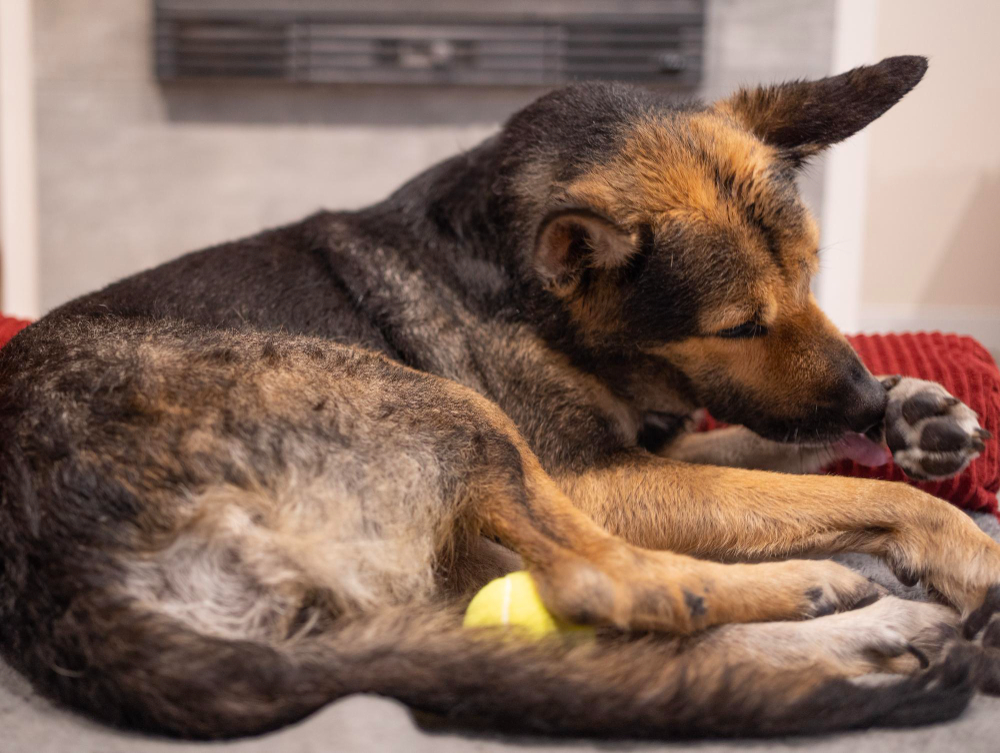
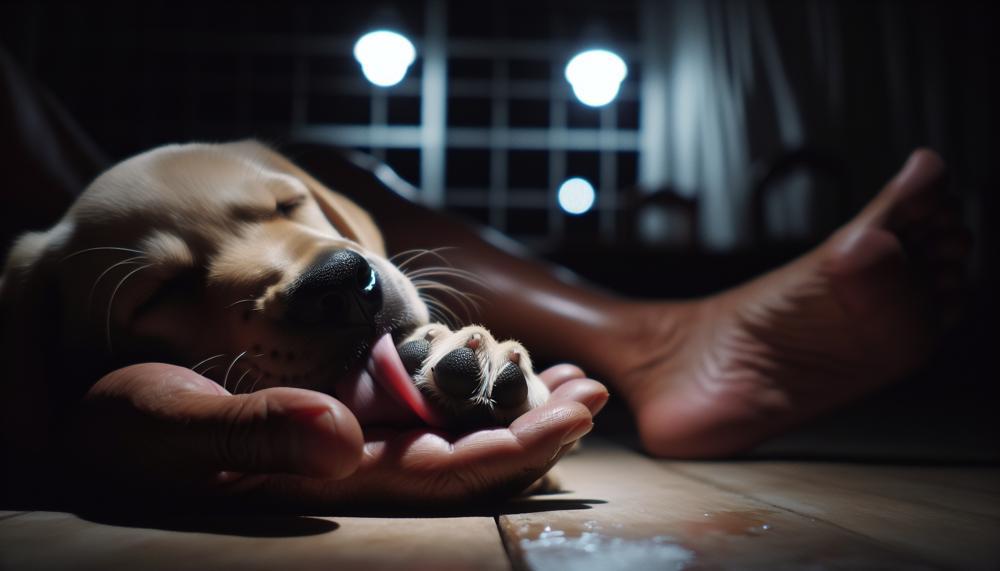
Hey there, fellow dog lovers! Ever find yourself staring at your snoozing canine companion, only to have your peaceful moment interrupted by… slurp, slurp, slurp? Yep, it’s that familiar sound. Your dog’s nighttime paw-licking symphony. It’s like they’ve got their own private ASMR channel going on, right? And it can leave you scratching your head. Like, seriously, buddy, what’s so fascinating about those little pads? You just spent all day not licking them, and now, BAM! It’s prime time for some serious paw attention.
So, why the sudden obsession with their feet? It's a question that pops into a lot of our heads, especially when we’re trying to drift off ourselves. Is your dog secretly a foot fetishist? (Probably not, let’s be real.) Are they just really, really dedicated to cleanliness? Or is there something a bit more… worrying going on? It’s a mystery wrapped in a fur coat, isn't it? We’ve all been there, listening to the rhythmic licking and wondering if we should be concerned or just roll over and try to ignore it.
Let’s dive into this paw-some puzzle together, shall we? Think of this as our little coffee chat about all things doggy digits. We’re going to break down the reasons, from the totally normal to the ones that might need a closer look from your vet. No need to panic just yet, okay? Most of the time, it’s nothing a good earplug can’t solve. But sometimes, it’s a signal. And who better to decipher those signals than us, their trusty humans?
The Totally Normal, Everyday Paw-Licking Fiesta
First things first, let's talk about the boring, but often true, reasons. You know, the ones that make you go, “Oh. Right. That makes sense.” Sometimes, dogs just lick their paws because… well, because they’ve been using them! Think about it. They walk on them, they run on them, they dig with them (sometimes in the forbidden flowerbeds, but we’ll forgive them). They get a bit dirty, a bit sweaty, a bit… lived-in. So, a little bit of grooming is perfectly natural. It’s their way of keeping things tidy, like us having a quick shower after a long day.
Imagine you’ve been hiking through a dusty trail all day. Your feet are probably not smelling like roses, right? Your dog’s paws are no different. Especially after a day of exploring, playing fetch, or even just navigating the thrilling landscape of your backyard. A quick lick to remove a stray bit of dirt or a tiny pebble lodged somewhere? Totally normal behavior. It’s like their personal spa treatment, just a little more… slobbery.
And then there’s the simple act of comfort. Dogs are creatures of habit, and they often find certain routines incredibly soothing. If your dog has always licked their paws at night, it might have become a ritual for them, a way to wind down. It’s like us having a favorite blanket or a bedtime story. It signals to their brain, “Okay, it’s time to chill out and get some sleep.” So, if your dog is otherwise happy, healthy, and not showing any signs of distress, their nightly paw-licking might just be their personal lullaby.
Think about it this way: Have you ever had a habit that’s just… yours? Maybe you tap your pen when you’re thinking, or you hum a little tune when you’re feeling relaxed. For some dogs, paw-licking is just that. It's a self-soothing behavior that they’ve adopted. It’s not necessarily a sign of anything wrong, just a quirky little personality trait. And honestly, in the grand scheme of things, a little bit of licking is far less annoying than, say, a dog who snores like a chainsaw. Just saying.
Sometimes, it's also a sign that they're just a little bored. Okay, maybe not bored in the human sense of staring at the ceiling. But if a dog is feeling a little understimulated, they might turn to whatever is available for entertainment. And what’s always there? Their own paws! It’s like finding a toy you forgot you had. “Oh hey, look at you! You’re still here!” And then the licking commences.
It’s a bit like how kids might find endless fascination in a simple cardboard box. Their imagination runs wild! For a dog, a paw can become an object of intense scrutiny and… well, licking. It’s not that they’re maliciously bored, but rather that they’re looking for something to occupy their minds. So, if your dog is getting plenty of exercise and mental stimulation during the day, this might be less of an issue.
Another common, and totally innocent, reason? Allergies. Yes, believe it or not, allergies can manifest in a dog’s paws. Think of it like us getting an itchy nose or watery eyes. For dogs, their paws can become itchy and irritated. And what’s the first thing you do when you’re itchy? You scratch, right? Well, dogs don’t have fingers for scratching their paws. So, they use their tongues! It’s a natural instinct to relieve that irritating sensation.
This can be due to environmental allergens, like pollen or dust mites, or even food allergies. The paws are constantly coming into contact with the environment, so they’re prime targets for allergens. If you notice your dog is licking their paws more than usual, especially during certain seasons, or if you’ve recently changed their food, this is definitely something to consider. It might not be just a quirky habit; it could be a sign of a deeper discomfort.
So, When Does the Paw-Licking Become a Problem?
Okay, so we’ve established that a little bit of licking is usually no biggie. But how do you know when to go from “aww, look at my cute, self-grooming pup” to “uh oh, something’s not right here”? That’s the million-dollar question, isn’t it? It’s all about the intensity and the context.
If your dog is spending a significant chunk of their evening, or even just a few minutes here and there, intensely licking one or more paws, that’s a red flag. We’re not talking about a quick, casual lick. We’re talking about a focused, almost obsessive, ritual. It's like they're trying to lick the fur clean off! If you can see them starting to irritate the skin, that’s a definite sign that something needs addressing.
Pay attention to their other behaviors too. Are they acting restless? Are they whining or seeming uncomfortable? Are they limping or favoring one paw? These are all clues that the licking isn’t just for fun. It’s their way of telling you, in dog language, “Hey! My paw is bothering me!” And we, as their humans, are supposed to be the interpreters, right? It’s a big responsibility, but also a pretty rewarding one.
Another big clue is redness or swelling. If you look at your dog’s paws and they’re pink, red, or even puffy, that’s a pretty strong indicator of irritation or inflammation. This could be due to an injury, an infection, or those pesky allergies we talked about. In these cases, the licking is a direct attempt to soothe the discomfort, and it’s often making things worse in the long run.
Think of it like this: If you have a small cut, you might lick it once. But if it’s really sore and inflamed, you’re going to be constantly touching it, trying to make it feel better, even if it’s not actually helping. Dogs are the same way. Their licking can create a moist environment, which can lead to further irritation and even bacterial or fungal infections. It’s a vicious cycle, and we want to break it for them.
And what about bald patches? If you’re noticing areas where the fur is thinning or completely gone on your dog’s paws, that’s a pretty clear sign of over-grooming. This usually comes from excessive licking. It’s not just about them being clean anymore; it’s about them damaging their own fur. This can be a sign of anything from mild anxiety to a more serious underlying medical condition.
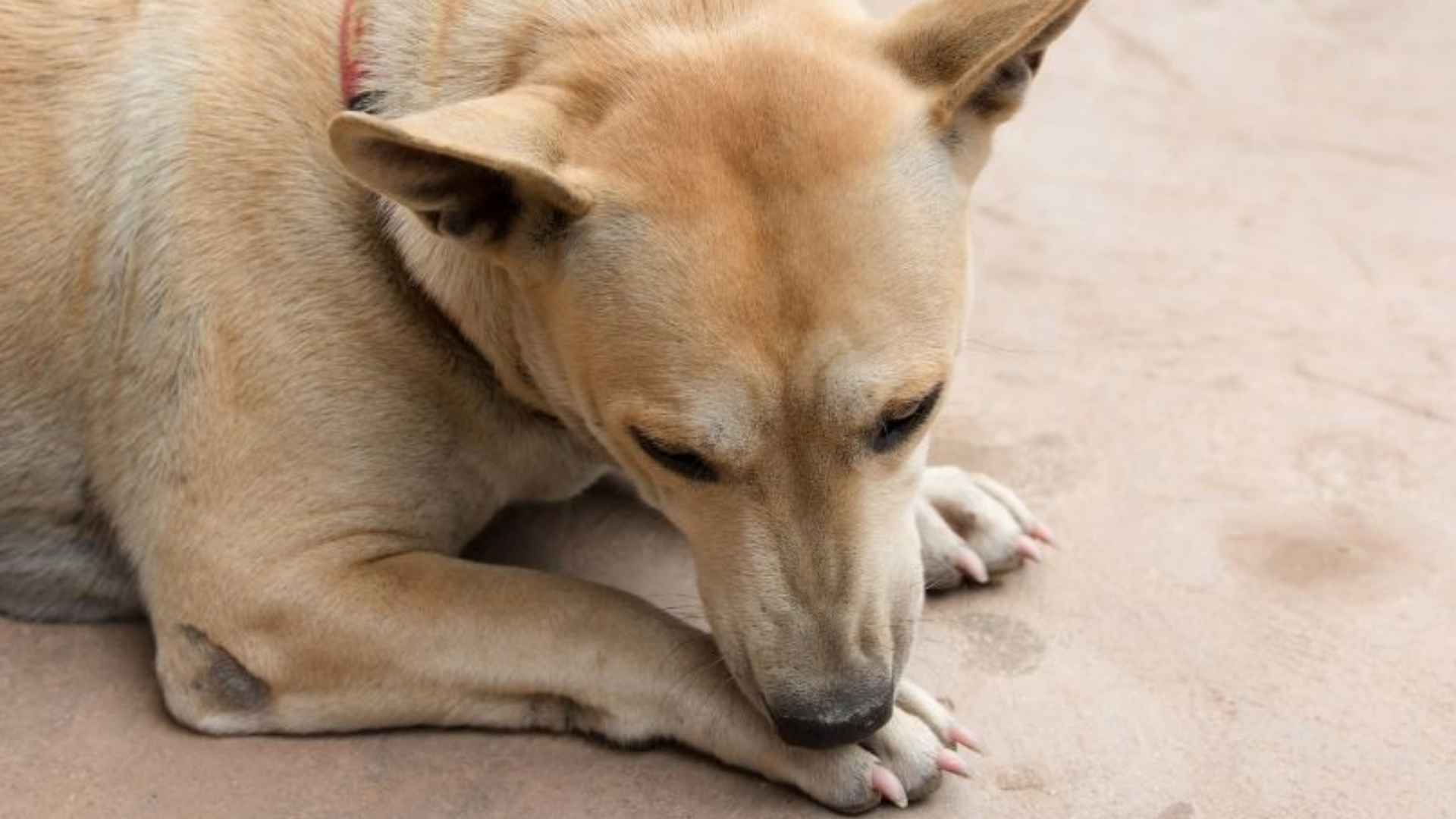
Imagine if you were constantly pulling at your own hair. Eventually, you’d see bald spots, right? It’s the same principle for dogs and their paws. The constant friction from licking can wear down the hair follicles and prevent regrowth. So, if you see those bare patches, it's a definite signal to investigate further.
The Underlying Causes: When It's More Than Just a Paw-sitively Natural Habit
Alright, let's get down to the nitty-gritty. When that nightly paw-licking is more than just a quirky habit, what could be going on? There are a few common culprits that we should all be aware of.
First up, medical conditions. This is probably the most important category to consider. Things like infections (bacterial or fungal), parasites (like fleas or mites), or even more serious issues like arthritis can cause discomfort in the paws, leading to excessive licking. If your dog is older, and suddenly starts licking their paws more, arthritis is definitely something to consider. The stiffness and pain can be relieved, temporarily, by that warm, moist licking action.
Skin conditions are also a big one. Dermatitis, for instance, can make the paws incredibly itchy and sore. This can be caused by a variety of things, from irritants in the environment to underlying immune system issues. Your vet will be able to diagnose the specific type of skin condition and recommend the best course of treatment. Don’t try to play doctor yourself; it’s best to leave this to the professionals.
Then there are the allergies we touched on. These can be incredibly frustrating for both the dog and the owner. As we mentioned, they can be environmental (pollen, dust, mold) or food-related. If your dog is licking their paws excessively, and especially if it’s accompanied by other symptoms like ear infections, skin rashes, or digestive issues, food allergies are a strong possibility. Identifying the trigger food can be a process of elimination, but it's often worth the effort for your dog’s comfort.
Now, let's talk about the less visible, but equally important, reasons: behavioral issues. Sometimes, dogs lick their paws as a way to cope with stress, anxiety, or even boredom. This is especially common in dogs who are left alone for long periods, don’t get enough exercise, or are experiencing changes in their environment (like a new pet or a move).
Think of it as a coping mechanism. For a dog, licking can be a self-soothing activity. If they’re feeling anxious about being left alone, they might lick their paws to calm themselves down. It’s a bit like a human fidget spinner, but for their feet. It’s a way to distract themselves from whatever is causing them distress.
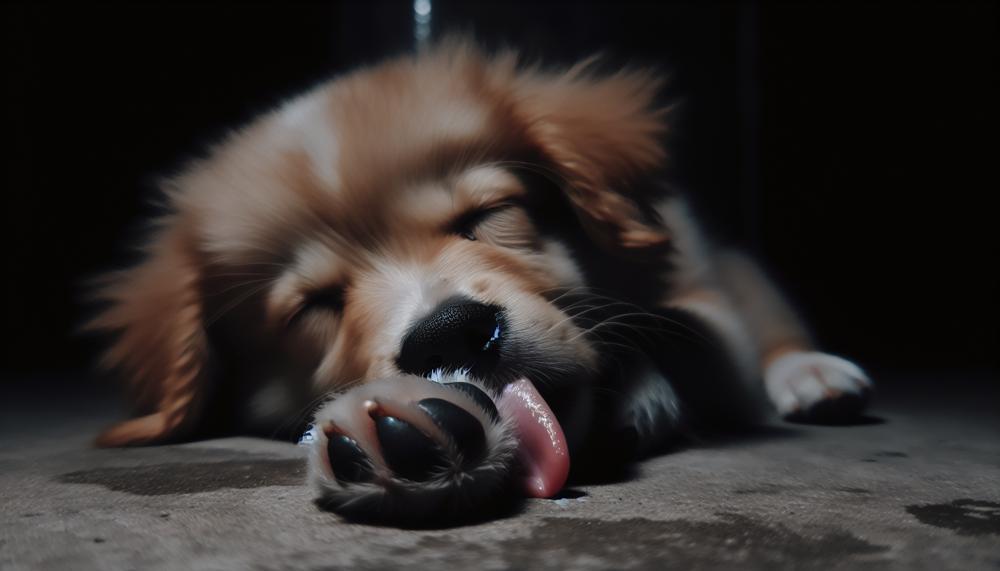
Separation anxiety is a big one. If your dog only licks their paws when you’re not around, or as you’re getting ready to leave, that’s a pretty strong indicator. They’re using it as a way to manage their fear of being alone. This often requires a more comprehensive approach to training and potentially some calming aids, under the guidance of a vet or a certified animal behaviorist.
Obsessive-compulsive disorder (OCD) can also manifest in excessive licking. This is where the behavior becomes a ritual that the dog feels compelled to perform, even when the underlying cause of stress has been removed. It can be difficult to distinguish from anxiety, but a vet will be able to help assess this. It’s a complex issue, and treating it often involves a combination of behavioral modification and sometimes medication.
And let’s not forget about injury. It sounds obvious, but sometimes a dog might be licking a paw because they’ve stepped on something sharp, have a thorn stuck in their pad, or even a broken toenail. They might not show obvious signs of pain until they try to put weight on it. If the licking is localized to one specific paw, and it seems particularly intense, a thorough physical examination of that paw is in order. You might need to enlist the help of a second person to hold your dog still while you check, especially if they’re already in pain.
What You Can Do About It (Besides Just Listening!)
So, you’ve identified that your dog’s nighttime paw-licking is more than just a cute quirk. What now? Don't just sit there and listen to the slurp, slurp, slurp with resignation! There are things you can do to help your furry friend.
First and foremost: See your vet. I know, I know, it’s the go-to advice for everything. But honestly, for any persistent or concerning behavior, a vet visit is crucial. They can rule out any underlying medical conditions. They can check for infections, allergies, injuries, and other health issues that might be causing the licking. Early diagnosis and treatment are key to your dog’s comfort and well-being.
Your vet might recommend diagnostic tests, like skin scrapings, allergy testing, or blood work, to pinpoint the exact cause. Don’t be surprised if they ask a lot of questions about your dog’s diet, environment, and any changes you’ve noticed. They’re detectives, piecing together the puzzle!
If medical issues are ruled out, then it’s time to look at the behavioral side. This is where you become the chief investigator of your dog’s emotional life. Are they getting enough exercise and mental stimulation? A tired dog is a happy dog (and a less likely to be licking their paws obsessively). Think about longer walks, puzzle toys, scent games, or even a training class. Keep their brains and bodies engaged!
A good routine is also important. Dogs thrive on predictability. Try to establish consistent feeding times, exercise schedules, and bedtime routines. This can help reduce anxiety and make them feel more secure.
If anxiety or stress seems to be the culprit, there are several strategies that can help. Positive reinforcement training can build your dog’s confidence. Desensitization and counter-conditioning techniques can be used to gradually expose them to triggers that cause anxiety, associating them with positive experiences.
Sometimes, simple environmental management can make a big difference. If they’re anxious when left alone, try leaving them with a special treat-filled toy, or a piece of your clothing that smells like you. Consider calming music or a pheromone diffuser designed to help dogs relax.
And what if the licking is really bad and they’re damaging their paws? Your vet might recommend a cone of shame (yes, that dreaded Elizabethan collar). While it’s not the most glamorous accessory, it’s incredibly effective at preventing dogs from reaching their paws. It allows the irritated skin to heal without further trauma.
There are also bitter sprays that you can apply to their paws. These taste unpleasant and can deter licking. However, be sure to use a pet-safe product and test a small area first to ensure it doesn’t cause any irritation. Some dogs can be surprisingly persistent, even with the bitter taste, so this might not be a foolproof solution on its own.
Finally, remember to be patient and consistent. Changing ingrained behaviors takes time. Celebrate small victories and don’t get discouraged by setbacks. Your dog is relying on you to help them, so your calm, supportive presence is just as important as any training or medical intervention.
So, the next time you hear that familiar slurp, slurp, slurp in the dead of night, don’t just dismiss it. It might be a simple yawn, or it might be a cry for help. Pay attention, be observant, and when in doubt, consult your trusty veterinarian. After all, a happy, healthy dog is a dog who can get a good night’s sleep without needing to perform an impromptu paw-icure. And that, my friends, is a win-win for everyone!