
Why Are There So Many Cats In Greece
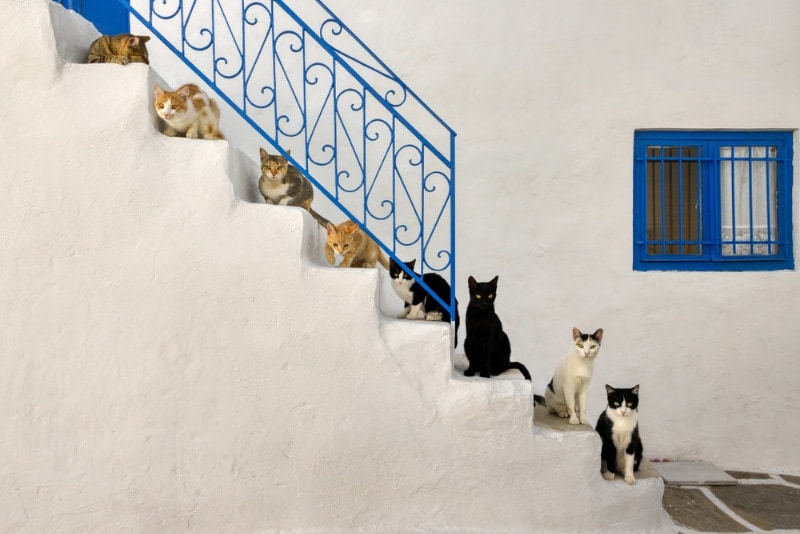
So, you've been to Greece, right? Or maybe you've just seen one of those utterly adorable Instagram photos of a fluffy feline lounging on a sun-drenched Grecian ruin. And if you haven't, picture this: you're wandering through the charming cobblestone streets of a Greek island, the scent of oregano and sea salt in the air, and then you see it. Not a stray dog, not a particularly opinionated pigeon, but a cat. And then another. And then a whole clowder of them, looking like they own the place. Which, let's be honest, they probably do.
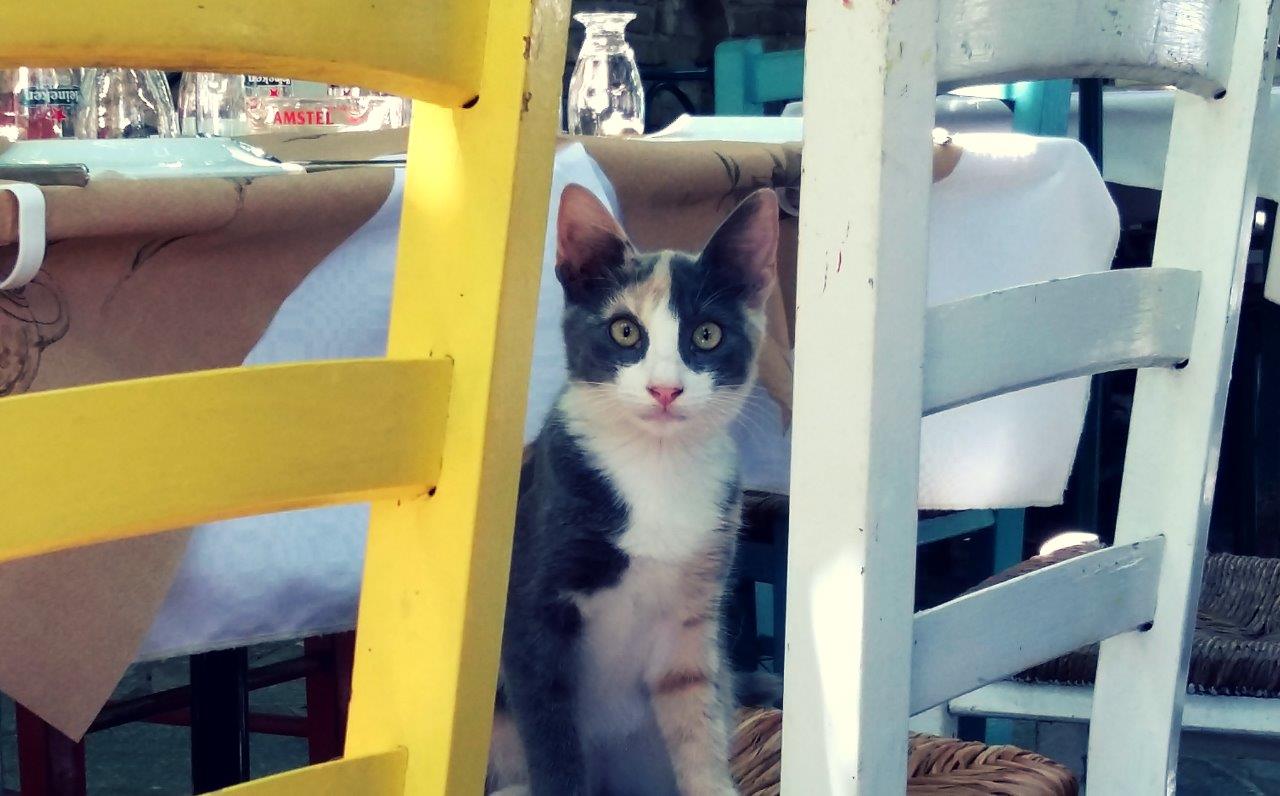
Seriously, it’s like a feline convention happening 24/7. You can’t swing a souvlaki without hitting a cat. They’re on cafe chairs, they’re under tables, they’re guarding ancient temples with the sternness of a Cerberus who’s had too much feta. So, the question on everyone’s lips, the burning mystery that keeps tourists up at night (after that questionable ouzo), is: Why are there so darn many cats in Greece?
Well, pull up a chair, grab a metaphorical Frappé, and let me tell you. It’s not just a coincidence, my friends. It’s a whole saga, a historical epic written in purrs and meows.
The Ancient Cat Admirers
First off, let’s rewind. Way, way back. Like, before Netflix, before even the invention of socks. We’re talking about Ancient Greece. Now, these guys, the OGs of democracy and philosophy, were also surprisingly cat-friendly. Did they have tiny little Grecian tunics for their cats? Probably not. But they did understand the value of a good mouser.
You see, back in the day, they were big on agriculture. And what do farms attract? Rodents. Lots and lots of pesky, grain-munching rodents. So, who’s the perfect, stealthy, silent assassin for your wheat storage? You guessed it: the humble house cat. They didn't have fancy traps or tiny poison pellets; they had cats. Natural pest control, with bonus purrs!
This wasn't just a practical arrangement; it was almost a symbiotic relationship. Humans provided shelter and, let's be honest, probably a few dropped scraps of food (because who can resist a cute kitty?), and the cats kept their pantries rodent-free. It was a win-win, a purr-fect partnership that laid the groundwork for the feline kingdom we see today.
The Divine Whispers and Shady Deities
Now, you can't talk about Greece without talking about gods. And while cats might not have been worshipped like Bastet in Egypt (though some scholars debate this!), they certainly held a special place. Some ancient texts hint at cats being associated with certain deities. Others suggest they were seen as companions to witches, which, let's be honest, is a pretty cool gig if you can get it. Imagine being the familiar of Circe!
More importantly, though, is the idea that cats were seen as lucky. Who doesn't want a bit of good fortune, especially when you're navigating the treacherous waters of ancient sea trade or trying to win a philosophical debate? A sleek, enigmatic cat gracing your doorstep? That’s a sign of good things to come, or at least a really good excuse to pet something fluffy.
This deep-seated cultural appreciation, even if it was subtle, meant that cats weren't just tolerated; they were almost encouraged to stick around. They became part of the fabric of daily life, a familiar presence in homes and marketplaces.

The Byzantine Booms and Ottoman Odes
Fast forward a few millennia. The Roman Empire rises and falls, Byzantium has its moment, and then the Ottomans take over. Through all these shifts, the cats? They were still there. Unflappable. Always plotting. Always napping in sunbeams.
During the Byzantine era, cities grew, and with more people came more food, and inevitably, more pests. The cat's role as a pest controller became even more vital. Monasteries, with their vast stores of food, were particularly reliant on their feline residents. It’s not a stretch to imagine monks sharing their crusts with their whiskered guardians, fostering a peaceful coexistence.
And then the Ottoman Empire. While their culinary contributions are legendary (hello, baklava!), they also brought their own love for cats. Istanbul, the heart of the Ottoman Empire, is famously known as a cat paradise. This feline affection spread across their vast territories, and Greece, being under Ottoman rule for centuries, absorbed this appreciation. So, thanks, history, for the extra cats!
The Modern-Day Cat Crusaders (AKA The Locals)
Now, let’s talk about the present. Why are they still thriving? It’s a combination of factors, really. Firstly, Greek culture, even in its modern form, retains a certain respect for animals. While pet ownership as we know it in some Western countries is growing, there's still a strong tradition of stray animals being integrated into the community.

Locals will feed them, provide shelter (even if it’s just a strategically placed cardboard box), and take them to the vet if they’re injured. It’s a collective sense of responsibility. You’ll see people leaving out bowls of water and food for the street cats, treating them like fuzzy neighbors. It's less about "owning" a pet and more about being part of a community that includes cats.
And let’s not forget the weather. Greece has, for the most part, a glorious climate. It's warm enough for cats to comfortably live outdoors for most of the year. They can find shade in the summer and warmth in the winter, especially in those cozy little nooks and crannies of ancient buildings or behind taverna kitchens. They're basically living their best lives, soaking up the sun and judging your life choices from a distance.
The Tourist Effect (It's Not All Their Fault!)
Okay, so we've established history and culture. But what about the fact that every single tourist seems to take a million photos of them? Well, that doesn't create more cats, but it certainly highlights their presence and makes us all fall in love with them a little bit more.
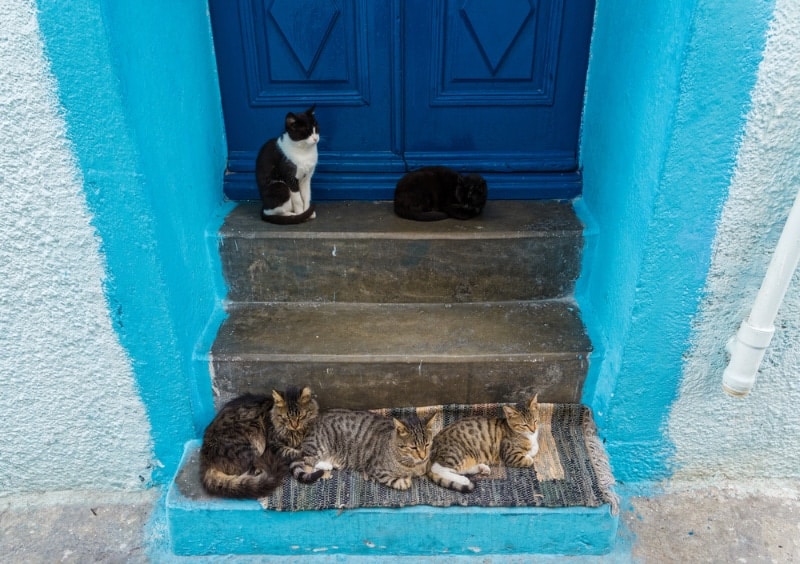
Think about it: you’re on vacation, stressed from work, and suddenly you’re greeted by a regal cat surveying its domain from a marble pillar. It’s instant de-stress. It’s adorable overload. It’s fodder for your social media feed. And because we adore them so much, we’re more likely to be kind to them, to feed them, to welcome them into our holiday narratives.
Plus, let's be real, they’re incredibly photogenic. The contrast of a fluffy cat against a backdrop of ancient ruins or a vibrant blue sea? It’s pure art. It’s the kind of image that makes your friends back home green with envy (or at least wanting to book a flight immediately).
So, the Verdict?
The abundance of cats in Greece is a beautiful tapestry woven from centuries of practicality, cultural appreciation, historical influences, and the simple, undeniable charm of the feline itself. They’re not just strays; they're honorary citizens, furry historians, and living, purring pieces of art. They are the silent guardians of ancient secrets and the fluffy welcome committee to every island and village.
So, the next time you find yourself in Greece and are greeted by a symphony of meows, remember the journey these cats have taken. They’ve gone from vital pest controllers to divine symbols, from Ottoman companions to modern-day community members. They are, quite simply, a pawsitively essential part of the Greek experience. And if you see one, give it a little scratch behind the ears. You might just be petting a descendant of a temple cat, or perhaps a furry ambassador from a bygone era. Either way, you're petting history. And that, my friends, is pretty darn cool.