
Why Are My Windows Wet On The Inside
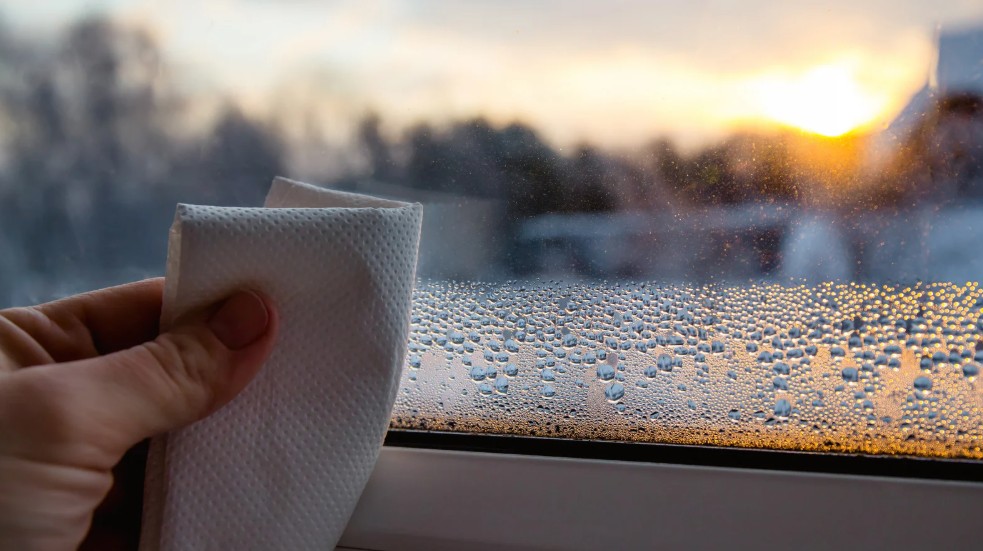
You know, it was one of those mornings. The kind where you wake up, groggy and craving coffee, and you peel back the curtains to greet the day. Except, on this particular morning, the "day" greeting me looked like a scene from a steamy sauna. My bedroom windows were absolutely dripping. Little rivulets were tracing paths down the glass, pooling at the bottom like tiny, frustrated rivers. I blinked, rubbed my eyes, and thought, "Did I accidentally sleep in a greenhouse?" It was a bit dramatic, to be honest. My usually crisp, clear view of the world had been replaced by a watercolor masterpiece, courtesy of… well, that’s the million-dollar question, isn't it?
And that, my friends, is how I found myself on a quest to understand why my windows were suddenly behaving like they were auditioning for a role in a tropical rainforest documentary. It turns out, this isn't some bizarre atmospheric anomaly reserved just for my humble abode. Nope. This is a surprisingly common phenomenon, and it all boils down to a little thing called condensation. Revolutionary, I know. But before you shrug it off as "just condensation," let's dive a bit deeper, shall we? Because that seemingly innocent mist on your windows might be a subtle, or not-so-subtle, cry for help from your home.
The Steamy Suspect: Condensation Explained
So, what exactly is this mysterious condensation? Think of it like this: warm, moist air hitting a cold surface. Your windows, especially in colder weather, are usually the coldest spots in your house. When the warm, humid air from inside your cozy home bumps into these chilly panes, it can't hold all that moisture anymore. It’s like a crowded party where everyone’s trying to hold onto their drink, but when the music gets too loud (the temperature difference), some of the drinks (water vapor) inevitably spill out and form little droplets on the nearest surface – your windows.
It’s basic science, really. And the more of a temperature difference you have between the inside and outside of your home, the more likely you are to see this "sweating" effect. Especially during those brutally cold winter months. You’re trying to keep your house toasty, which means the air inside is warmer, and the air outside is, well, freezing. Boom. Condensation city.
Where Does All This "Moisture" Come From, Anyway?
This is where it gets interesting, and a little bit eye-opening. You might be thinking, "I don't do that much humid stuff in my house." But you'd be surprised! Our homes are full of everyday activities that pump moisture into the air. Think about it:
- Showering: That long, hot shower you love? It’s a mini-tropical paradise in your bathroom, and all that steam needs to go somewhere.
- Cooking: Boiling water, simmering sauces, even just washing dishes can release a surprising amount of water vapor. Ever notice how your kitchen windows fog up when you’re making a big meal?
- Breathing: Yep, even us! Every breath we exhale contains moisture. While one person's breath isn't going to fog up your entire house, multiply that by everyone living there, and it adds up over time.
- Plants: Those lovely green friends you’ve got dotted around your home? They release moisture through a process called transpiration. Beautiful, but also a contributor to indoor humidity.
- Drying Clothes Indoors: If you’re one of those brave souls who skips the dryer and hangs clothes to dry inside, you’re essentially creating a personal humidifier. Clever, but definitely contributes to condensation.
- Aquariums: If you have a fish tank, the evaporation from the water surface is a constant source of humidity.
See? It’s a whole ecosystem of moisture-producing activities happening right under your nose. And if your home isn't well-ventilated, all that humidity gets trapped inside, looking for an escape route, and your windows are often the most accessible, coolest exit.
The Usual Suspects: Why Your Windows Specifically?
Okay, so we know condensation happens when warm, moist air meets a cold surface. But why your windows and not, say, your walls or your ceiling fan? Well, it’s all about that temperature difference. Windows, especially older, single-pane ones, are notorious for being the coldest surfaces in your home. They’re literally the barrier between your cozy interior and the frigid exterior. It's a tough job, and they often lose the battle against the cold.
Think of it like this: imagine you're holding an ice cube. Your hand is warm, right? The ice cube is cold. What happens where your warm hand touches the ice cube? You get condensation. Your windows are the ice cube in this scenario, and the warm, humid air inside your home is your hand. The greater the temperature difference, the more pronounced the condensation will be.
Single-Pane vs. Double-Pane: The Tale of Two Windows
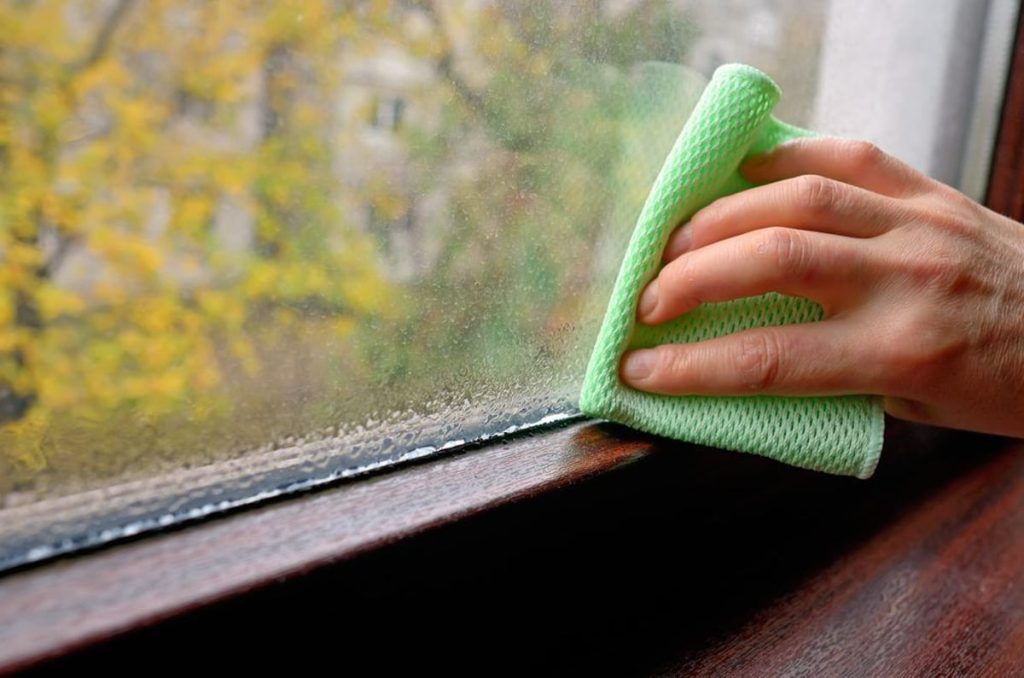
This is a big one. If you’ve got older, single-pane windows, you’re practically inviting condensation to a party. These windows offer very little insulation. The inside surface gets cold, quickly. It’s like trying to keep your house warm with a flimsy sheet of plastic – not very effective. You'll likely see condensation on the inside of these windows, especially when it's cold outside.
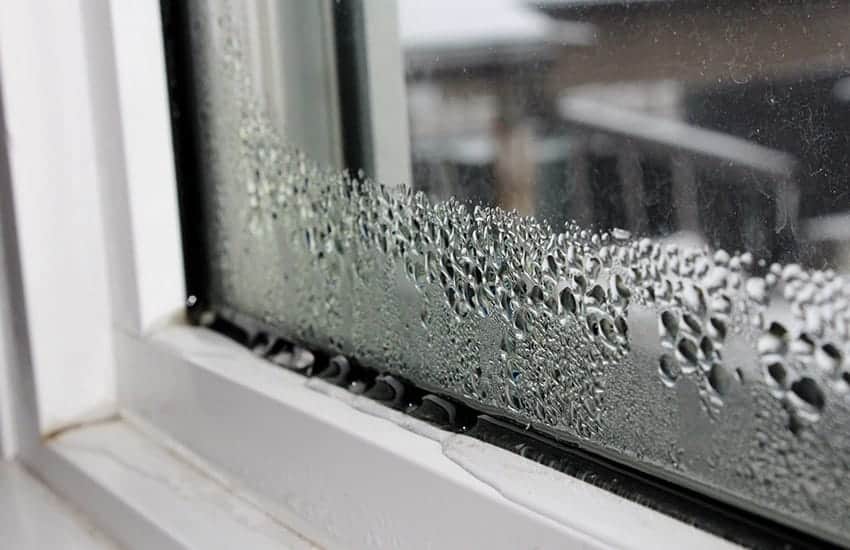
Now, double-pane (or double-glazed) windows are a whole different ballgame. They have a sealed gap between two panes of glass, often filled with an inert gas like argon. This creates an insulating barrier. The inside pane of glass doesn't get as cold as a single pane. This significantly reduces the chances of condensation forming on the inside surface. However, if you are seeing condensation on the inside of your double-pane windows, it often means the seal between the panes has failed. This allows moist air from inside your home to get trapped between the panes, and that can cause condensation. So, it's still a sign of an issue, just a slightly different one!
Beyond the Fog: The Potential Problems of Persistent Condensation
Alright, so your windows are looking a bit misty. Annoying, sure, but is it really a big deal? In the short term, it’s mostly an aesthetic issue. You wipe it away, and life goes on. But if this condensation becomes a regular, persistent problem, it can lead to some more serious headaches for your home and your health.
Mold and Mildew: The Unwanted Houseguests
This is probably the most significant concern. That moisture sitting on your windowsills and frames creates the perfect breeding ground for mold and mildew. These fungi thrive in damp, dark environments. Once they set up shop, they can spread. Mold spores can get into the air you breathe, which can trigger allergies, asthma, and other respiratory problems. Nobody wants to be breathing in microscopic fungi, right? It’s not exactly part of the healthy home package.
And it’s not just on your windows. If the moisture seeps into the surrounding materials, like your window frames, drywall, or even insulation, you could be looking at a much bigger mold problem that’s harder and more expensive to fix. It’s like a silent invasion, and the condensation is the welcome mat.
Damage to Your Home: More Than Just a Mess
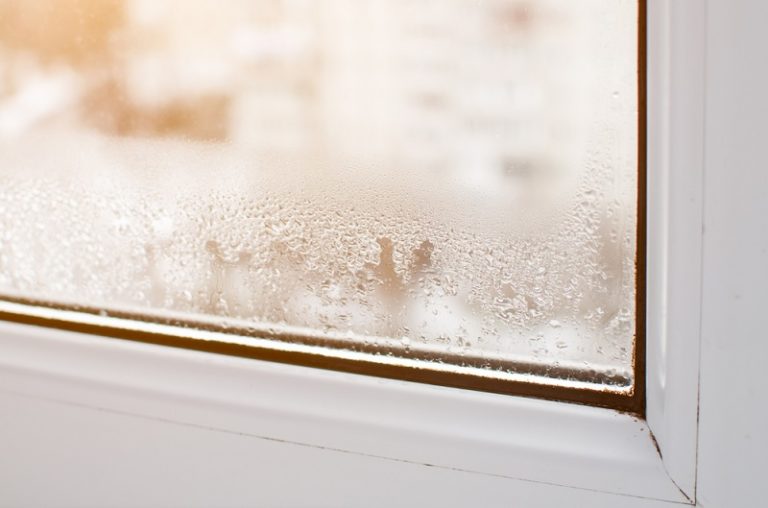
Persistent moisture isn't kind to building materials. The constant dampness can start to break down and degrade things:
- Wood Rot: Wooden window frames and sills can start to rot if they’re constantly exposed to moisture. This weakens them and can lead to costly repairs.
- Paint Peeling: The moisture can cause paint to bubble, blister, and peel away from the surface. It makes everything look grubby and neglected.
- Damage to Walls: If the water runs down and seeps into your walls, it can damage the drywall, plaster, and even the paintwork. You might start to see stains or soft spots.
- Corrosion: Metal components around your windows, like fasteners or even parts of the frame, can start to corrode.
Basically, that pretty little droplet is slowly but surely eating away at the structure of your home. Not ideal.
Reduced Energy Efficiency: The Costly Consequence
This might sound counterintuitive, but condensation can actually make your home less energy-efficient. How? Well, think about those cold, single-pane windows again. The condensation itself is a sign that heat is escaping from your home. The moisture clinging to the glass acts as a thermal bridge, allowing more heat to transfer to the outside. It's like your windows are actively working against your heating system, forcing it to work harder to maintain your desired temperature. This means higher energy bills. Ouch.
And if your double-pane window seals have failed, the insulating gas between the panes can escape, and moist air can enter. This compromises the insulating properties of the window, leading to a similar energy drain.
Tackling the Dampness: What Can You Do?
So, you’ve identified the condensation, you understand why it’s happening, and you know it’s not great. Now for the good part: what can you actually do about it? The good news is, there are several things you can try, ranging from simple lifestyle adjustments to more involved home improvements.

Ventilation is Your Best Friend
This is hands-down the most important thing you can do. You need to get that moist air out of your home and replace it with drier air. How?
- Open Windows Regularly: Even for just 10-15 minutes a day, cracking open some windows can make a huge difference. This is especially important after activities that generate a lot of moisture, like showering or cooking.
- Use Exhaust Fans: Make sure your bathroom and kitchen exhaust fans are working properly and use them! Run the bathroom fan during and for at least 20-30 minutes after showering. Use the kitchen fan when cooking, especially when boiling or frying.
- Consider a Whole-House Ventilation System: For persistent issues, a Heat Recovery Ventilator (HRV) or Energy Recovery Ventilator (ERV) can be a fantastic investment. These systems continuously exchange stale indoor air with fresh outdoor air while recovering heat (and sometimes moisture) from the outgoing air, making them energy-efficient. It sounds fancy, but it’s basically your home breathing!
Think of ventilation as giving your house a breath of fresh air, literally. It’s about balancing the indoor air quality without freezing yourself out.
Control Your Indoor Humidity Levels
If ventilation alone isn't cutting it, you might need to actively manage the humidity inside your home.
- Use a Dehumidifier: These handy appliances can actively remove moisture from the air. You can get portable ones for specific rooms or whole-house systems. Keep an eye on the humidity levels with a hygrometer – ideally, you want to be between 30% and 50% relative humidity.
- Avoid Drying Clothes Indoors: If possible, use a clothes dryer or hang your clothes outside. If you must dry indoors, ensure the room is well-ventilated or use a dehumidifier.
- Cover Pots and Pans When Cooking: This can significantly reduce the amount of steam released into the air.
- Check for Leaks: Leaky pipes, foundations, or roofs can introduce excess moisture into your home. Fix these promptly.
It’s about being mindful of where that moisture is coming from and taking steps to reduce it at the source.
Upgrade Your Windows
If you have old, single-pane windows and condensation is a constant battle, it might be time to consider an upgrade. Double-pane or triple-pane windows with low-E coatings and gas fills offer much better insulation and will significantly reduce condensation. Yes, this is a bigger investment, but in the long run, the energy savings and the elimination of condensation-related problems can make it well worth it.
If a full window replacement isn't in the budget right now, you might explore storm windows as a less expensive alternative to add an extra layer of insulation. Or, consider energy-efficient window films, which can offer some improvement.
Check Your Window Seals
For double-pane windows, if you're seeing condensation between the panes, it means the seal has failed. Unfortunately, there's usually no easy fix for this other than replacing the entire insulated glass unit (IGU). It's not the end of the world, but it's definitely a sign that your windows are past their prime in terms of insulating performance.
Simple Wiping and Drying
While not a long-term solution, don't underestimate the power of a good old-fashioned wipe-down. Keep a microfiber cloth handy and regularly wipe away any condensation. This will prevent it from pooling and causing damage. It’s a daily ritual that can make a surprising difference in preventing the more serious issues.
It's like giving your windows a quick spa treatment to keep them looking and feeling their best. Think of it as preventative maintenance for your glass!
The Takeaway: Listen to Your Windows
So, the next time you peel back your curtains and find your windows looking a bit like they’ve had a rough night out, don’t just sigh and grab a towel. Take a moment to consider what might be causing it. That condensation is a signal. It’s your home’s way of telling you that something is out of balance.
Whether it’s too much humidity from your daily routines, poor ventilation, or aging windows, understanding the root cause is the first step to solving the problem. By taking action – improving ventilation, controlling humidity, or considering upgrades – you can not only get rid of that annoying fog but also protect your home from potential damage and improve your overall comfort and health. Your windows work hard to keep the outside out and the inside in, so a little attention to their needs can go a long way. Happy de-fogging!