
Why Are My Teeth Clear At The Bottom
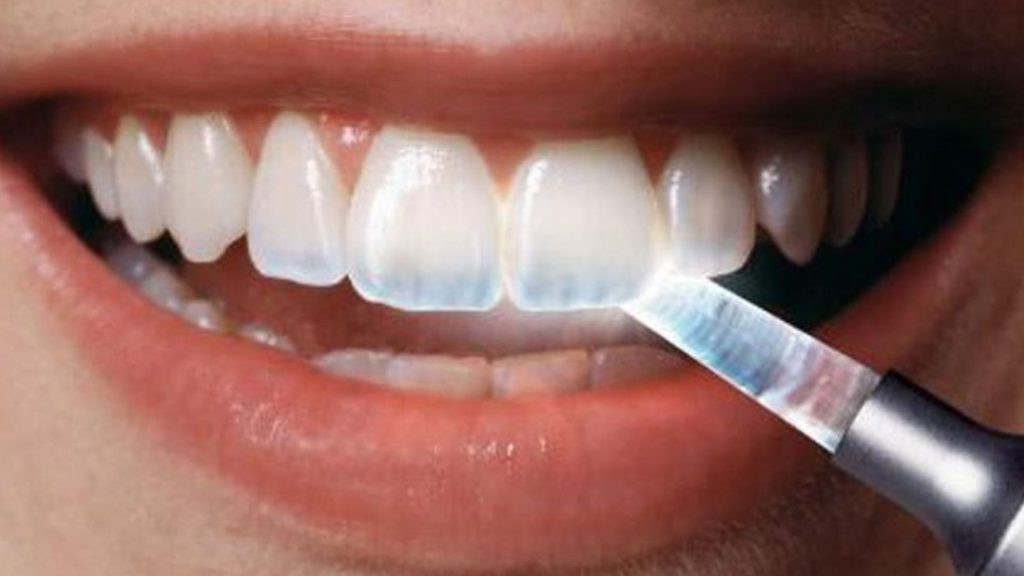
Ever caught a glimpse of your smile in the mirror and thought, "Hey, wait a minute... why are my teeth kinda clear at the bottom?" You’re not alone! It’s one of those little quirks of our bodies that can make us pause and wonder. It’s not like they’re see-through glass, but there’s definitely a translucency there, especially when the light hits them just right. Pretty cool, right?
Let's dive into this and figure out what’s going on with our pearly whites. It’s not a sign of impending doom or a dental emergency, so put those worries aside. Think of it more as a fascinating peek into the science of what makes up our teeth. It's like finding out your favorite sweater is made of a blend of wool and silk – it just adds another layer of interest!
The Incredible Structure of Your Teeth
So, what are teeth even made of? It’s not just bone, as some people might assume. Your teeth are complex little structures, and understanding them is key to understanding that clear-at-the-bottom phenomenon. The main player here is enamel, the hard, outer layer that protects your teeth from all the chomping and chewing we do. It's like the superhero cape of your tooth, working tirelessly to keep it safe.
Beneath the enamel, you've got dentin. Dentin is also pretty hard, but it's a bit softer and more porous than enamel. And then, right in the center, is the pulp, which contains nerves and blood vessels – the tooth’s “life support” system. Together, these layers create a remarkably strong and functional unit.
Enamel: The Mighty, Yet Sometimes Translucent, Shield
Now, about that enamel. It’s made up of minerals, primarily hydroxyapatite, arranged in a way that makes it incredibly strong. But here’s the cool part: enamel is actually semi-translucent. Yes, you heard that right! It’s not completely opaque like a solid rock.
Think of a piece of frosted glass. It lets light through, but it diffuses it. Enamel is a bit like that. The mineral crystals within it are arranged in a very specific, tightly packed way. When light hits your enamel, some of it bounces off, giving your teeth that familiar white appearance. But some of it actually passes through!
And this is where the bottom part of your teeth comes into play. The enamel tends to be thinnest at the incisal edges – that’s the very biting edge of your front teeth, and often the lower front teeth are the ones we notice this transparency on. Because the enamel is thinner there, more light can pass through, making that part of the tooth appear more translucent or even slightly bluish-gray.

It’s like looking at the edge of a seashell. The main body might be opaque, but the thinner edges often have a beautiful translucency to them. Or think about how a sheer curtain can let light filter through. Your enamel is acting in a similar, albeit much harder, way!
Why the Bottom Bites Get All the Glory (of Transparency)
So, why is it particularly noticeable on the lower teeth, or the bottom edge of your front teeth? Well, it all comes down to the natural wear and tear of life. Your teeth are constantly being used. Every time you bite into an apple, chew your favorite meal, or even grind your teeth in your sleep (we’ll get to that!), your enamel is doing its job.
Over time, especially on those biting edges, the enamel can get a little worn down. It’s not usually a drastic amount, but even a slight reduction in thickness can make that underlying dentin more visible. And dentin, while still hard, is naturally more yellow or grayish than enamel. So, when the thinner enamel lets more light pass through, it’s revealing that slightly more colored dentin underneath.
Imagine a frosted windowpane. If you were to gently scrape away some of the frosting from the edge, you’d see more clearly through that area, right? Your teeth are doing something similar, but naturally, over a lifetime of use.
Genetics: The Blueprint for Your Smile
Of course, we can’t forget about genetics! Just like some people have naturally curly hair or a particular eye color, the thickness and composition of your enamel are influenced by your DNA. Some folks are genetically predisposed to having slightly thinner enamel, or enamel that is naturally more translucent.
So, even with minimal wear, their teeth might show that clear edge. It’s just the way their unique smile was designed! It’s a bit like getting a designer handbag versus one that’s a great dupe – both serve their purpose, but the underlying construction and materials can be different.
Think about your family. Do your parents or siblings have teeth that look similar? You might be seeing the same genetic traits at play! It’s all part of the amazing diversity of human bodies.
Is This a Problem? (Spoiler: Probably Not!)
Now, the big question: is this clear-at-the-bottom thing something to worry about? For the vast majority of people, the answer is a resounding no. In fact, it’s often considered a sign of healthy, naturally formed teeth that have been used as intended.

That translucency is often a sign of good enamel structure. If your teeth were completely opaque and chalky white, it might actually indicate a different issue. This subtle transparency is just a feature, not a flaw.
However, if you notice any sudden changes, like sharp edges, increased sensitivity, or significant wear, it’s always a good idea to check in with your dentist. They can assess your individual situation and offer tailored advice. But generally, embrace that little bit of clear! It’s a sign of a well-functioning mouth.
When to Chat with Your Dentist
While we’re celebrating the natural quirks, there are a few scenarios where you might want to get a professional opinion. If you notice that the clear edges are becoming very thin, or if you’re experiencing chips or cracks, it’s definitely worth a visit.
Also, if you experience increased sensitivity to hot or cold foods, that could be a sign that the enamel has worn down more than usual, or that the dentin is becoming more exposed. Your dentist can help protect those areas.

And if you’re simply curious about the overall health of your teeth and enamel, your dentist is the best resource. They can tell you if your enamel is in great shape or if there are any areas that need a little extra attention. It’s like getting a check-up from a car mechanic – they know exactly what to look for!
Embracing Your Unique Smile
So, the next time you notice those clear edges on your teeth, don’t frown. Instead, marvel at the incredible, natural engineering that’s going on inside your mouth! It’s a testament to the strength and resilience of enamel, the subtle beauty of dentin, and the unique blueprint that is your own genetics.
Your teeth are constantly working for you, and that slight translucency is often just a beautiful byproduct of their diligent service. It’s a little reminder that our bodies are full of fascinating details, and sometimes, the most interesting things are the ones we don't even notice until we take a closer look.
So, go ahead and flash that smile! That clear edge is just a little bit of extra character, a subtle wink from your unique and wonderful smile. It’s proof that even in the most ordinary parts of ourselves, there’s a whole lot of science and beauty to discover. Pretty neat, huh?