
Who Was The Hudson River Named After
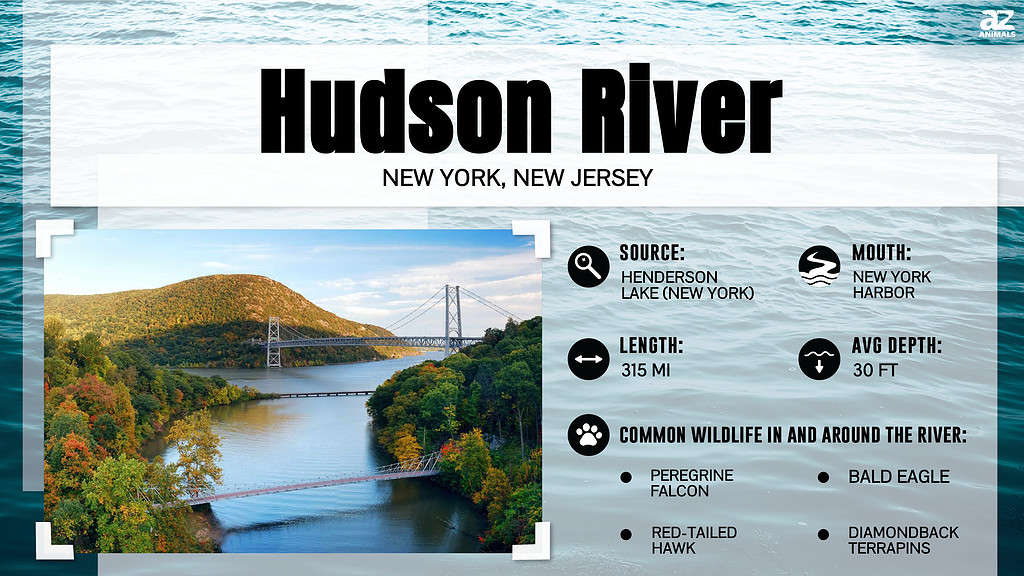
Okay, so you're cruising along the Hudson, right? Or maybe you've seen it on a map, this massive river snaking through New York. And you've probably wondered, like, who even named this thing? It's not exactly a "Whispering Creek" or a "Sunny Brook," is it? It sounds kinda… important. Like it should have a story.
Well, buckle up, buttercup, because we're about to spill the tea. It's not as straightforward as you might think. There wasn't some dude named "Hudson" just casually strolling by, pointing and saying, "Yep, this beauty? It's mine now. I'm calling it the Hudson River." Oh, if only life were that simple, right?
The short answer? It’s named after a guy. But which guy? And why? These are the juicy bits, my friend. The kind of stuff you might forget after your third latte, but it’s still pretty cool. Think of it like finding a secret message in your fortune cookie. Except, you know, bigger. And wetter.
So, the main dude we're talking about here is a fellow named Henry Hudson. Ever heard of him? No? Don't worry, most people just know "Hudson River" and call it a day. He was an English explorer, a big-shot adventurer in the early 1600s. Picture him: probably wearing a really fancy hat, a stern expression, and maybe a slightly seasick look. The life of an explorer wasn't all sunshine and rainbows, you know.
He was on a mission for the Dutch. Yeah, you heard that right, the Dutch. Not the English, not the French, but the Dutch. They were really into exploration and trade back then. Think of them as the OG Amazon Prime of the 17th century, but with ships instead of vans. They wanted to find a new route to Asia. A shortcut. Because who likes a long journey, am I right?
They wanted to find the Northeast Passage. This was like the holy grail of exploration. A mythical sea route that would supposedly take them straight through the Arctic and into the riches of the East. Imagine a map with a giant "X" marking the spot where all the silks and spices were. Everyone was desperately trying to be the one to draw that line.

So, the Dutch East India Company, a super powerful group that basically ran the world (or at least a huge chunk of it), hired Henry. They gave him a ship, the Halve Maen, which translates to the "Half Moon." Cute name, right? Probably more intimidating when it was sailing towards you with a bunch of angry Dutchmen on board, though.
Henry Hudson, bless his adventurous heart, set sail in 1609. He was supposed to be looking for that northern route. But, plot twist! The Arctic was a bit… uncooperative. Lots of ice. Lots of grumpy polar bears. Not exactly the breezy cruise they were hoping for. So, Henry, being the resourceful chap he was (or perhaps just really, really lost), decided to try a different approach.
He veered west. Way west. He was aiming for a different potential shortcut, a passage through what is now North America. It was a long shot, a total gamble. But hey, that's what explorers did! They gambled their lives, their ships, and probably their sanity on these wild ideas.
And that’s how he ended up, well, here. In what is now New York. He sailed into the harbor, and then… he sailed up the river. The very same river we're talking about! He explored it for a good 10 days, venturing as far north as present-day Albany. Can you imagine? This massive, majestic river, just waiting to be discovered by a bunch of Europeans in funny hats.

He encountered Native American tribes along the way. The Lenape people, for instance. They were the original inhabitants of this land, living here for thousands of years. They were probably pretty confused, seeing this giant wooden duck float by with strange people on it. Like, "Uh, who are these guys? And why are they wearing so much wool?"
Henry Hudson, being the explorer he was, didn't really claim the land for England on this trip. He was working for the Dutch. So, the Dutch got to say, "Hey, we found this place! It's ours now. We're going to call it New Netherland." And the river? Well, they eventually named it after the guy who did the exploring. Makes sense, right? You discover a big thing, you name it after yourself. Or the guy who did the discovering, if you’re feeling generous.
So, for a while, it was officially the North River to the Dutch. Why North River? Because there was also a South River (which is now the Delaware River). Simple, practical. Very Dutch. But then, the English came along. Because, let's be honest, the English were pretty keen on exploring and claiming things themselves. They were like the popular kid in school who always wanted to be part of every group project.

When the English eventually took over the area from the Dutch in the mid-1600s, they decided to rename things. And they decided to honor Henry Hudson, the explorer who had charted this significant waterway for them (even though he did it for the Dutch first. Details, details).
And that’s how we got the Hudson River. It’s a name that stuck. It's a name that echoes through history. From Dutch explorers to English colonists, this river has seen it all. And it’s still here, looking as grand as ever.
It's funny, isn't it? A river that was so crucial for trade and exploration, a river that connects so much of New York, all named after one guy’s successful (albeit slightly misdirected) expedition. He was trying to find a shortcut to Asia, and instead, he found a whole new world. Or at least, a really big river that would eventually lead to one.
Think about it. If Henry Hudson hadn’t been a bit of a wanderer, or if the Arctic had been less icy that year, would this river have a different name? Maybe the Halve Maen River? Or the New Netherland River? Or maybe something completely different, named by the Lenape people. Their names for the river were beautiful and meaningful, like Muhheakantuck, meaning "river that flows in two directions." How poetic is that?

But alas, history went the way it went. And Henry Hudson got his river. It’s a testament to the power of exploration, I guess. And to the fact that sometimes, getting a little lost can lead to some pretty significant discoveries. Just try not to get too lost, okay? Especially if you’re sailing for the Dutch.
It’s a pretty cool legacy, though. Every time you see the Hudson, you can think, "Hey, that’s Henry Hudson’s river!" Even if he was just trying to find a faster way to get his hands on some spices. Sometimes, the most unexpected journeys lead to the most enduring names. So, next time you’re by the water, give a little nod to Henry. He might not have known he was leaving such a big mark, but boy, did he ever.
And here’s a little extra tidbit for you: Henry Hudson’s own story gets a bit… dramatic. After this voyage, on another expedition, his crew mutinied. Can you believe it? They left him and a few others adrift in a small boat. Talk about a rough day at the office. Not exactly the heroic ending you’d expect for the guy who gave his name to such a famous river. Life, man. It’s a wild ride, much like the currents of the river itself.
So there you have it. The Hudson River. Named not for a local chieftain or a majestic natural feature, but for an English explorer, working for the Dutch, who was really just trying to find a better trade route. It’s a bit of a mouthful, but it’s the truth. And now you know. You can go forth and impress your friends with your newfound river knowledge. Or just enjoy your coffee, knowing that behind every great landmark, there’s usually a pretty interesting story. Cheers!