
Who Sits Where At A Wedding Ceremony
:max_bytes(150000):strip_icc()/deborah-chad_23-2be51bd2ecf1459b-589a10fa0f94459fa2dea0625a84690c.jpeg)
Ah, the wedding ceremony. It’s a beautiful, emotional whirlwind, a glorious celebration of love, and, let’s be honest, a masterclass in polite social maneuvering. Amongst the flutter of confetti and the sniffles of proud parents, there’s a silent, intricate dance happening: the seating chart. Who sits where? It’s a question that can cause more pre-wedding stress than Aunt Carol’s opinion on the floral arrangements. But fear not, dear reader! Think of this as your friendly guide to navigating the ceremonial seating landscape, with a dash of charm and a sprinkle of practicality. Because, really, it’s all about making sure everyone feels comfortable, celebrated, and knows exactly where to find the good canapés later.
The Front Row: The VIP Circle
Let’s start at the very beginning, shall we? The front row. This isn't just a prime viewing spot; it's the inner sanctum of the wedding party. Here you'll find the most important people, the ones who have likely been cheering on this union since its inception. We’re talking, of course, about the parents of the couple. On one side, the parents of the bride, and on the other, the parents of the groom. It’s a classic arrangement, a visual representation of two families coming together.
Sometimes, step-parents or significant others of the parents will also occupy this esteemed row. The key here is to ensure everyone feels respected and acknowledged. If there are blended families, a thoughtful conversation with the parents beforehand is essential. It’s about creating a sense of unity, not awkwardness. Remember that scene in Father of the Bride where Steve Martin is agonizing over every detail? Seating charts can feel just as monumental, but with a little empathy, it's totally manageable.
Grandparents and Other Honored Guests
Just behind the parental powerhouse, you’ll often find the grandparents. These are the keepers of family history, the ones with the sweetest stories and the most tear-jerking pronouncements of love. Their comfort is paramount, so placing them where they have a clear view and easy access is a thoughtful touch. Think about proximity to the aisle for any mobility concerns. A good rule of thumb is to group them together, perhaps with any particularly elderly or less mobile relatives.
Beyond the grandparents, you might find other very close family members or individuals who have played a significant role in the couple’s lives. This could be godparents, beloved aunts and uncles, or even mentors who have been instrumental in shaping the couple. It’s a way of saying, “You are family, and you are cherished.”
The Middle Ground: Friends and Extended Family
As you move further back, the rows become a delightful mix of friends, cousins, and extended family. This is where the vibe starts to loosen up a little. While still important, these guests might not have the same direct connection to the immediate family dynamics. This is also where you'll find the wedding party when they are not actively involved in the ceremony, waiting for their moment to shine.
A common practice is to seat the bridesmaids and groomsmen who aren't standing at the altar during the ceremony. They might be seated with their respective partners or with their own families. It’s a way to keep them included and involved without them having to stand for the entire duration. Think of it as their well-deserved break before the reception festivities kick off!
Consider the Social Circles
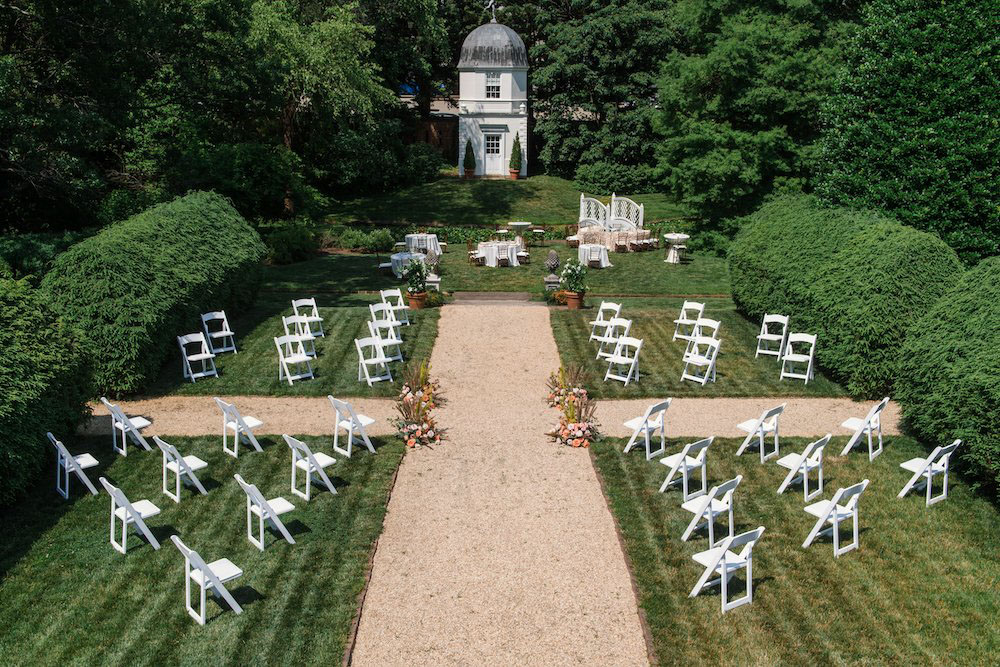
Here’s a little secret: people tend to gravitate towards those they know. So, when arranging these middle sections, it’s often helpful to consider the social circles of your guests. Seat groups of friends together. If the bride and groom have a shared group of friends, they can be placed in a central location. This encourages conversation and creates a more relaxed atmosphere. It’s like a subtle matchmaking exercise, but for seating!
Don’t forget about any out-of-town guests. Placing them near people they might know, or even near someone who can offer local advice, can make them feel more welcome and less like they’re adrift in unfamiliar territory. A little thoughtfulness goes a long way in making everyone feel connected.
The Back Rows and Sides: The Wider Circle of Support
The rows towards the back and the sides of the ceremony space are for the wider circle of support. This includes colleagues, acquaintances, distant relatives, and friends who might not know the couple as intimately but are there to celebrate their joy. This doesn't diminish their importance at all; it's simply a matter of proximity and priority.
These seats are still valuable! They offer a great view of the proceedings and are perfect for those who might prefer a slightly less central position. It’s also a good spot for guests who might have children. They can have a bit more room to maneuver, and if a little one needs to make a quick exit for a bathroom break or a moment of quiet, they can do so without disrupting the entire front section.
What About the Latecomers?
Ah, the inevitable latecomers. While it’s always best to arrive on time, life happens. Typically, the ushers will guide latecomers to the nearest available seats, often towards the back or on the sides. It’s a practical solution that minimizes disruption. You can also have a discreet sign at the entrance suggesting they take seats at the back.
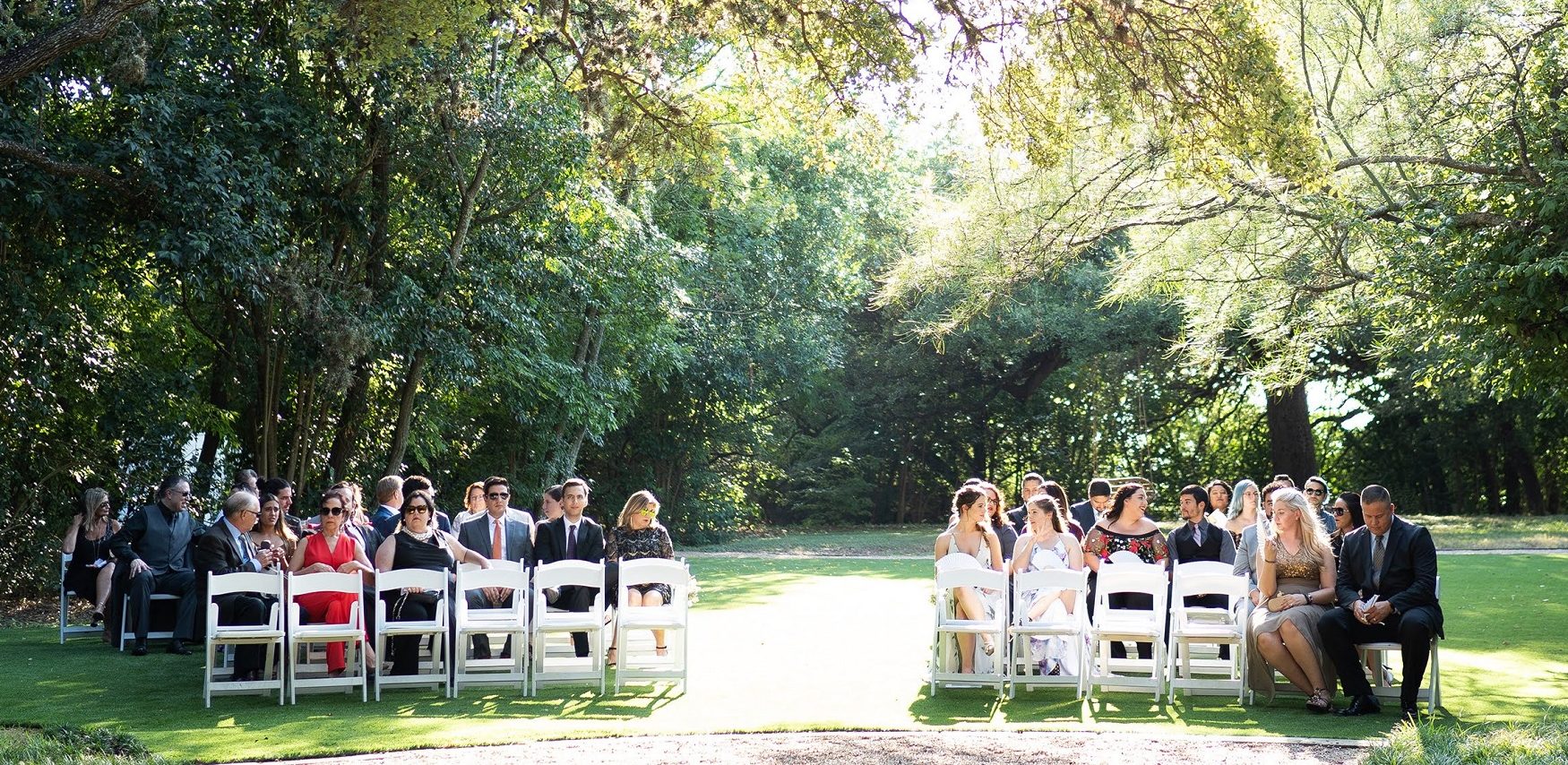
A fun little fact: in some traditions, like certain Catholic ceremonies, the seating arrangements can be quite specific. The family of the bride traditionally sits on the left, and the groom's family on the right. It’s a charming reflection of how deeply intertwined these customs can be.
The “Unassigned” Seating Strategy
For more casual or intimate weddings, some couples opt for an “unassigned” seating strategy. This means there are more chairs than guests, and people can sit wherever they feel most comfortable. This can create a lovely, relaxed, and spontaneous atmosphere. It truly emphasizes the feeling of a gathering of friends and family, rather than a formal seating arrangement.
However, even with unassigned seating, it's still a good idea to have some guidance. You might designate the very front few rows as “reserved for immediate family” or have ushers gently guide people to fill in sections. This prevents a situation where the front is empty and the back is overflowing. Think of it as a gentle nudge in the right direction.
The Usher’s Crucial Role
Let’s not forget the unsung heroes of wedding ceremony seating: the ushers. These individuals are your navigators, your friendly guides. They are trained to know the seating plan (or the unassigned rules) and to help guests find their designated spots. They are also the first point of contact for any questions or concerns.

Their demeanor is important. A warm smile and a helpful attitude can make all the difference in making guests feel welcome and at ease. A little “Welcome! So happy you could be here today” from an usher can set a positive tone for the entire experience.
Cultural Nuances and Personal Touches
It’s important to remember that seating arrangements can vary greatly depending on cultural traditions and personal preferences. In some cultures, the elders might be seated closest to the altar, or specific family sides might have designated areas. Doing your research and having conversations with family members is key to respecting these traditions.
For instance, in some Indian weddings, the seating arrangement can be quite elaborate, with special seating for parents, grandparents, and close relatives. It’s a reflection of the hierarchical importance placed on family elders. Always err on the side of asking and understanding.
The Wedding Party’s Perch
Where does the wedding party sit when they aren’t at the altar? This is a question that often comes up. For the ceremony itself, the attendants typically stand beside the couple. However, once the vows are exchanged and the formal part is done, they might be seated with their families or partners. This is especially true if they are parents themselves or have young children who need their attention.
It’s a small detail, but it shows consideration for the wedding party’s comfort as well. They’ve likely spent hours getting ready and are about to embark on a day of celebration and work. A moment to sit and relax is a welcome one.

Beyond the Ceremony: The Reception Transition
While this article focuses on the ceremony, it’s worth noting that the seating plan often transitions into the reception. Some couples have assigned seating for the reception, while others opt for a more fluid approach. The ceremony seating can offer clues to the reception seating, or it can be an entirely separate endeavor.
Think of the ceremony seating as the prelude to the main event. It’s about creating a sense of order and reverence for the sacred act of marriage. The reception seating, on the other hand, is more about fostering social interaction and creating a party atmosphere. But understanding the ceremony seating is the first step in orchestrating a seamless wedding day experience.
Ultimately, the “who sits where” at a wedding ceremony is less about rigid rules and more about thoughtful consideration and genuine care. It’s about ensuring that everyone present feels welcomed, honored, and a part of your special day. A well-planned seating arrangement is a quiet testament to the love and respect you have for your guests.
A Final Thought on Harmony
In the grand scheme of things, the seating chart might seem like a minor detail. But when you consider the emotional weight of a wedding, these small gestures of organization and thoughtfulness can contribute significantly to the overall atmosphere of love and harmony. It’s like arranging your living room – you want it to be comfortable, inviting, and a reflection of who you are.
And in our daily lives, isn’t that what we’re all striving for? To create spaces and interactions where people feel comfortable, connected, and valued. Whether it’s at a family dinner, a work meeting, or a casual get-together with friends, the principles of thoughtful arrangement and consideration for others are universal. So, the next time you’re planning an event, big or small, remember the wedding ceremony seating chart: a reminder that even in the details, there’s an opportunity to express love and create a sense of belonging.