
Which Type Of Wood Expands The Least
Hey there, curious cats and budding builders! Ever looked at a beautiful wooden table and wondered, "Will this thing warp if I spill a little water on it?" Or maybe you're planning a DIY project and want to make sure your masterpiece doesn't decide to go on a spontaneous expansion spree? Well, buckle up, buttercups, because we're about to dive into a topic that sounds a tad dry but is actually… dare I say it… fascinating and can totally up your game in the world of wood!
We're talking about the magical, mysterious, and sometimes maddening world of wood expansion. You know, how wood likes to swell up when it's damp and shrink down when it's dry? It’s like a moody teenager, but made of trees! And the million-dollar question, or at least the thousand-dollar question for your next woodworking venture, is: Which type of wood expands the least?
Now, before you yawn and click away, thinking, "This is about as exciting as watching paint dry," let me tell you, understanding this little quirk of nature can seriously transform your projects and save you a whole lot of headache. Think about it – that perfectly fitted door that suddenly gets sticky in the humidity? Or the stunning wooden floor that starts to buckle? Yeah, that’s wood expansion doing its thing. But there are ways to work with it, and even a little bit against it!
So, what’s the secret sauce? What wood says, "Nope, not today, moisture!" and stays remarkably stable? Drumroll, please… it’s often the denser, more exotic hardwoods. But hold on, before you start picturing yourself trekking through the Amazon for a plank, let's break it down. It's not just about brute density; it’s about how the wood’s cells are structured and how much moisture it absorbs. Think of it like a sponge. Some sponges soak up water like a boss, while others are a bit more… well, resistant.
The Reigning Champions of Stability
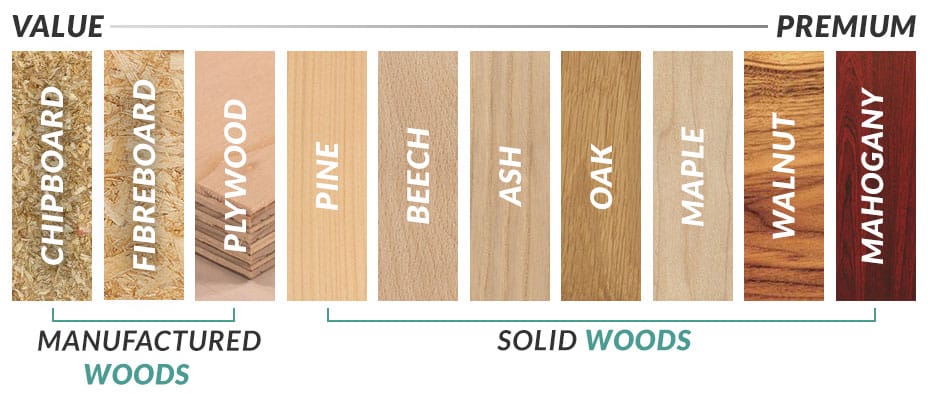
When we talk about woods that are champions in the "least expansion" arena, a few names tend to pop up. These are the unsung heroes of cabinets, fine furniture, and anything that needs to look fabulous and stay that way, no matter the weather outside. One of the stars of the show is often a wood you might have heard of, or maybe seen in high-end kitchens: Teak.
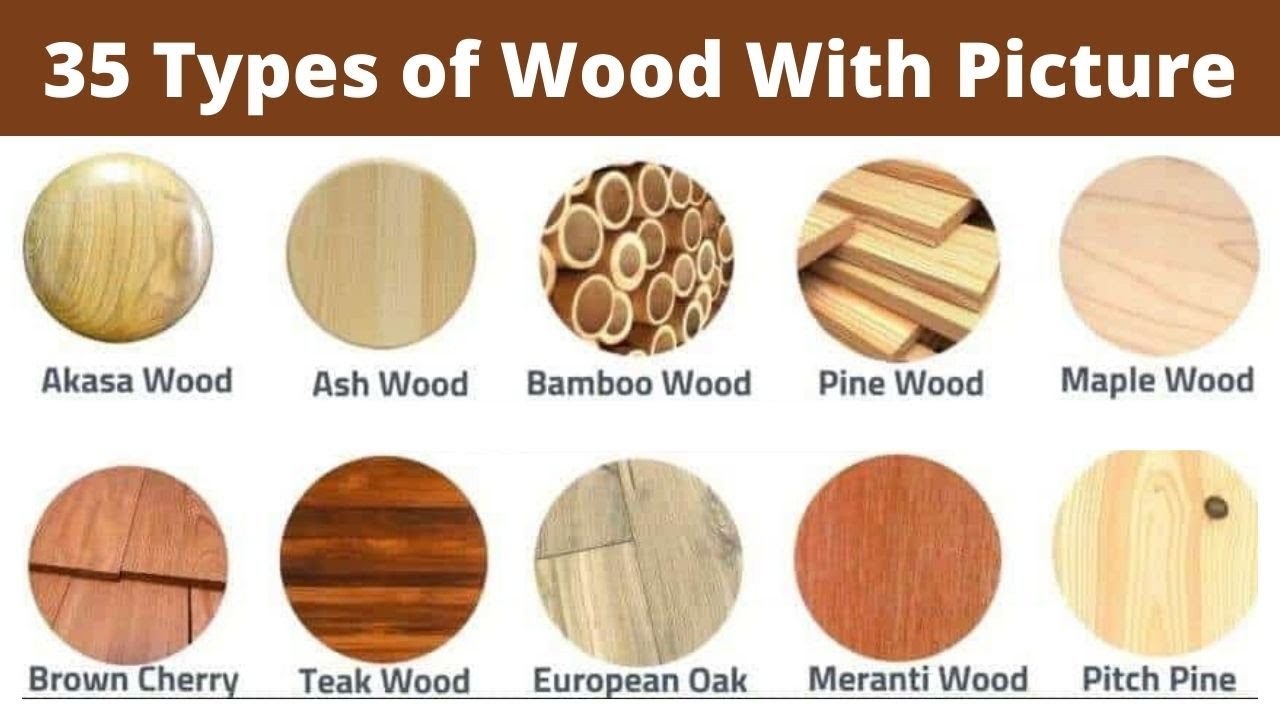
Teak, oh glorious Teak! This stuff is practically magic. It’s naturally oily, which is like a built-in raincoat for the wood. This oiliness means it’s incredibly resistant to moisture, and therefore, it expands and contracts a whole lot less than many other woods. Plus, it’s super durable and looks absolutely stunning. If you’re building outdoor furniture or something that’s going to get a bit of a workout, Teak is like the superhero you call in.
Then there's Mahogany. Another heavyweight champion in the world of stable hardwoods. Mahogany is known for its beautiful color and its impressive dimensional stability. It’s less prone to shrinking and swelling, making it a favorite for furniture makers who want their pieces to last for generations. Imagine your great-grandchildren admiring a table you made – that’s the power of stable wood!
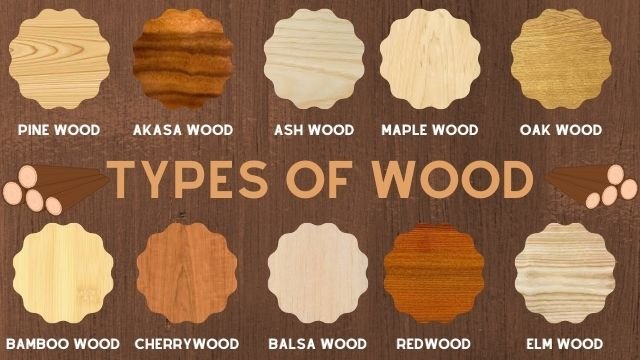
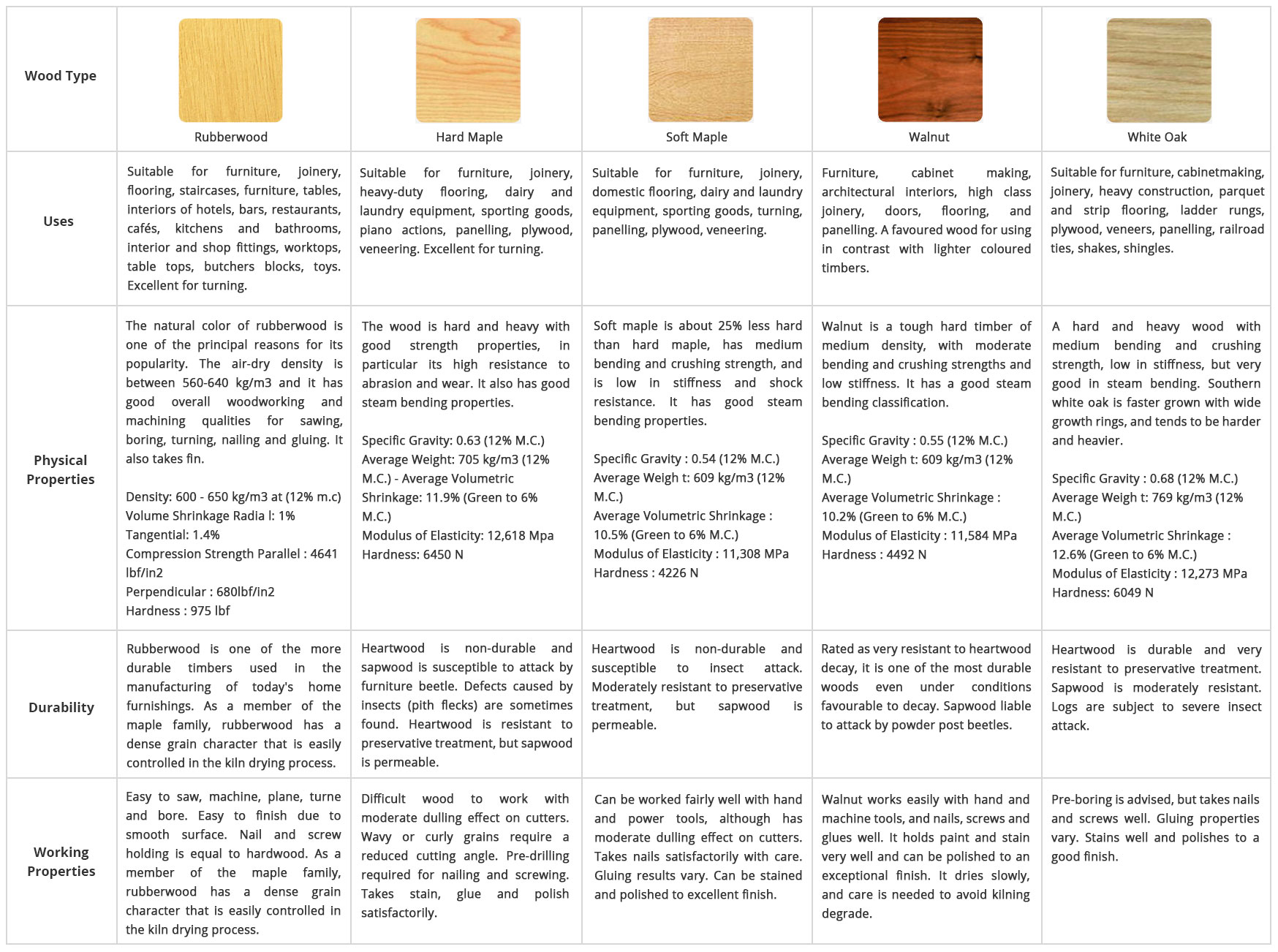
And let’s not forget about some of the more readily available, yet still fantastic, options. Woods like Oak (especially White Oak) and Maple (particularly Hard Maple) are also quite stable compared to softer woods. They’re not quite Teak-level in their resistance, but they’re significantly better behaved when it comes to moisture fluctuations. Think of them as the reliable best friends of the wood world – always there, not causing too much drama.
Why Does This Even Matter? (Spoiler: It Makes Life Easier!)
Okay, okay, so we have these super-stable woods. But why should you, dear reader, care about the nitty-gritty of wood science? Because understanding wood movement is like having a superpower in the DIY and crafting world! It helps you:
- Build things that last: Ever seen a drawer that’s impossible to open in the summer? That’s wood movement! Choosing stable woods for critical parts can prevent this.
- Avoid costly mistakes: That beautiful butcher block you just spent hours crafting might crack or warp if you don't consider the wood’s natural tendencies.
- Impress your friends (and yourself!): Imagine confidently telling someone, "Oh yes, this table is made of sustainably sourced African Mahogany, chosen for its incredible stability!" You'll sound like a pro.
- Unlock creative possibilities: Knowing which woods are stable can open doors to projects you might have previously shied away from.
It’s not just about the raw numbers of expansion and contraction; it’s about how the wood is cut and prepared, too. Kiln-drying wood helps remove a lot of the moisture, making it more stable from the get-go. Quarter-sawing wood, a special way of cutting logs, also results in wood that moves less. So, it’s a whole ecosystem of factors!
Think about the difference between a cheap particleboard shelf that might sag under the weight of your books and a solid, stable oak shelf that holds firm for decades. It’s the inherent qualities of the wood, and how we understand and work with them, that make the difference.
And here’s a fun thought: even the "less stable" woods can be managed! It’s all about understanding their quirks. Maybe you’ll choose a different finish, or design your project in a way that accommodates a little movement. It’s like learning to dance with a partner – you learn their rhythm, and you move together.
Beyond the Big Names: A World of Wood to Explore
While Teak and Mahogany often steal the spotlight, there are many other fantastic woods that offer excellent stability. Woods like Walnut, with its rich color and good stability, are a joy to work with. And don't discount some of the less common but equally impressive hardwoods. The key is to look for woods with a higher density and interlocking grain patterns, as these tend to resist moisture changes better.
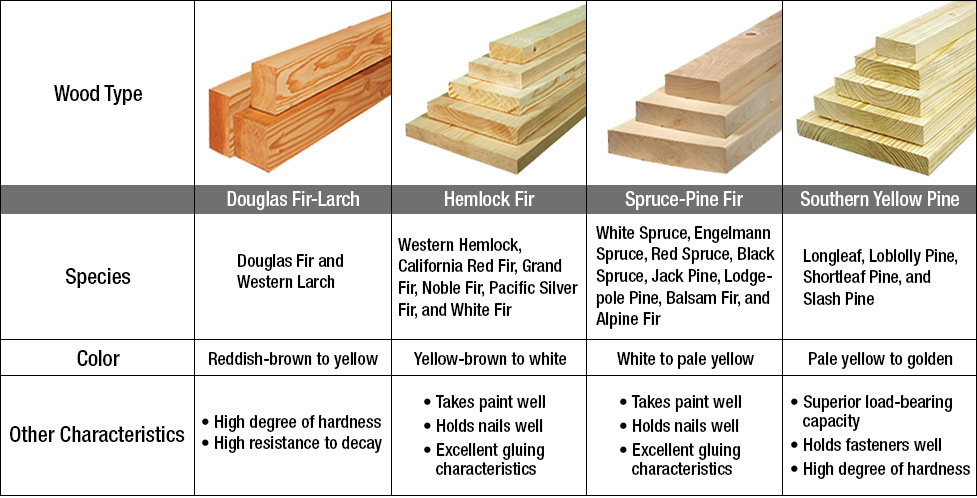
The world of wood is vast and wonderful. It’s a natural material, and like all natural things, it has its own personality. Some woods are chatty and expressive (read: they move a lot!), while others are quiet and reserved (read: they stay put!). Learning to identify these personalities is part of the fun.
So, next time you’re at a lumberyard, or even just admiring a wooden object, take a moment to think about its story. Was it chosen for its strength? Its beauty? Or perhaps, its incredible ability to just… be, without all the drama of expanding and contracting?
This knowledge isn't just for professional woodworkers; it's for anyone who appreciates the beauty and utility of wood. It’s about making informed choices, about creating something truly special, and about adding a little more understanding and appreciation for the natural world around us. So, go forth, explore, and let the fascinating world of wood expand your horizons (but not your furniture, hopefully!). Happy building, happy crafting, and happy learning!