
Which Type Of Asbestos Is The Most Dangerous

My grandma, bless her heart, was a bit of a packrat. Not in a hoarder way, more in a "you never know when you might need this" kind of way. Her attic was a treasure trove of… well, mostly junk. But tucked away in a dusty corner, I remember finding an old, slightly musty-smelling blanket. It looked almost like a heavy-duty fire blanket, but it was surprisingly soft. She’d told me it was for emergencies, for putting out fires if things got really bad.
Turns out, that "emergency blanket" was probably made of asbestos. And while my grandma’s intentions were good (and likely born of a time when this stuff was seen as a miracle material), that little anecdote always sticks with me when I think about asbestos. It’s this hidden danger, something that was once so commonplace and even lauded, now known to be a real nasty customer. So, the question naturally pops into my head: when we talk about asbestos, are we talking about one big, bad thing, or are there different levels of danger?
Let's dive into the murky, dusty world of asbestos, shall we? Because, spoiler alert: not all asbestos is created equal, and some types are definitely more of a villain than others.
The Asbestos Lineup: More Than Just "Dust"
You've probably heard the word "asbestos" thrown around a lot. It's one of those words that just sounds ominous, doesn't it? It’s often referred to as a group of minerals, and that’s technically correct. These minerals naturally occur in fibrous forms, which made them incredibly useful for a gazillion different things back in the day.
Think about it: fire resistance, insulation, strength, durability… asbestos checked all the boxes. It was in our homes, our schools, our workplaces. Insulation, ceiling tiles, flooring, even some old hair dryers! Seriously, hair dryers! Can you imagine?
But here's the kicker: there isn't just one type of asbestos. Nope. Nature, in its infinite and sometimes inconvenient wisdom, decided to give us a whole family of these fibrous minerals. And they're generally divided into two main categories: serpentine and amphibole. This is where things start to get a little more specific, and frankly, a little more concerning.
Serpentine Asbestos: The "Easier" Ones (Relatively Speaking)
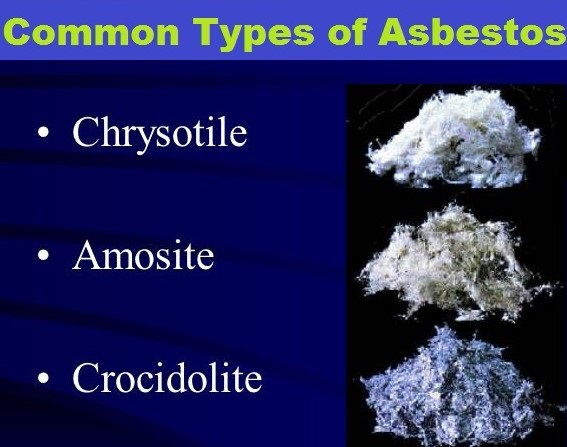
Within the serpentine group, there's one star player, or should I say, one notorious player: Chrysotile. This is by far the most common type of asbestos found in buildings. Think of it as the "workhorse" of the asbestos world. It makes up about 90-95% of all asbestos ever used. It's also known as white asbestos, and it has a curly, wavy fiber structure.
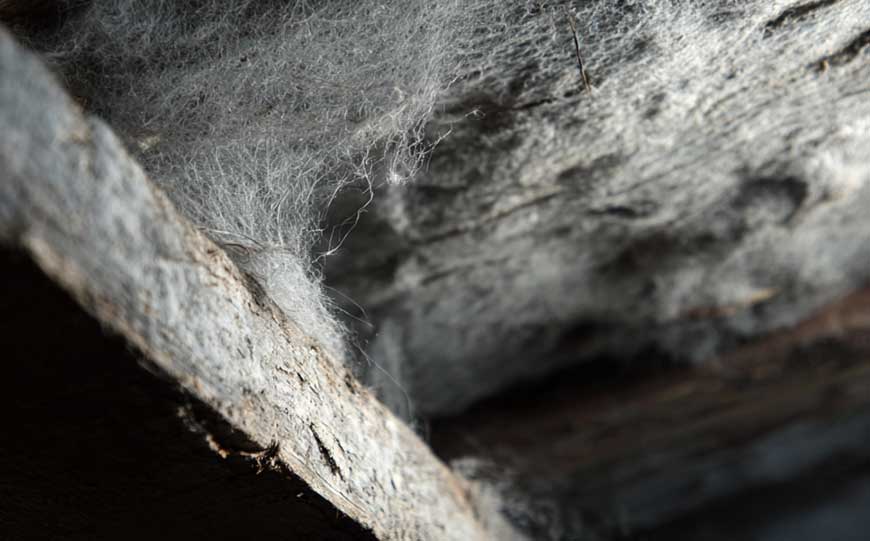
Now, when I say "easier," please don't misunderstand me. Nothing about asbestos is truly easy or safe. But compared to its amphibole cousins, chrysotile fibers are generally shorter and more flexible. This means they're more likely to bend and break down in the lungs, rather than penetrating deeply and causing immediate, widespread damage. They tend to get trapped in the upper respiratory tract.
However, and this is a huge but, even chrysotile can cause serious health problems. If those fibers are disturbed and inhaled, they can still cause lung irritation, inflammation, and over prolonged exposure, lead to diseases like asbestosis, lung cancer, and mesothelioma.
The danger with chrysotile often lies in its widespread use. Because it was so common, so many people were exposed to it over the years. Think about all those old houses with asbestos insulation or vinyl flooring. Disturbing those materials during renovations, or even just normal wear and tear over decades, can release those fibers into the air. It’s like a slow-acting, invisible threat that was everywhere.
Amphibole Asbestos: The Sharp, Deadly Needles
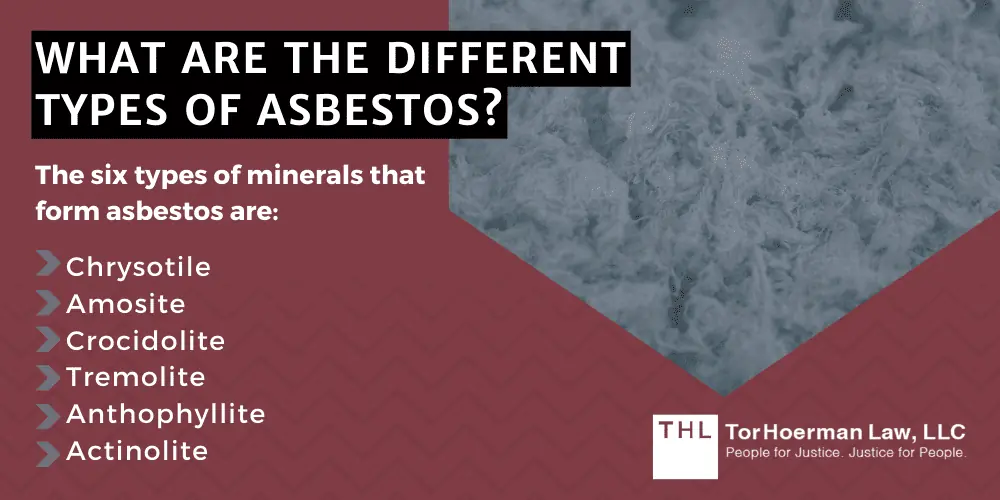
Now, let's talk about the amphibole group. These guys are the real bad actors. And there are several types here, but the ones you'll hear about most in terms of danger are: Amosite (brown asbestos) and Crocidolite (blue asbestos).
The key difference here is the fiber structure. Amphibole asbestos fibers are straight, thin, and needle-like. Imagine tiny, sharp shards of glass. These are not going to bend and break down easily in your lungs. Instead, they are much more likely to penetrate deep into the lung tissue.
Crocidolite, or blue asbestos, is often cited as the most dangerous. Its fibers are incredibly fine and needle-shaped, making them exceptionally effective at lodging themselves deep within the lungs. They are also very durable, meaning they can stay there for a very, very long time, continuing to cause irritation and damage.
Amosite, or brown asbestos, is also a serious concern. Its fibers are also needle-like and straight, though perhaps slightly thicker than crocidolite. It’s still highly effective at causing asbestos-related diseases.
Why are these straight, needle-like fibers so much worse? Well, think about it. Your body has defense mechanisms, but those little straight needles can pierce right through them. They can get into the pleura (the lining of the lungs) and even the peritoneum (the lining of the abdominal cavity), leading to a higher risk of developing mesothelioma, a particularly aggressive and often fatal cancer.
The direct correlation between amphibole asbestos exposure and mesothelioma is a major reason why these types are considered more dangerous. While all asbestos is a carcinogen, the specific structure of amphibole fibers makes them particularly adept at causing this specific, devastating cancer.
So, Which One Wins the "Most Dangerous" Award?
If we're talking about a direct, potent, and deeply penetrating danger that significantly increases the risk of aggressive cancers like mesothelioma, the amphibole types, particularly crocidolite and amosite, are generally considered the most dangerous.
Think of it this way: If chrysotile is like a thorny bush that can scratch you and cause irritation, amphibole asbestos is like a cluster of hypodermic needles waiting to get inside you. The needles can go deeper, do more immediate damage, and are harder to get rid of.
However, and this is a crucial point that can't be stressed enough, ALL types of asbestos are dangerous. The fact that chrysotile is "less dangerous" in some specific contexts does not make it safe. It’s still a known human carcinogen.
The risk associated with any type of asbestos depends on several factors:
- Type of asbestos: As we’ve discussed, amphibole fibers are generally more potent.
- Duration and intensity of exposure: The longer and more concentrated the exposure, the higher the risk.
- Individual susceptibility: Some people might be more prone to developing asbestos-related diseases than others.
- Fibre condition: Damaged, friable (easily crumbled) asbestos releases more fibres than solid, encapsulated asbestos.
So, while crocidolite and amosite might get the grim title of "most dangerous" due to their fiber structure and increased mesothelioma risk, chrysotile is still a very significant health hazard because of its prevalence. It's like comparing a highly concentrated poison to a slightly less concentrated one that's been sprayed all over the place. Both can kill you; it’s just a matter of how and how quickly.
The Legacy of Asbestos
It’s a bit of a tragedy, really, when you think about it. A material that was once hailed as a wonder substance, a miracle of modern industry, turned out to be a slow-burning fuse for some of the most horrific diseases known to man.
The problem is that asbestos doesn't disappear. Once released into the environment, those microscopic fibers can hang around for a very, very long time. This means that even today, people can be exposed to asbestos in older buildings, during demolition work, or even just by disturbing old materials.
If you’re dealing with old materials in your home, especially if you suspect they might contain asbestos, it’s always best to err on the side of caution. Don’t try to remove it yourself. Get a professional assessment. They have the right equipment and know-how to handle it safely.
The story of asbestos is a stark reminder of how much we've learned about health and safety over the years, and how sometimes, what seems like a good idea at the time can have devastating long-term consequences. So, while the amphibole types might be the clear villains of the asbestos family, remember that the entire family is best left undisturbed.