
Where To Find Sea Glass On The Beach
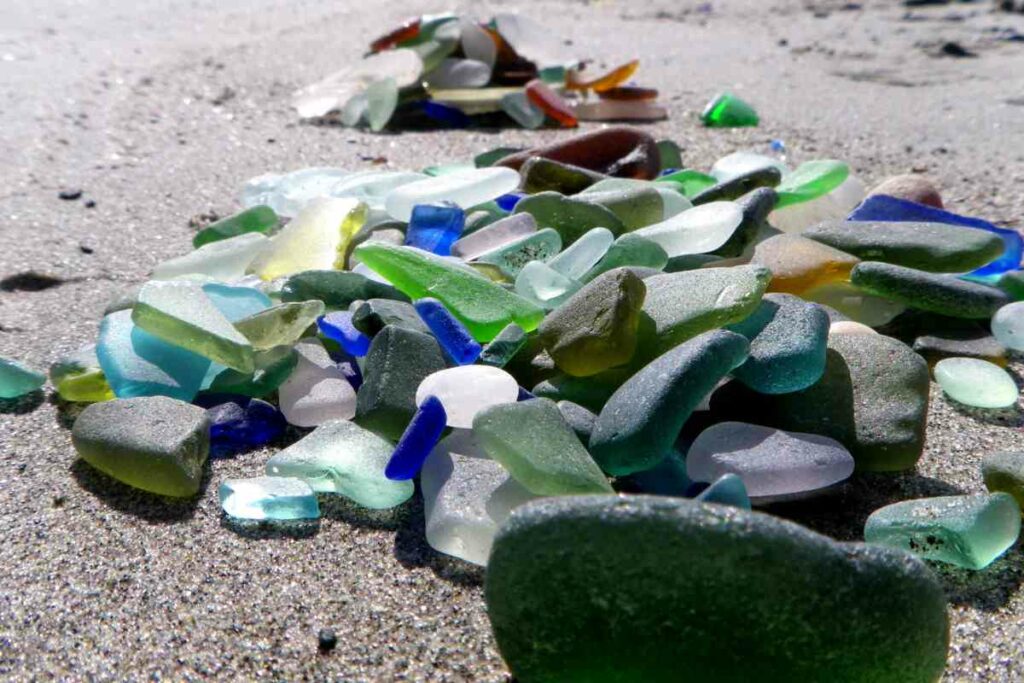
So, you’ve seen those gorgeous, frosted little gems on Instagram, right? Those smooth, wave-tumbled pieces of glass that look like they’re straight out of a mermaid’s treasure chest. Yep, we’re talking about sea glass! And guess what? You can totally find it yourself. It’s not some secret, ancient art form. It’s just… beachcombing with a cool bonus prize. Think of it as a treasure hunt, but instead of a pirate map, you’ve got a tide chart. Way cooler, if you ask me.
Why is finding sea glass so darn addictive? It’s the thrill of the hunt, for starters. You’re scanning the sand, eyes peeled, like a super-sleuth for shiny things. Every flicker of color, every unusual shape, gets your heart doing a little flutter. Will it be a deep cobalt blue? A rare orange? Or just a perfectly tumbled piece of clear glass that still feels special? You never know!
And let’s not forget the story behind each piece. This isn't just random junk that washed ashore. Nope. Most sea glass started its life as a bottle, a jar, or even a windowpane. It was tossed into the ocean, maybe intentionally, maybe accidentally. Then, for years, decades, or even centuries, the waves and the sand worked their magic. They tumbled and smoothed those sharp edges, transforming the ordinary into something truly extraordinary. It's like nature's own little makeover show for glass!
So, where do you even begin this epic quest for frosted goodness? The best spots are usually where there's been a lot of activity, both natural and human. Think beaches with a history. Places where old towns or harbors used to be are goldmines. Why? Because historically, people chucked a lot of stuff off boats and docks. Including, you guessed it, glass!
High tide lines are your best friend. After a good storm or a high tide, the ocean churns things up and deposits them onto the beach. You want to hit the sand right after the tide has receded. This is when the water has done all the hard work for you, leaving behind a fresh bounty of… well, whatever the ocean decides to give you that day.
Rocky beaches are often better than sandy ones. The rocks provide a natural tumbling action, like a giant, watery rock tumbler. They help break down larger pieces of glass and smooth them out. Plus, the nooks and crannies among the rocks are perfect hiding places for those little treasures. Imagine a tiny piece of green glass peeking out from under a barnacle-covered rock. Pure magic!
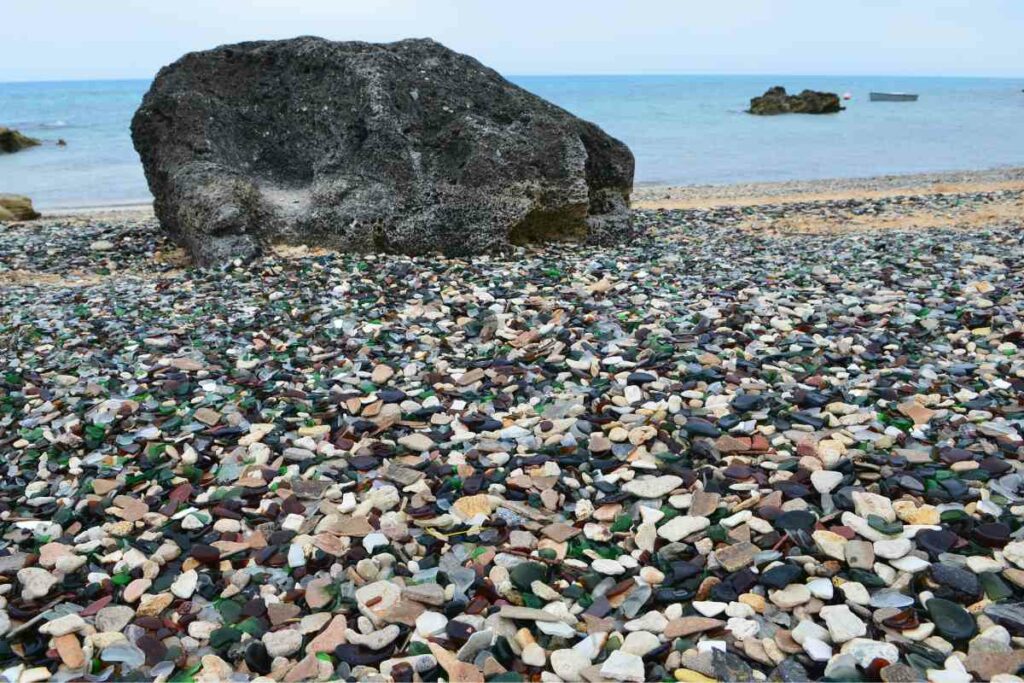
Speaking of rocks, don't be afraid of the gritty stuff. Sometimes the best sea glass is found mixed in with pebbles, shells, and other beach debris. You have to sift through a bit. It’s not always lying there, glistening in the sun. Embrace the mess! It’s part of the adventure. Think of it as a delicious salad, and the sea glass is the cherry on top.
What about specific types of beaches? Well, in the UK, places like Seaham are legendary. Seaham was once home to a large glass-making factory, so imagine the sheer volume of discarded glass that ended up in the sea. It’s like a buffet for sea glass hunters! Other good spots in the UK include the shores of the Isle of Wight and parts of Cornwall.
Across the pond, the US East Coast is a treasure trove. Head to Fort Bragg, California, for the famous Glass Beach. It’s not exactly natural anymore – it was a former dump site! – but over decades, the waves have smoothed the glass into beautiful, colorful sand. It’s a bit controversial, so check local rules before you go collecting there. Other prime US spots include beaches in Maine, Massachusetts, and Maryland.
Don't forget the Great Lakes! Believe it or not, you can find sea glass there too, though it’s technically lake glass. Places like Sleeping Bear Dunes in Michigan and beaches along Lake Erie have been known to yield some stunning finds. The process is the same: the waves, the rocks, the tumbling. Nature’s pretty consistent, isn't it?
Now, let’s get tactical. How do you actually spot the good stuff?
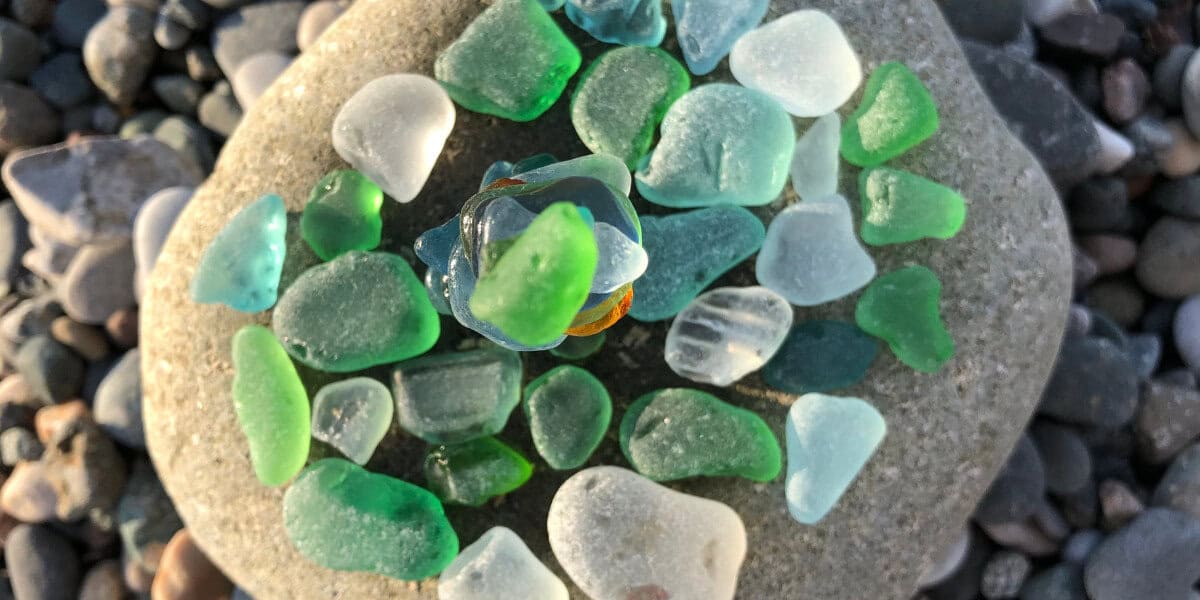
Color is king. While all colors are cool, some are rarer than others. Clear, green, and brown are the most common. These usually come from old bottles and jars. Then you get into the rarer colors: blue (cobalt blue is a holy grail!), amber, and seafoam green. These often come from older, more decorative items.
The rarest colors? Think reds, oranges, and yellows. These are super difficult to find because the ingredients needed to make those colors were more expensive and used less frequently. If you find a piece of bright red sea glass, do a little happy dance. You’ve earned it!
Shape matters too. Look for pieces with smooth, rounded edges. Sharp edges mean it hasn't been in the water long enough, or it’s not true sea glass. The best pieces look like little candies, perfectly tumbled by the ocean. Sometimes you find pieces with writing or logos on them. These are extra special because they tell a clearer story of their origin.
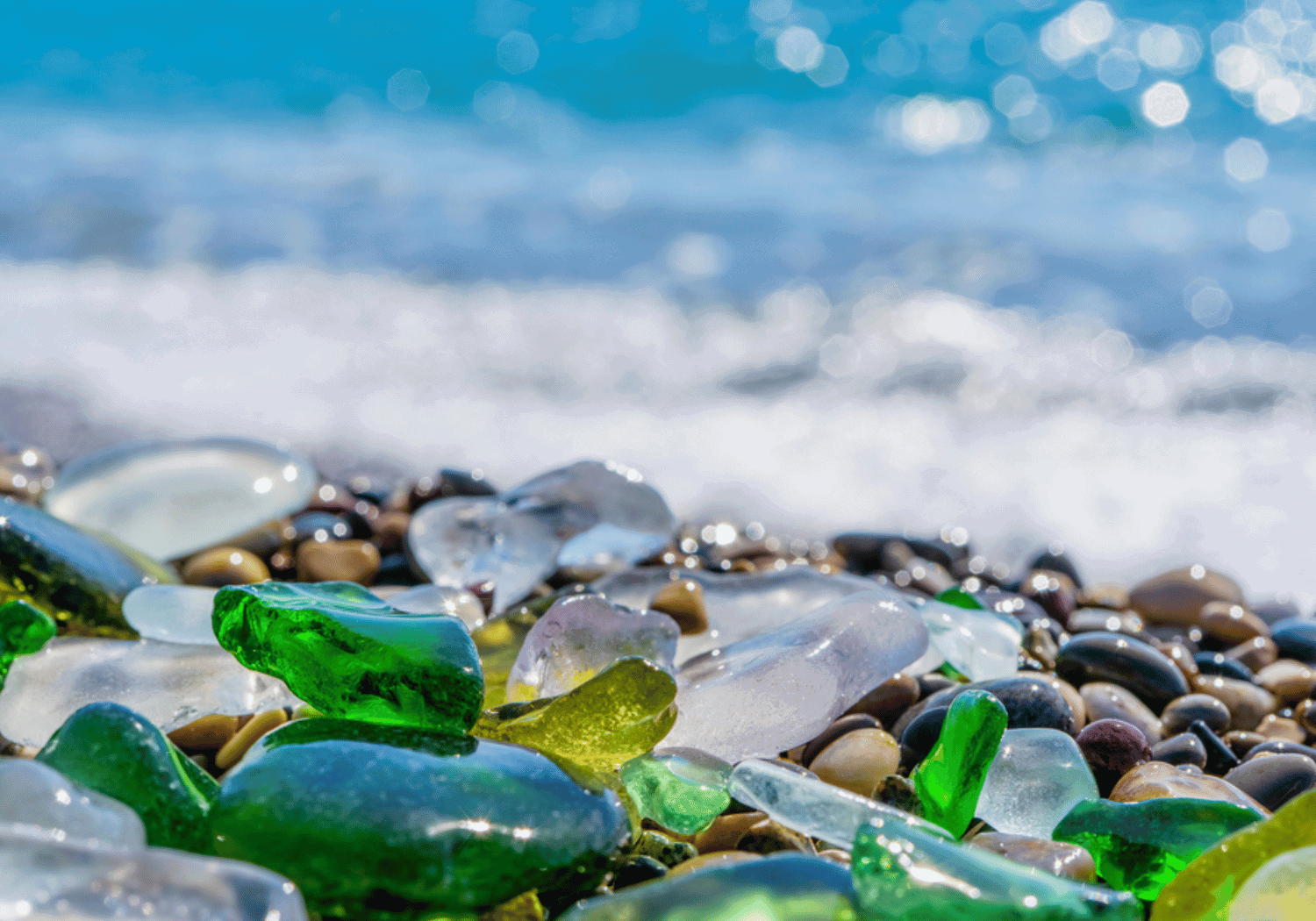
When to go is as important as where to go. Early morning is often best. The light is softer, and there are fewer people around. Plus, the tide might have just gone out, leaving fresh pickings. After a storm is another prime time. The waves have been busy, and who knows what they’ve brought to shore!
Bring the right gear. A small bucket or bag to collect your treasures is essential. Some people bring a mesh bag so water can drain out. A pair of gloves can be handy, especially if the beach is a bit rough. And don't forget sunglasses and a hat! The sun can be intense while you're scanning the sand.
Be patient. This is key. You might go out and find nothing but smooth pebbles. That’s okay! The beauty of beachcombing is enjoying the process, the fresh air, the sound of the waves. The sea glass is a bonus, a delightful surprise. Don't get discouraged if your first few trips are fruitless. Keep at it. Your luck will change!

And here’s a little quirky fact for you: the term “mermaids’ tears” is often used for sea glass, particularly the rarer colors. Legend has it that mermaids cry tears of joy when they see ships sailing safely, and these tears fall into the ocean and turn into sea glass. How romantic is that? It adds a whole layer of enchantment to the whole experience.
Another fun tidbit? The amount of time it takes for glass to become sea glass varies wildly. Some sources say it can take as little as 10-20 years, while others claim it can take 50-100 years or even longer for really good, smooth pieces. So, that tiny piece of blue you found could be older than your grandparents! Mind-blowing, right?
Remember, the goal is to have fun. It’s a mindful activity. You’re present, you’re looking, you’re appreciating the natural world. It’s a great way to de-stress and connect with nature. Plus, you end up with some lovely little souvenirs that have a unique story.
So, next time you’re near the coast, or even a large lake, take a moment. Look down at the sand. You might just find your own piece of ocean magic. Happy hunting!