
Where Is The Security Code On A Card
Okay, let's talk about that little number. You know the one. The one that seems to play hide-and-seek every single time you're trying to buy something online and the website's practically begging you to confirm it's really you.
We've all been there. You're about to snag that amazing deal, that must-have gadget, or maybe just a really good pizza. The checkout page pops up, looking all official and secure. Then, BAM! "Please enter your Security Code." And your brain, which was just happily imagining that delicious pepperoni, suddenly switches gears into investigative mode.
Where IS that darn code? It's not like it's labeled "Official Secret Decoder Ring Number Here." It’s just... there. Somewhere. And you’re holding the card, feeling it, staring at it like it's a cryptic crossword puzzle designed by a mischievous genie.
Think about it. You’ve got your credit card, your debit card, maybe even that trusty gift card for your favorite bookstore. They all have this elusive security code. It’s like the bouncer at the VIP club of online shopping. You can’t get in without it, and if you can’t find it, well, that pizza dream goes up in smoke.
This little trio (or sometimes quartet) of digits is the unsung hero of your financial security. It's like a secret handshake for your card. You don't have to remember it like your bank PIN, which you guard with your life and a series of increasingly elaborate mental gymnastics to avoid forgetting it. Nope. The security code is right there, on the card itself, waiting patiently.
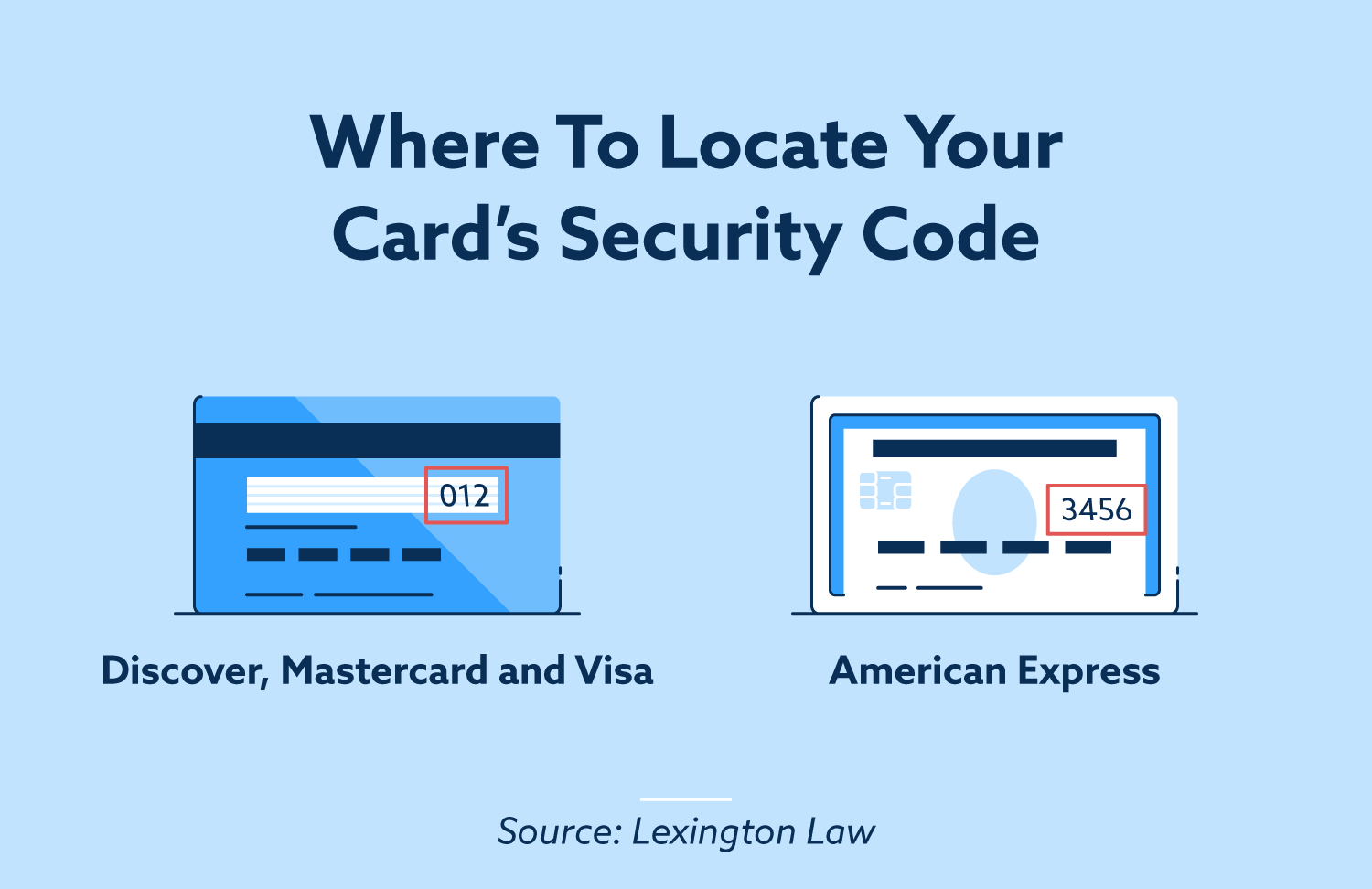
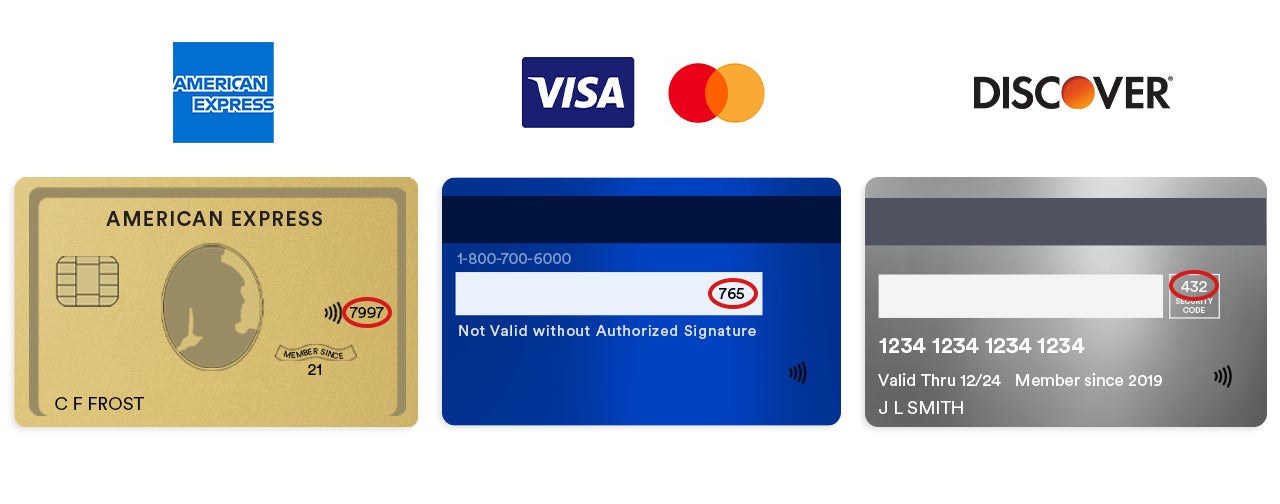
But where is it? This is where the fun begins. For most of us, especially with Visa, Mastercard, and Discover, it's on the back of the card. You know, that little strip where the signature goes? You'll see a series of numbers. The last three digits in that sequence? That's your golden ticket.
Imagine your card is a tiny, rectangular city. The front is all the fancy skyscrapers and bustling streets – your name, the card number, the expiration date. Looks important, right? But the real magic, the secret to getting past the digital dragon? It's tucked away in the quiet suburbs, on the back, near the graffiti that says "Just sign here."

It’s a bit like trying to find your car keys. You know you had them. You know they're somewhere in the house. You’ve checked the obvious places – the hook by the door, your jacket pocket, the kitchen counter. But no. Then, you absentmindedly check the freezer (don’t ask) and there they are, nestled next to the frozen peas. The security code is the financial equivalent of that moment of bewildered relief.
Sometimes, though, it’s a bit more… advanced. For American Express cards, they like to be a little different, don’t they? Those fancy folks put the security code on the front of the card. Yep, you read that right. Usually, it’s a four-digit number, sitting pretty above your card number. It's like the Amex card is saying, "Why hide? I'm fabulous and my security code is just as visible as my amazing benefits!"
So, you've got the back of the card for most. The front for Amex. It’s like a treasure hunt designed by your bank. And the prize? The ability to order that extra-large tub of ice cream for movie night without any hassle.
Now, let's talk about why it's there. This code is often called the CVV (Card Verification Value), CVC (Card Verification Code), or CID (Card Identification Number), depending on the card issuer. It's not a PIN, which you actually type into a machine at a store. This is for card-not-present transactions. Think online shopping, over-the-phone orders, that kind of jazz.
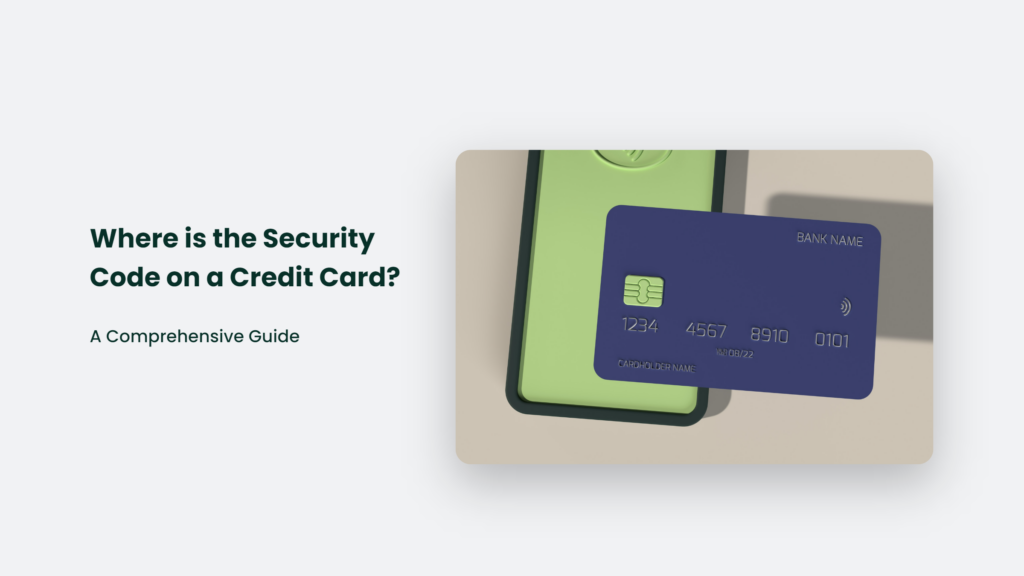
The idea is simple, really. If someone only has your card number and expiration date (which are much easier to skim or find on a lost receipt), they still can't use it online without knowing this secret code. It's like having a combination lock and a key. They might have the key, but without the lock’s combo, they’re still stuck.
It adds an extra layer of security, a little digital bodyguard for your money. And honestly, most of the time, it works like a charm. It’s that little nudge that says, “Yep, this person actually has the card.”
But oh, the moments of panic! You’re trying to buy tickets to that concert you’ve been dreaming of. The countdown clock is ticking. And then, that dreaded prompt. You grab the card, flip it over, squinting in the dim light. Is it 123? Or 321? Is that a 0 or an O? Your eyes might be playing tricks on you. Your brain might be doing a samba of confusion. You might even find yourself holding the card up to the light, as if the numbers will magically glow brighter.
Sometimes, you're so used to seeing the numbers on the front, you'll instinctively look there for the security code, only to realize it's not there. And for a split second, you think you’re going crazy. "Did they change it? Did my card get a software update I don't know about?"
It’s a universal experience. I’ve seen people in coffee shops, hunched over their phones, card in hand, mouthing numbers. I’ve heard exasperated sighs echoing through the aisles of electronics stores as someone tries to order a new TV online from their tablet. We’re all united by this tiny, three-digit mystery.

And let's not forget the sheer relief when you finally find it. That moment you read the numbers off the card, type them in, and the screen changes to "Order Confirmed!" It's a small victory, but a victory nonetheless. You've successfully navigated the labyrinth of online payment and emerged triumphant, ready to await your package.
Think of it like this: your card number and expiration date are your home address. Anyone can find that if they have enough time and a bit of luck. The security code? That's the secret knock on your door that only you (and the nice folks at the bank) know. It’s the extra bit of assurance that the person knocking is actually invited.
So, next time you're faced with that little prompt, don't panic. Take a deep breath. Grab your card. Give it a good old-fashioned once-over. For most of your plastic pals, the answer lies on the back, near where you usually scribble your name like a doctor who's just finished a marathon. And if you’re rocking an Amex, well, they like to keep it simple and put it right up front. It’s not rocket science, just a little game of card-based hide-and-seek. And now you know where to look. Happy shopping!
It’s really about peace of mind, isn’t it? Knowing that there’s a little something extra protecting your hard-earned cash from the digital bandits of the internet. This code, often overlooked, plays a crucial role in making sure that when you click "buy," it's genuinely you doing the buying, and not some nefarious character with a penchant for your online shopping cart.
And honestly, the fact that it’s right there on the card is a brilliant piece of design. Imagine having to memorize another number! We’ve already got enough passwords and PINs to fill a small library. The security code is a merciful reminder that not everything has to be committed to our already-overburdened brains. It's a visual cue, a tangible confirmation in our increasingly virtual world.
So, the next time you're staring at that checkout page, feeling a mild surge of digital dread, just remember this little guide. A quick peek at the back (usually the last three digits for Visa, Mastercard, and Discover), or the front (for those sophisticated American Express users), and you'll be back on track. It’s like having a trusty sidekick for your online adventures, always there to verify your identity and keep your transactions smooth.
It’s a small detail, but it makes a big difference. It’s the financial equivalent of putting a deadbolt on your front door even though you live in a safe neighborhood. It’s just good practice, a little extra layer of security that makes you feel better about sending your sensitive information out into the digital ether. And in this day and age, that feeling of security is worth its weight in gold… or at least, worth the ability to get that pizza delivered hot and fresh.
So, go forth and shop with confidence! You now hold the power to decipher the mystery of the card security code. May your online purchases be swift, secure, and filled with the joy of immediate gratification. And remember, if all else fails, there’s always the comforting knowledge that you can just call the company and speak to a real human being. Though, let’s be honest, finding that security code is usually a lot faster than waiting on hold!
It's a small thing, but it's a part of our everyday financial dance. The quick glance, the mental check, the tap-tap-tapping of the digits into the online form. It's a little ritual that has become second nature for many of us, a testament to how integrated our lives have become with online commerce. And at its heart, it's all about trust – trust that the systems are in place to protect us, and trust that we can find that one crucial piece of information when we need it most.