
Where Does The Vanilla Pod Come From
Ah, vanilla. Just the word itself conjures up images of comforting desserts, creamy ice cream, and that irresistible aroma that instantly makes any space feel a little more cozy. We’ve all experienced the magic of vanilla, whether it’s a sprinkle of its fragrant essence in our morning coffee, the comforting embrace of a vanilla-scented candle, or of course, the star of countless sweet treats. It's a flavor and a scent that transcends cultures and generations, a true crowd-pleaser that brings a touch of simple luxury to our everyday lives.
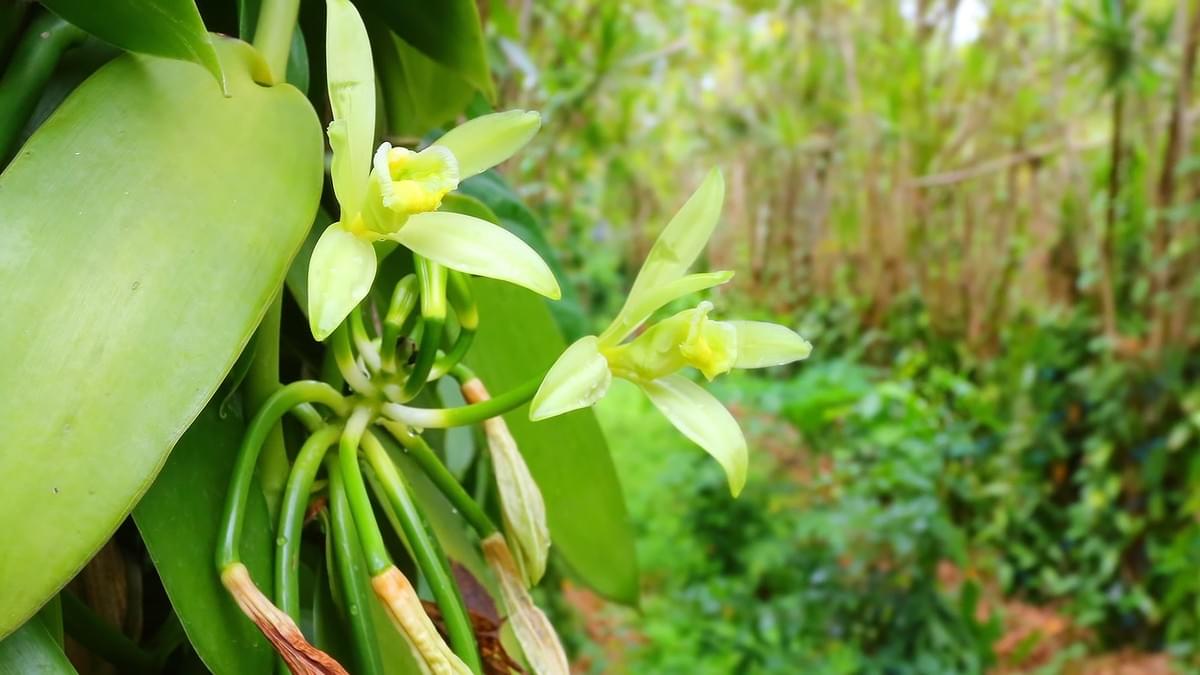
But where does this beloved ingredient actually come from? It’s not plucked from a tree like an apple, nor is it a simple spice ground from a seed. The journey of the vanilla pod is far more intricate and fascinating. It begins with a flower, specifically the flower of a tropical orchid. Yes, you read that right – vanilla is an orchid! The plant itself, Vanilla planifolia, is a climbing vine that thrives in warm, humid climates. These beautiful orchids produce delicate flowers that bloom for a single day, and if they aren't pollinated during that brief window, they wither away, never yielding the precious pods we know and love.
Historically, pollination was a tricky business. In its native Mexico, the task was handled by tiny, specific bees and hummingbirds. However, as vanilla cultivation spread to other parts of the world, like Madagascar and Indonesia, those natural pollinators were absent. This led to a revolutionary discovery: hand-pollination. This labor-intensive process is still largely done by hand today. Skilled workers carefully use a small bamboo stick or their thumb to transfer pollen from the male part of the orchid to the female stigma. It’s a delicate dance, performed under the tropical sun, ensuring the future of our vanilla supply.
After pollination, the plant develops a long, green fruit, which is the vanilla bean or pod. But the journey isn't over yet! These green pods have very little of the characteristic vanilla flavor. They must undergo a lengthy curing process, which involves wilting, sweating, and drying over several months. This meticulous drying and curing is what develops the thousands of aromatic compounds that give vanilla its complex, rich, and utterly delightful taste and smell. It's a testament to the power of patience and nature's ability to transform the simple into the extraordinary.
So, how can you enjoy this exquisite ingredient even more? Firstly, embrace the real deal. While artificial vanillin is common, pure vanilla extract offers a depth of flavor that simply can’t be replicated. Look for extract that lists vanilla beans as the first ingredient. For an even more intense experience, try scraping the seeds from a vanilla bean into your custards, creams, or even your morning oatmeal. The tiny black specks are packed with flavor! And don't be afraid to experiment beyond baking. A tiny drop of vanilla extract can elevate savory dishes, like a pork roast or a chili. So next time you reach for that comforting scent or flavor, remember the incredible journey of the vanilla pod – a true marvel of nature and human dedication.