
Where Does A Chicken Lay An Egg From
Have you ever stopped to think about the magical little packages that appear in our kitchens almost like clockwork? We're talking about eggs, of course! They're such a common sight, but have you ever really, truly wondered about the journey of an egg before it lands in your frying pan?
It’s a question that sparks a bit of wonder, isn't it? Like a tiny mystery waiting to be solved. Where does this smooth, oval marvel come from? It’s not like a stork delivers them, right? (Though sometimes, the way they just appear can feel a bit like magic!). The answer, for anyone who’s ever met a chicken, is pretty straightforward, but also incredibly cool.
So, drumroll please… a chicken lays an egg from its cloaca! Now, that might sound like a fancy word, and it is, but it’s actually a very practical part of a chicken’s anatomy. Think of it as a multi-purpose door. Yes, you read that right – a door that does a few different jobs!
This amazing little opening is where a chicken’s digestive system, urinary tract, and reproductive system all meet. It’s like the ultimate central hub. So, when nature calls for a number two (poop), or when a hen is ready to share her latest creation, it all happens through this one handy spot.
It’s a brilliant bit of biological engineering, really! Nature’s way of being efficient.
How Does A Chicken Lay An Egg

When we think about an egg, we usually picture that perfectly formed shell, the white, and the sunny yellow yolk. That whole incredible structure is built inside the hen, layer by layer, in a specialized part of her body called the oviduct. The oviduct is like a tiny, internal factory, and it takes a pretty long time to assemble a single egg – around 24 to 26 hours!
Imagine that! It’s a whole production line happening inside a chicken. First, the yolk is released from the ovary. Then, the oviduct gets to work. It adds layers of protein (that’s the albumen, or egg white) and then, the star of the show, the shell. The shell is made mostly of calcium carbonate, and it takes a good chunk of time to form. This is why a hen can only lay one egg a day, at most. She needs that time to build her next masterpiece.
Once the egg is fully formed and ready to go, it’s time for its grand exit. And that exit, as we discovered, is through the cloaca. So, while the egg itself is formed in the oviduct, the final act of laying happens through this very special, multi-talented opening.
Isn’t that fascinating? It’s not a separate little “egg-laying hole.” It’s all connected, all part of the same efficient system. This is what makes watching a hen lay an egg so intriguing. You’re witnessing a beautiful, natural process that’s been happening for thousands of years.
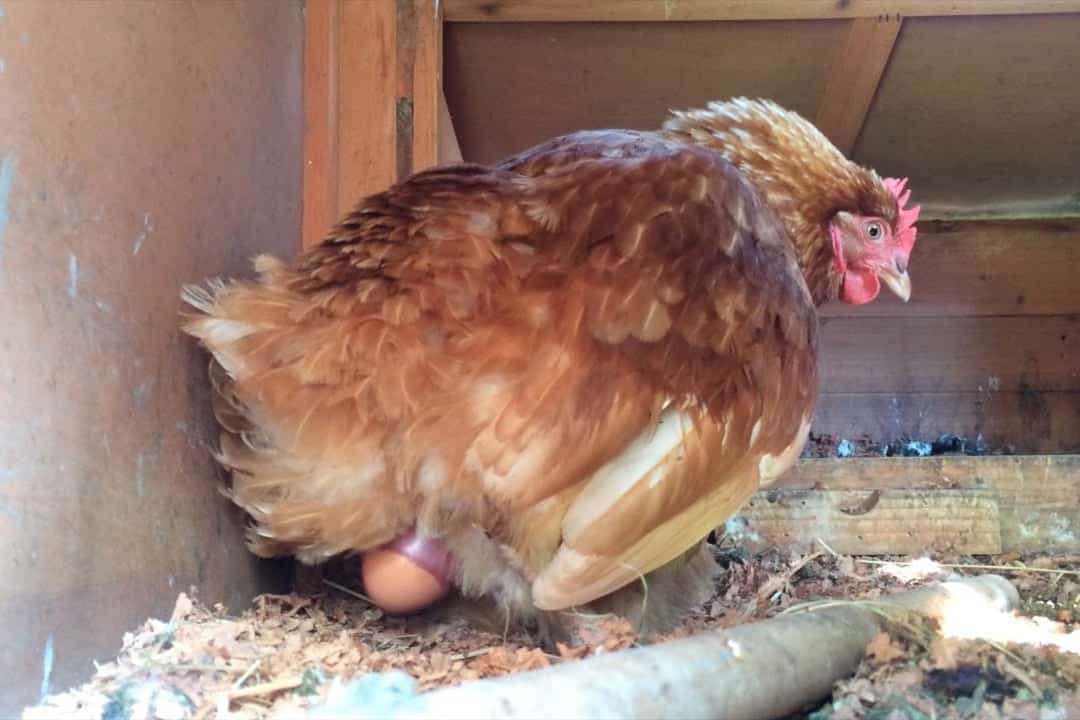
If you ever have the chance to see a chicken lay an egg, take a moment to appreciate it. You’ll see her puff up a bit, maybe make some funny little noises, and then, with a gentle push, out pops the egg. It’s a moment of pure, unadulterated nature in action.
The cloaca isn't just a passive exit point; it plays a role in the process. It helps to push the egg out. It’s a bit like a skilled stage manager ensuring the star performer makes a smooth entrance onto the world’s stage!
It’s also worth remembering that not all hens lay eggs every day. Factors like age, breed, diet, and even the amount of daylight can affect their laying cycle. So, if you have backyard chickens, their egg-laying schedule can be a bit of a fun guessing game!
And think about the shells. They’re not just pretty coverings. They are porous, meaning they have tiny holes that allow the developing chick to breathe inside. This is absolutely vital if the egg is fertilized and has the potential to become a new life. It’s another layer of wonder in something we often take for granted.
So, the next time you crack an egg for breakfast, or admire a carton of them at the grocery store, take a moment to think about the incredible journey that egg took. From the intricate factory of the hen’s oviduct to its final, efficient exit through the cloaca, it’s a small miracle of the natural world.
It’s a story of biological marvel, of efficiency, and of the simple, profound beauty of life. It reminds us that even the most ordinary things can have extraordinary origins. And that, my friends, is pretty special indeed. It makes you want to go out and watch a chicken, doesn't it? Just to catch a glimpse of that little bit of magic happening.