
Where Do Milk Kefir Grains Come From
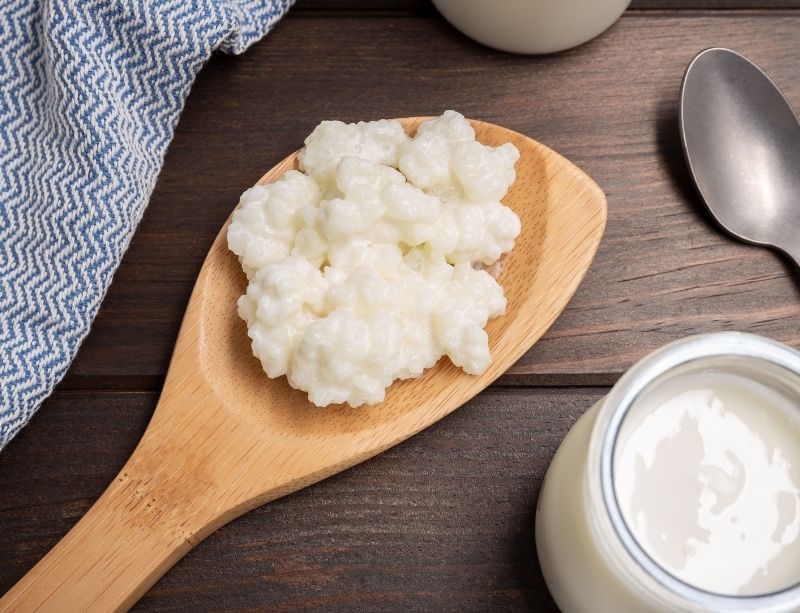
Ever wondered about those little, lumpy things that magically turn milk into a bubbly, tangy drink? We’re talking about milk kefir grains! They sound a bit mysterious, don't they? Like something you’d find in a fairy tale or a secret potion. But the truth is, these little wonders have a history that’s as fascinating as the delicious drink they create.
So, where do these magical grains actually come from? Prepare yourself, because the answer might surprise you. They aren't grown in a lab or manufactured in a factory. Nope! These kefir grains are actually living, breathing colonies of bacteria and yeasts. Think of them as tiny, microscopic party animals that love to munch on milk.
Imagine a community of tiny organisms, happily coexisting. That’s essentially what you have in a kefir grain. They’re a symbiotic relationship, which is a fancy way of saying they all work together to create something amazing. The bacteria and yeasts form a cozy, gelatinous matrix around themselves, creating those unique cauliflower-like clusters we call grains.
Now, the really fun part is their origin story. While the exact geographical birthplace is a bit fuzzy, the most widely accepted and romantic tale points us towards the Caucasus Mountains. Picture this: rugged, majestic peaks, crisp, clean air, and ancient traditions. It's believed that people living in this region, centuries upon centuries ago, discovered the magic of fermenting milk.
How did they discover it, you ask? Well, it’s thought that they stored milk in animal skins or bags. These containers, naturally carrying the microbes from the animals, would have been left out in the sun or at room temperature. Over time, the milk would start to fizz and transform. Instead of spoiling, it would turn into something quite delightful and, importantly, last longer!

This wasn't just a happy accident; it was a game-changer for survival in those times. Having a stable, preserved form of milk meant more food security. And as these people continued to make this fermented milk, they noticed something else. When they strained the milk to drink, some of the chunky bits were left behind. They probably thought, "Hey, what's this stuff?"
And the rest, as they say, is history! They realized that these bits, these kefir grains, were the key to making more of that wonderful fermented milk. So, they started adding these grains back into fresh milk. It’s like they discovered a secret ingredient that kept on giving! This process of taking the grains from one batch and using them for the next is called perpetual fermentation.
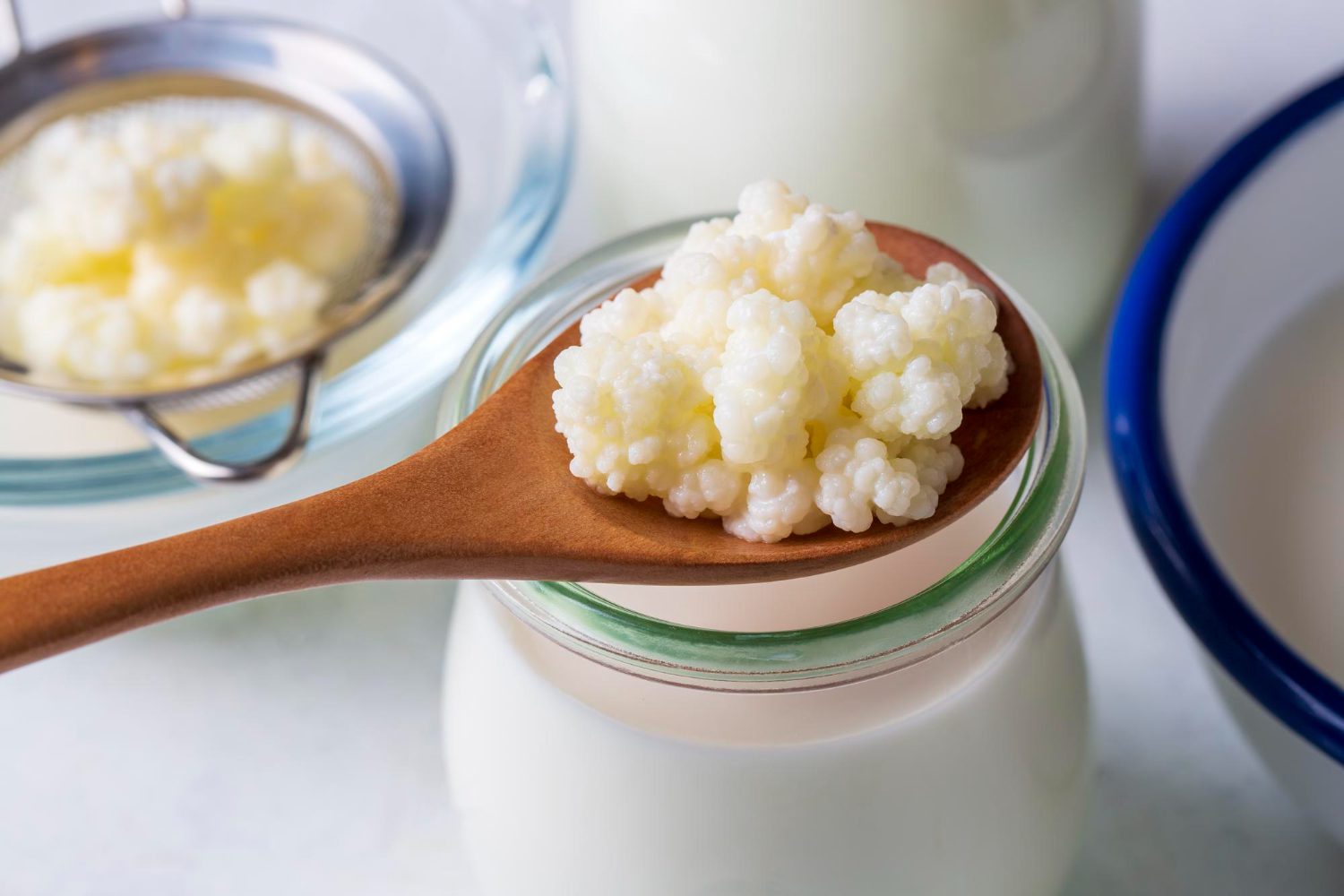
It’s a gift that’s been passed down through generations. Think of it as an ancestral secret, a culinary heirloom. Families would share their precious grains with neighbors and friends, ensuring that everyone could enjoy the benefits of this fermented treasure. This is why, even today, you can often get kefir grains from a friend or a fellow enthusiast. It’s all about sharing the love!
So, when you get your own kefir grains, you're not just getting a food-making tool. You're actually getting a piece of history! You’re tapping into a tradition that’s thousands of years old. It’s like having a little bit of the Caucasus Mountains living in your kitchen.
The process of making milk kefir is wonderfully simple and engaging. You just need some milk (cow’s milk, goat’s milk, or even sheep’s milk works great!) and your kefir grains. You combine them, let them sit at room temperature for about 24 hours, and voilà! You have fresh, delicious kefir. Then, you strain the grains out, feed them fresh milk, and the cycle continues.

It's this cyclical nature that makes it so special. Your grains will grow and multiply over time. You’ll have more grains than you started with, which means you can make more kefir or even share them with someone new! It's a truly sustainable and rewarding hobby.
What makes it so entertaining? Well, for starters, it's like having a tiny, fizzy pet that you get to feed and watch grow. You can experiment with different types of milk to see how it affects the taste and texture. Some people like their kefir extra thick, others prefer it thinner and tangier. It’s all about finding your perfect cup.

And the taste! Oh, the taste is something else. It’s a delightful blend of creamy and tart, with a subtle fizz that tickles your tongue. It’s so much more interesting and complex than plain milk. Plus, it’s packed with all sorts of good stuff for your tummy, which is a pretty neat bonus.
So, the next time you see milk kefir grains, remember their incredible journey. From the ancient Caucasus Mountains to your kitchen, they carry a story of discovery, tradition, and the magic of fermentation. They are a living link to our past and a delicious way to create something wonderful in the present. It's no wonder people are so passionate about them!