
Where Do Flies Go In The Winter Time

Ever find yourself wondering about those pesky flies that seem to vanish into thin air when the first chill hits? It’s like they’ve packed their tiny bags and jetted off to a warmer climate, right? But the truth is far more fascinating, and honestly, a little bit like a secret detective story happening all around us!
Forget about sandy beaches and fruity drinks for our buzzing buddies. While we’re bundled up in sweaters, the flies are engaged in some seriously clever winter survival strategies. It’s not a single, grand escape for all of them. Instead, it’s a collection of ingenious tactics that keep the fly population from becoming a frosty memory.
Think about it: the world slows down in winter. The vibrant green world of summer fades to muted browns and grays. Many of the plants that flies love are no longer blooming. The yummy rotting stuff they feast on might freeze solid. So, what’s a fly to do?
Well, some of our common housefly friends, the ones you might see bumbling around your kitchen, have a pretty neat trick up their tiny sleeves. They don’t necessarily go anywhere exciting. Instead, they enter a state of suspended animation. It’s like they’re hitting the snooze button on life!
This amazing survival mode is called diapause. Sounds fancy, doesn’t it? But it’s really just a fancy word for a really long, deep sleep. They slow down their metabolism so much that it’s barely ticking over. This allows them to conserve energy and survive the harsh conditions.
Imagine being able to just… stop. No more buzzing, no more flying around. Just a quiet, still existence until the weather warms up again. It’s the ultimate winter nap, and for flies, it’s the key to their survival.
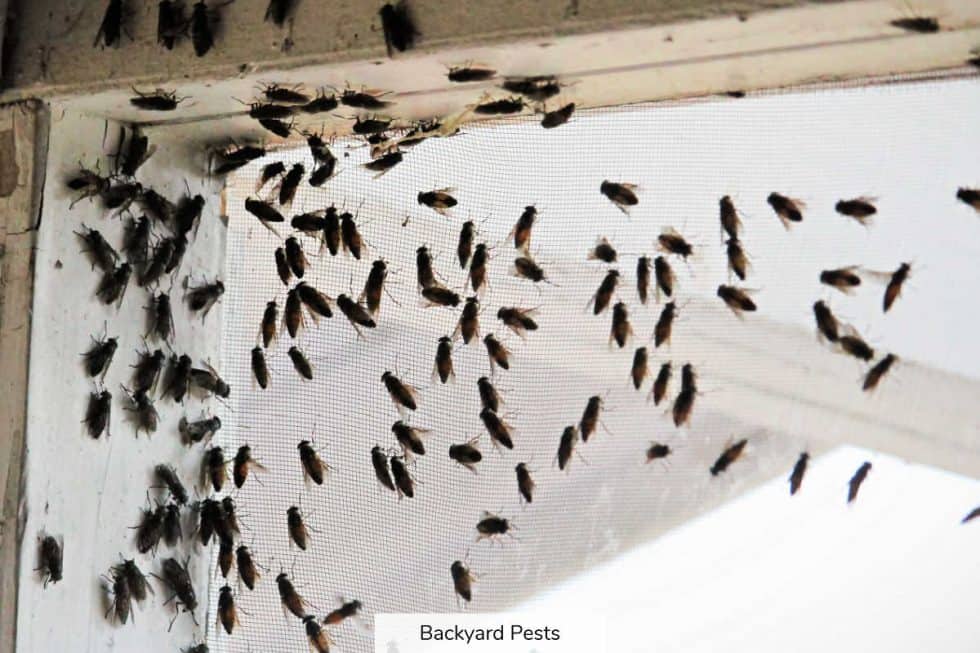
So, where do they find their cozy, frozen-in-time napping spots? They’re surprisingly close to home. You might find them tucked away in cracks and crevices. Think about the tiny gaps in your window frames, or the spaces behind loose wallpaper. Even in the dark corners of your garage or shed.
These sheltered locations offer protection from the biting wind and freezing temperatures. They’re like tiny, natural hibernation chambers. It’s a bit like us finding the perfect spot on the couch with a blanket and a good book, but on a much, much smaller and more intense scale.

And it's not just adult flies that are doing this. Many flies also lay their eggs in protected places before winter hits. These eggs then go through their own version of diapause. They wait patiently for the right conditions to hatch.
This means that when spring finally arrives and things start to warm up, these sleeping beauties (and their future offspring) wake up ready to go. It’s like a mass awakening, and suddenly, those buzzing buddies are back in full force!
But what about the flies that live outside? The ones you see buzzing around flowers or, let’s be honest, sometimes around picnics? They have their own winter plans.
Many fly species, like those that live in your garden, also rely on diapause. They might find refuge in the soil. Or perhaps they’ll burrow into rotting logs or leaf litter. These natural insulation layers provide just enough warmth to keep them from freezing solid.
Think of a pile of autumn leaves. It looks so ordinary, right? But for many tiny creatures, including fly larvae and pupae, it’s a bustling winter hotel! The leaves trap air, creating a warmer microclimate underneath.
The larval stage, which is basically a tiny fly-to-be, is particularly good at this. They might be found munching on decaying organic matter, getting ready for their transformation. The cold weather simply slows down their development until it's safe to continue.
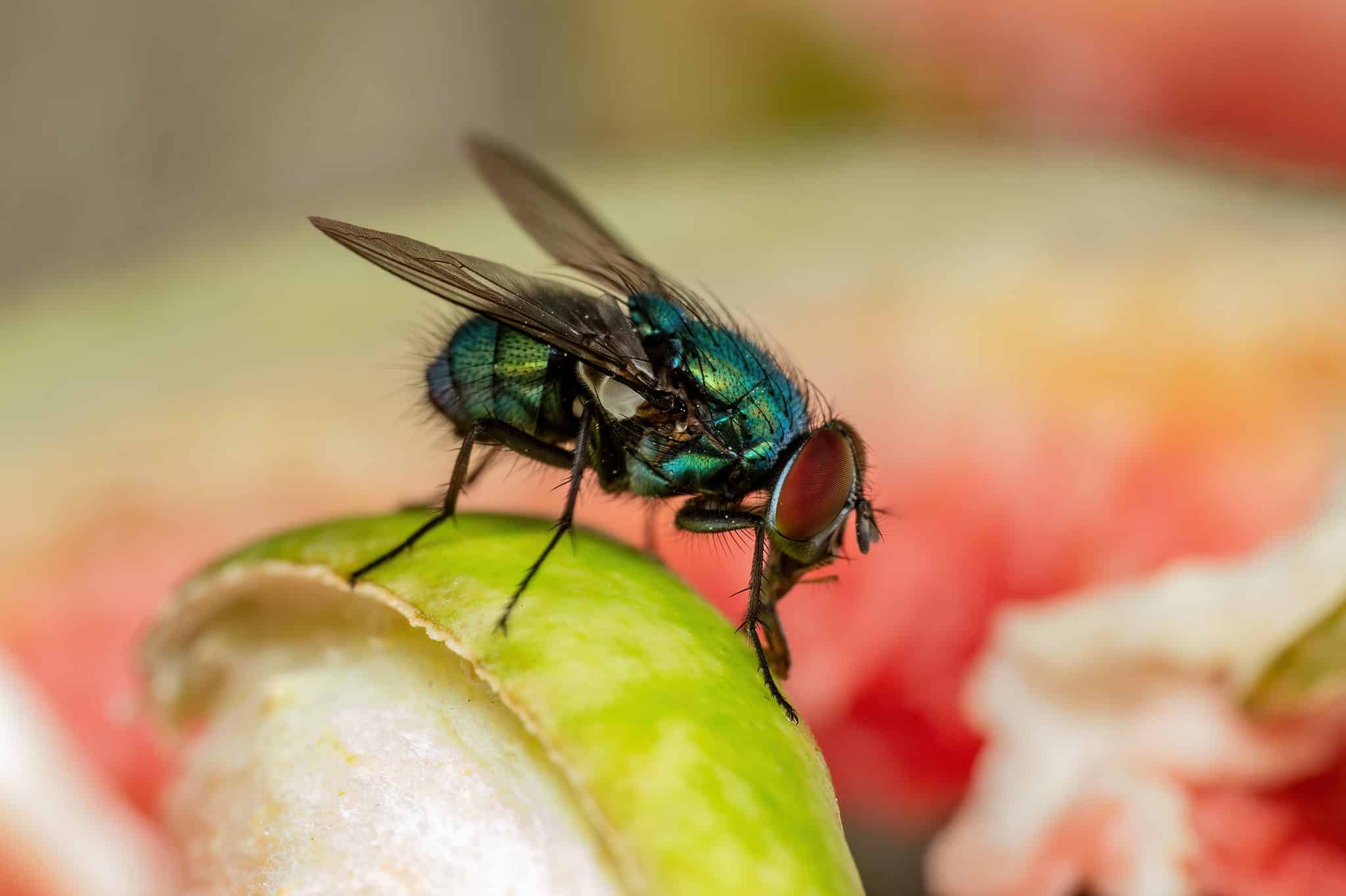
It’s a brilliant strategy, really. Why risk the harshness of winter when you can simply pause your life until it’s over? It’s a testament to the incredible adaptability of nature.
Some flies also have different life cycles. Not all of them overwinter as adults. Many species have eggs, larvae, or pupae that are more resistant to cold. These stages are the ones that survive the winter months.
The pupa stage is particularly interesting. This is the stage where a larva transforms into an adult fly. It's like a chrysalis for butterflies, but often less showy. These pupal cases can be incredibly tough and protective.
These tough little cases can withstand freezing temperatures. They protect the developing fly inside. Once spring arrives, the adult fly emerges, ready to face the world.
It's a cycle of life that's been perfected over millions of years. The flies that weren't good at surviving winter simply didn't pass on their genes. It’s nature’s way of weeding out the less resilient.
What’s so entertaining about this is the sheer ingenuity. We often see flies as a nuisance, but they are also master survivors. They have evolved incredible strategies to keep their species going.
The idea of a whole population of flies just… chilling out, waiting for spring, is quite funny when you think about it. No frantic buzzing, no trying to escape your fly swatter. Just a peaceful, frozen slumber.
And the fact that they’re often hiding in plain sight! That tiny crack in your windowsill? It could be a five-star hotel for a hibernating fly. That forgotten corner of your shed? A bustling community of sleepy larvae.
It makes you look at your surroundings a little differently, doesn't it? You start to see the potential for hidden life everywhere. Every dark nook and cranny could be a secret hideout for our winter-weary fly friends.
It’s also special because it reminds us that even the smallest creatures have complex lives. We might swat them away, but they have their own amazing stories of survival. Their winter journey is a testament to life’s persistence.
So, the next time you notice a lack of buzzing in the winter, don’t assume they’ve all disappeared. They’re just taking a well-deserved break. They’re living out their own little winter tales, hidden away, waiting for their moment to return.

It’s a quiet revolution happening all around us. A testament to the resilience of life. The flies are not gone; they are simply paused, waiting for the sun to call them back to action.
And when spring arrives, and you see those first few flies reappearing, you can smile knowing the incredible journey they’ve been on. From their cozy crevices and leafy beds, they’ve emerged, ready to buzz into our lives once more.
It's like a tiny, annual rebirth. A predictable return of our often-unwelcome, but undeniably resilient, winged companions.
So, where do flies go in the winter? They go into hiding, into a deep, slow-motion slumber, waiting for the promise of warmer days. They become masters of patience, proving that even the smallest among us can endure the harshest of seasons.
And perhaps, just perhaps, the next time you see a fly, you’ll think of its amazing winter survival story and see it with a little more wonder. You might even find yourself curious to peek into those dark corners, wondering about the tiny, quiet lives that are unfolding just out of sight.
It’s a secret world, waiting to be discovered, right under our noses (and in our window frames!). It’s the magic of winter, fly-style!