
Where Can You See Puffins In England

Right, let's talk puffins. You know, those little chaps with the ridiculously colourful beaks and the waddle that could win them a gold medal at the Olympics? Adorable, aren't they? They're like tiny, tuxedo-wearing comedians of the bird world. And if you're anything like me, the thought of seeing one in its natural, slightly chaotic habitat is just… pure joy.
Now, some people get all dramatic about puffins. They talk about far-flung islands, long boat trips, and winds that could blow your hat off a continent away. And yes, those places are lovely. But, and here’s my slightly unpopular opinion, do you really need to go all the way to Iceland or the Outer Hebrides to get your puffin fix? I’m not so sure.
Because, and I'm going to let you in on a little secret, you can see puffins in England. Yes, you heard me. Proper, live, puffin-shaped puffins. No need to pack your thermal undies or learn to speak Norwegian (unless you want to, of course. No judgment here!).
The place you need to have firmly imprinted on your brain, the little gem that holds the key to your puffin dreams on English soil, is The Farne Islands. Say it with me: The Farne Islands. Sounds a bit mystical, doesn’t it? Like a place where dragons might have once roamed, or where pirates hid their treasure. And while there aren't any dragons (as far as I know!), there’s certainly treasure in the form of thousands upon thousands of seabirds.
So, where exactly are these magical islands? They're off the coast of Northumberland. That’s in the northeast of England, for those of you whose geography is a little… hazy. Think dramatic cliffs, a bracing sea breeze, and a sky absolutely buzzing with life.
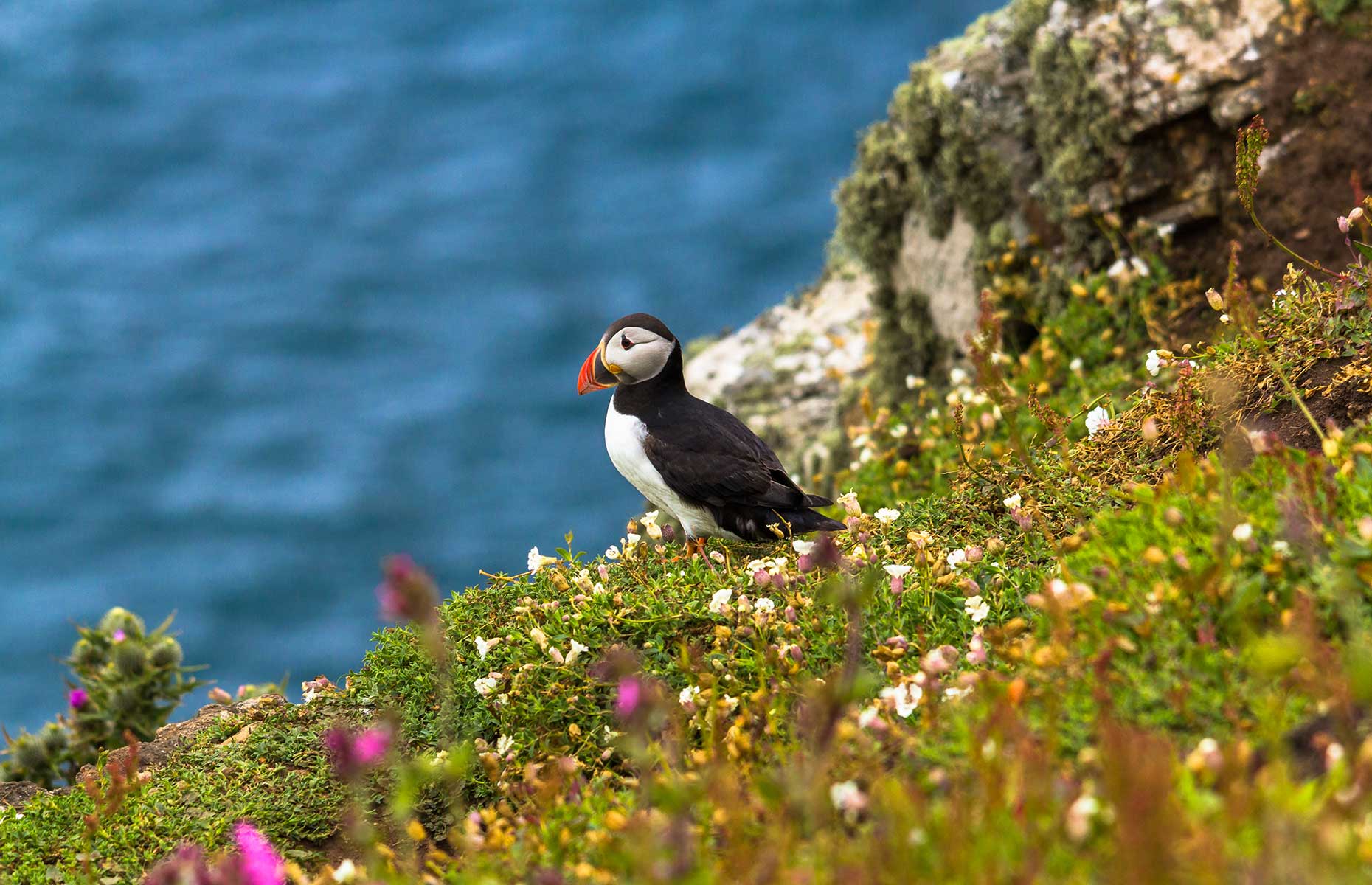
Getting to the Farne Islands is part of the adventure. You’ll typically catch a boat from a place called Seahouses. It’s a charming little fishing village. You can grab a chip butty, inhale the salty air, and then hop on a boat that will whisk you away to puffin paradise. Easy peasy.
Now, the boat trip itself is usually an experience. You’ll probably be sharing the boat with other eager birdwatchers, all armed with cameras and an almost unbearable level of excitement. And the boatmen are usually pretty clued up. They know where the puffins hang out, and they’ll do their best to give you a good view. Sometimes, if the seas are calm, the boats will even take you right up to the islands, so you can get a proper eyeful.

And then… you see them. Or rather, you see lots of them. The puffins on the Farne Islands are famously unafraid. They’re used to people. They’re busy. They’re probably judging your fashion choices, but mostly they’re just doing their puffin thing. They’ll be waddling, they’ll be flying (in their slightly comical, propeller-like way), and they’ll definitely be carrying fish in their beaks. It’s quite a sight. They look like they’ve just raided a tiny fish buffet and are desperately trying to get it all home without dropping a single anchovy.
You can actually land on some of the islands, like Inner Farne or Staple Island. This is where the real magic happens. You can walk along designated paths, and the puffins will be all around you. Seriously, all around you. They nest in burrows, so they’re often popping out of the ground right near where you’re standing. It’s like walking through a puffin convention.
It’s important to remember that these are wild animals. While they're used to people, it's still vital to respect their space. Stick to the paths, keep your voice down, and absolutely no feeding them. They have a perfectly good fish diet, thank you very much. And for goodness sake, don’t try to pick them up. They’re not fluffy toys, however much you might want one to tuck into your pocket.

The best time to see puffins on the Farne Islands is generally from April to late July. That’s their breeding season. Outside of these months, they tend to head out to sea. So, if you’re planning your puffin pilgrimage, make sure you time it right.
Imagine this: you’re standing on a windswept island, the sun (hopefully!) is shining, and you’re surrounded by the cheerful, squawking symphony of thousands of seabirds. And then, you spot the one. A puffin, with its bright orange feet and its face painted like a clown, waddling past you with all the importance of a CEO. It’s utterly delightful. It’s the kind of moment that makes you feel truly alive.
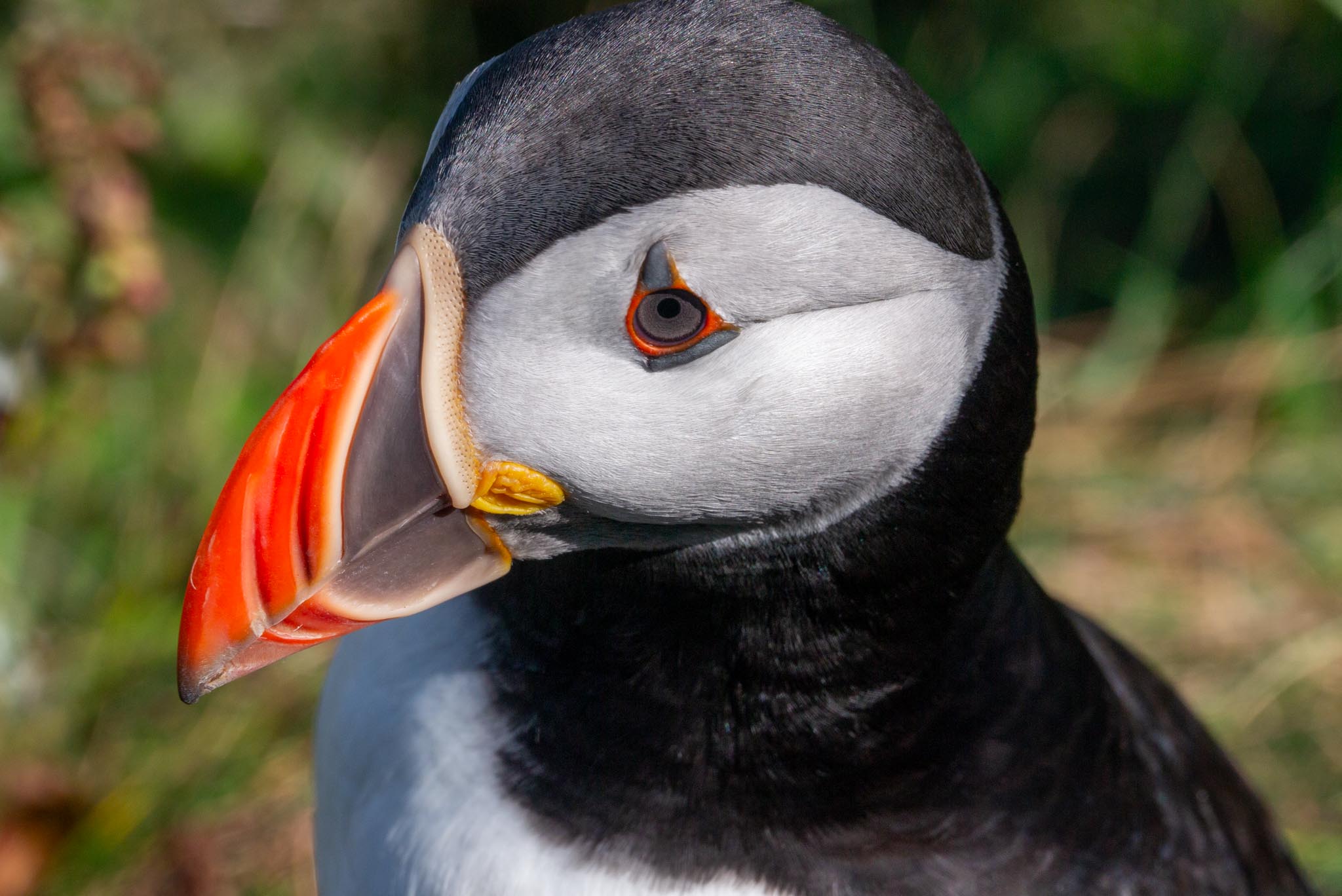
"You don't need to cross oceans for a dose of puffin perfection."
So, the next time someone starts talking about epic puffin adventures involving ancient ships and the Arctic Circle, you can just smile knowingly. You know the secret. You know about The Farne Islands. You know that sometimes, the most wonderful things are closer than you think. And who knows, you might even come away with a newfound appreciation for a good waddle. They’ve certainly earned my respect.
Honestly, the sheer density of puffins on the Farne Islands is breathtaking. You’ll see them crammed onto the cliff edges, bobbing on the waves, and doing their frantic, fish-laden flights. It’s a wildlife spectacle that rivals anything you’d find much further afield. And the fact that it’s all happening right here in England? That’s just the cherry on top of the fishy cake.
So, if you’re looking for a truly memorable wildlife experience that’s easy to access and guaranteed to put a smile on your face, make a note of Northumberland and the magnificent Farne Islands. You won't regret it. And who knows, you might just find yourself cheering on a particularly enthusiastic waddler.