
Where Can You Metal Detect In The Uk

Ever dreamt of unearthing a forgotten treasure? Like, a proper pirate chest kind of treasure? Or maybe just a really old coin that tells a story? Well, my friend, you're in luck! Metal detecting in the UK is a thing. A brilliant thing. And it's way more accessible than you might think. So, let's dive into where you can wave that magical wand (okay, it's a detector) and see what secrets the ground holds.
First off, let's get this out of the way: you can't just rock up anywhere with a metal detector and start digging. That's a big no-no. There are rules. And they're important. But don't let that put you off! Think of them as the secret handshake to the world of historical finds.
Beach Bliss and Beyond!
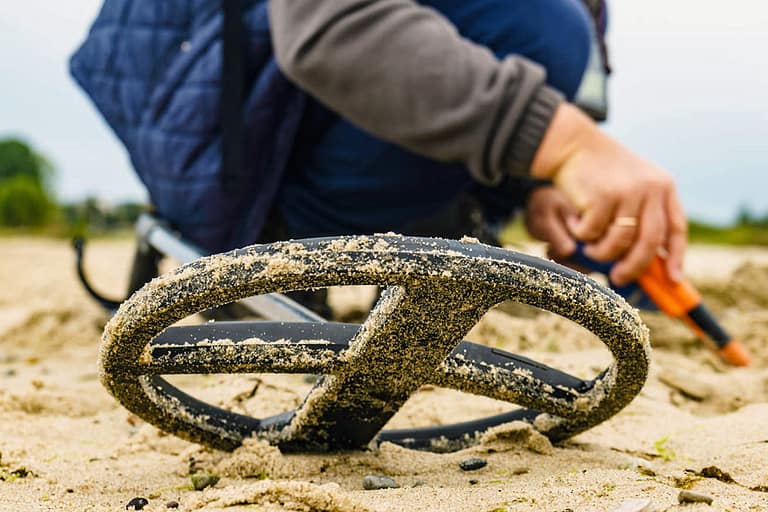
Beaches. Oh, the beaches! They are a metal detectorist's playground. Seriously. Think about it. People lose stuff all the time at the seaside. From shiny new earrings to those pesky car keys. Plus, the tide is constantly shifting things around, burying and revealing hidden gems. It's like nature's own treasure map!
So, what kind of treasures are we talking about? Coins, obviously. Lots of them. Old ones, new ones, foreign ones. You might even find some cool jewellery. Imagine finding a silver bracelet that’s been lost for decades! Or a signet ring that belonged to someone fancy from way back when. It’s exciting stuff.
A funny thought: picture a seagull trying to steal your find. They’re notorious for being curious, aren't they? Keep an eye on your treasures!
Permission is your Pal!
Now, for the crucial bit. Most beaches are public land, which is fantastic. But it's always, always a good idea to check with the local council or landowner. A quick email or phone call can save you a lot of hassle. And it shows you're a responsible detectorist. Nobody wants to be that person who gets told off by a lifeguard.
Some beaches might have specific rules, like "no digging" areas. Respect those! It's all about enjoying the hobby without causing problems. Think of it as a gentleman's (or gentlewoman's!) agreement with the beach.
Fields of Dreams (and Finds!)
Beyond the sandy shores, the countryside beckons. And by countryside, I mean fields. Lots and lots of fields. Old farmland, especially, can be a goldmine. Why? Because historically, people lived and worked on farms. And when people live and work, they drop things. Coins, tools, bits of metal from old farm equipment. You name it.

Imagine the stories these fields could tell! A Roman soldier might have lost a coin walking through here. A medieval farmer might have dropped his ploughshare. It’s like walking through a living history book, but you’re the one flipping the pages. How cool is that?
Quirky fact: Some of the best finds are often just a few inches below the surface. You don't need to be digging to China! Patience and a good detector are key.
Landowner Love
Here's where things get a bit more involved. To detect on private farmland, you absolutely need permission from the landowner. No exceptions. This is super important. Think of it as borrowing their garden. You wouldn't just dig up their prize-winning roses without asking, right?
Building a good relationship with landowners is key. Be polite, be respectful, and offer to show them any interesting finds. Often, they're just as curious as you are! Some detectorists even become friends with local farmers, which is brilliant for ongoing detecting opportunities. Plus, you might get offered a nice cup of tea and a biscuit.
The Detectorists TV show made this look pretty glamorous, didn't it? But in reality, it's often about quiet chats over a cuppa. And that’s pretty special too.

Historic Sites: A No-Go Zone (Mostly!)
Now, let’s talk about the places you shouldn't go. Generally, any site that's protected by law, like Scheduled Ancient Monuments (SAMs) or archaeological sites, is off-limits for metal detecting. These places are preserved for a reason. They're important pieces of our history, and digging them up could destroy valuable information for archaeologists.
Think of it like this: you wouldn't want someone digging up your family photo album, would you? These sites are like the nation's photo albums. We need to protect them.
There are some exceptions, like certain types of land with historical associations where permission might be granted under strict conditions, but it's generally best to steer clear of designated historical sites unless you're an archaeologist yourself.
The Portable Antiquities Scheme
Okay, so you find something really interesting. Something old. What do you do? Well, in the UK, we have something called the <Portable Antiquities Scheme>. It's fantastic! If you find something that might be historically significant (like coins over 300 years old, or metal objects with precious metal content), you should report it.
You can take it to a local museum or a designated Finds Liaison Officer. They'll record it, and it might even end up on display for everyone to enjoy! It’s your chance to contribute to our understanding of history. How awesome is that? You’re basically a part-time historian!
It's a great way to ensure that these finds don't just disappear into private collections but are recorded and potentially shared. It's a win-win for everyone.
Woodlands: Whispers of the Past
Woodlands can be surprisingly productive. Think about ancient tracks, old settlements that have been reclaimed by nature, or even old picnic spots where people have dropped things over the years. It’s a bit more challenging than an open field, as you have trees and roots to contend with, but the rewards can be well worth the effort.
Imagine stumbling upon a clearing where a medieval village once stood. Or finding a discarded coin near an old walking path. The atmosphere in a quiet wood can be quite magical when you’re detecting.
Permission is Key (Again!)
Just like with fields, if you're detecting in a woodland that's privately owned, you need permission from the landowner. Forestry England manages large areas of woodland, and they often have specific policies regarding metal detecting. It's always worth checking their guidelines.
And be mindful of the environment. Don't trample on delicate plants or disturb wildlife. Leave the woods as you found them, if not better.

Public Parks: A Mixed Bag
Public parks can be a bit of a lottery. Some parks are great for finding lost modern coins, dropped jewellery, or even old buttons. Think of all the people who stroll, picnic, and play in parks every day. Stuff gets lost!
However, many public parks are also designated green spaces with specific rules. Some might have outright bans on metal detecting. Others might require specific permits or have designated areas where it’s allowed. It’s crucial to check the park's rules and regulations before you go.
A quick search on the local council's website for the park in question is usually a good starting point. Don't just assume it's okay!
Be a Responsible Detectorist!
This is the most important part, really. Being a metal detectorist is about more than just finding stuff. It's about being a responsible custodian of our history and our environment. Always practice the <Code of Conduct> for metal detecting. This means:
- Get permission. We've said it a lot, but it's that important!
- Fill your holes. Leave the ground as you found it.
- Respect the land. Don't damage crops, fences, or anything else.
- Report significant finds. Use the Portable Antiquities Scheme.
- Don't detect on protected sites.
- Be mindful of the environment. Take your litter home.
Metal detecting in the UK is a fantastic hobby. It gets you outdoors, it connects you with history, and it's surprisingly exciting. Whether you're dreaming of Roman coins on a farmer's field or a lost earring on the beach, there are plenty of places to explore. Just remember to be respectful, be informed, and most importantly, have fun!