
Where Can You Dispose Of Light Bulbs
Hey there! So, you've got a burnt-out light bulb, huh? Happens to the best of us. One minute you're basking in its warm glow, the next – poof! – darkness. And then the big question hits: where the heck do these things go? It’s not exactly like tossing a banana peel in the compost. Nope. Light bulbs, my friend, are a bit more… complicated.
Think about it. They're these little glass marvels that bring light into our lives. But when they're done, they become… what? Trash? Special waste? A tiny, incandescent paperweight? It’s enough to make you scratch your head, right?
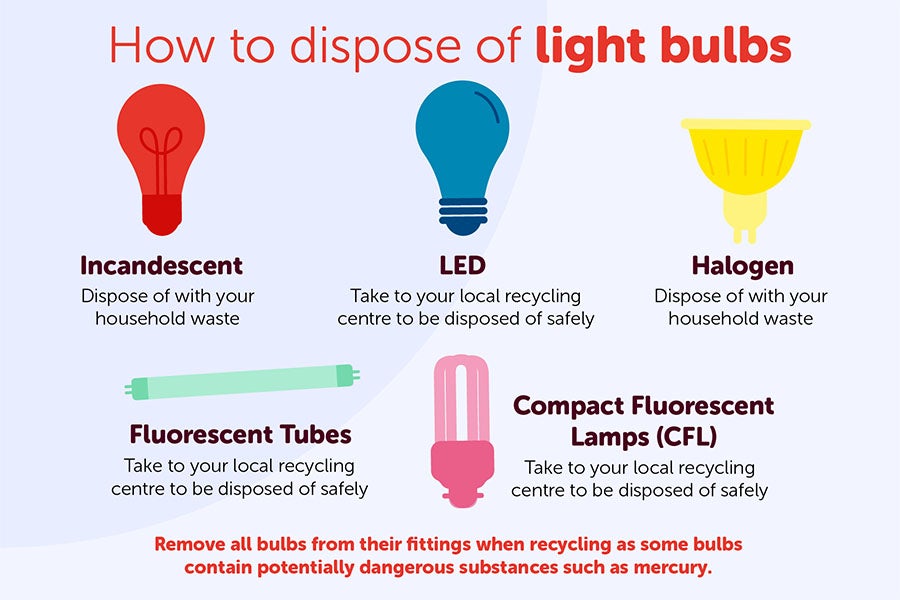
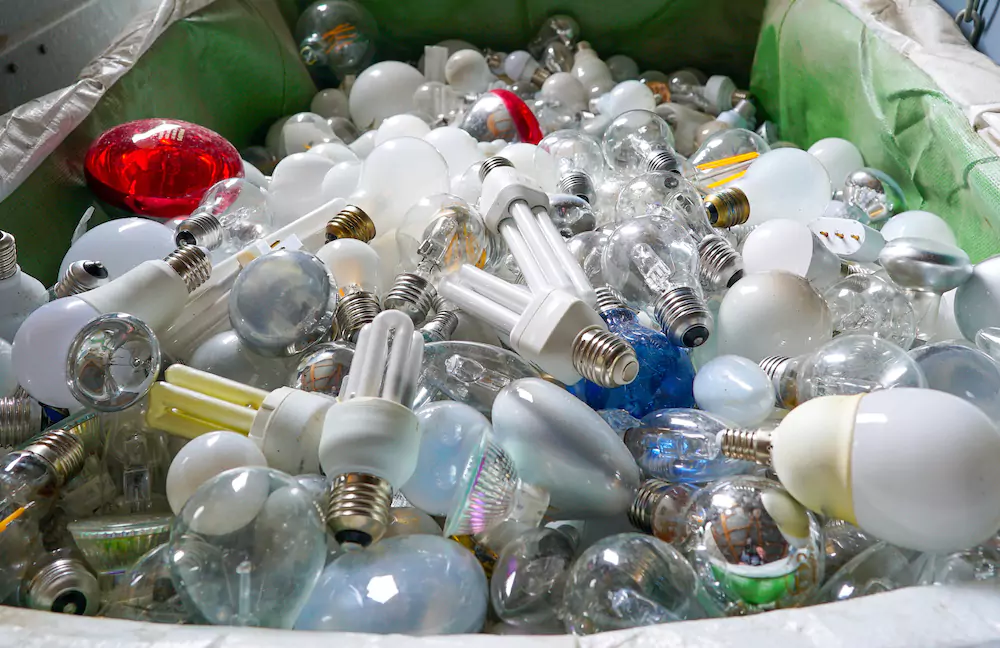
And it’s not just any old bulb, either. Oh no. We've got a whole smorgasbord of bulb types these days. Incandescent, halogen, fluorescent, LED. Each one has its own little personality, and apparently, its own disposal needs. Talk about keeping you on your toes!
So, grab your coffee, settle in, and let's chat about this bright little dilemma. Because nobody wants to be that person tossing a mercury-filled CFL into the regular bin. We're better than that, aren't we?
The Big Light Bulb Breakdown: What Kind Are You Dealing With?
First things first. We gotta figure out what kind of light bulb we're talking about. It’s like asking someone their favorite flavor of ice cream. It dictates the whole conversation, you see.
Incandescent Bulbs: The Old School Charm (and Trash Bin Heroes?)
Ah, the incandescent. The OG of light bulbs. You know, the ones that get super hot to the touch. They were around forever, right? Like your grandma’s favorite armchair. They’re also the easiest to deal with, thankfully.
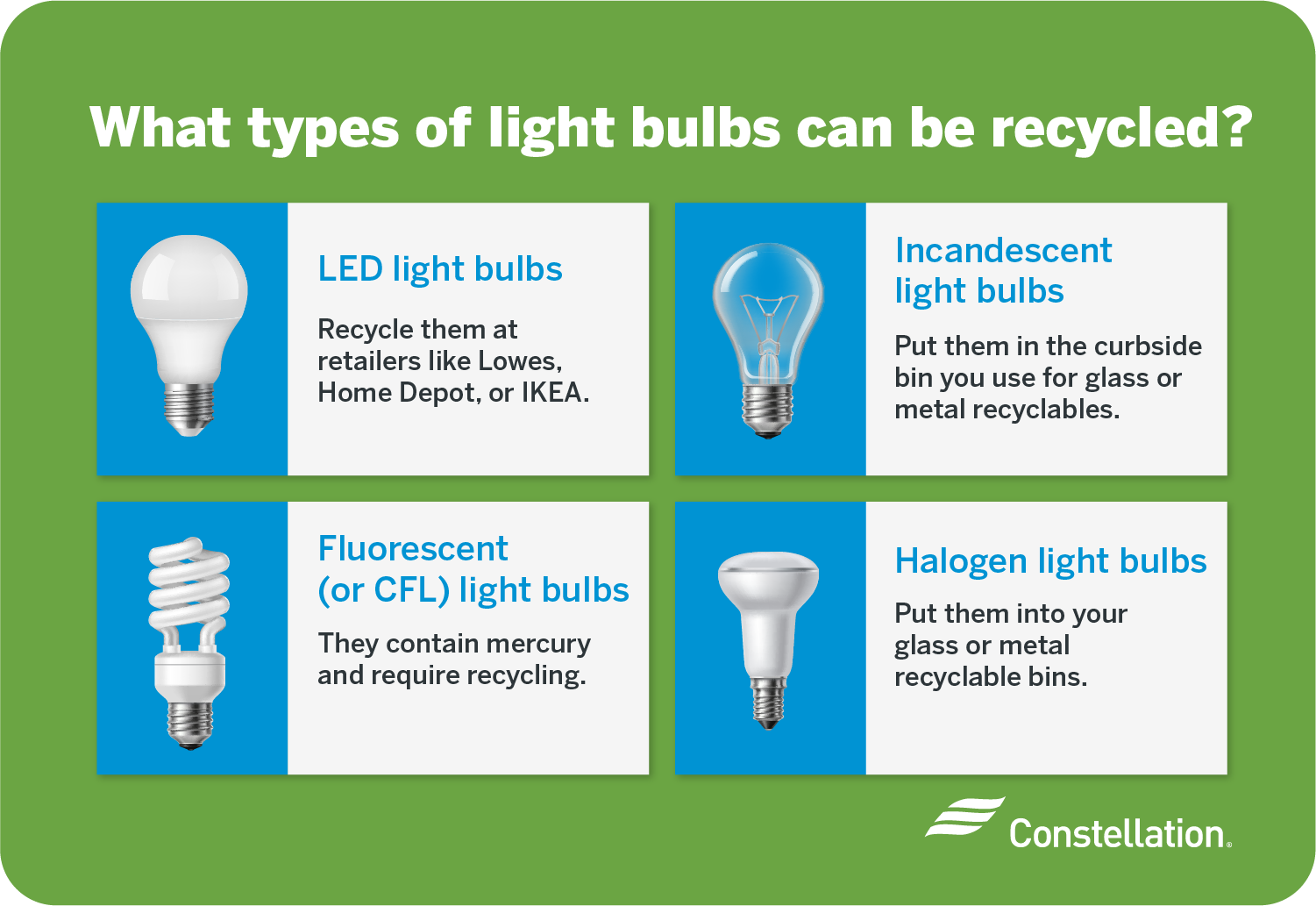
For the most part, if you’ve got a standard incandescent bulb, you can just pop it in your regular trash. Yep, you heard me. Trash. But, and this is a big but (pun intended!), make sure it’s completely cool. Nobody wants a surprise sizzle in their garbage can. And wrap it up a bit. Maybe in some old newspaper or a plastic bag. Just to be extra safe, you know? We don’t want tiny glass shards mingling with everything else.
They’re basically just glass and metal, mostly. No fancy chemicals or anything to make local waste management lose their minds. So, while we're moving towards greener options (which is awesome!), these old timers are relatively benign when it comes to disposal. They’re like the sensible, low-maintenance friend of the bulb world. Easy peasy.
Halogen Bulbs: A Step Up (and Still Mostly Trash-Friendly)
Halogen bulbs are kinda like incandescents' cooler, slightly more efficient cousins. They’ve got that extra little something, that zing. And guess what? They’re often treated the same way as regular incandescents. Yep, the trash bin is usually their final destination.
Again, the golden rule: make sure they're completely cool. Seriously, this is important. You don't want to be dealing with a hot bulb situation. And the wrapping tip? Still applies. Safety first, always!
They have a bit of halogen gas inside, but it's not usually at levels that are considered hazardous for regular household waste. So, you're probably in the clear here. Think of them as the slightly more adventurous sibling who still hangs out with the family. They’re not causing any major drama.
Compact Fluorescent Lamps (CFLs): The Mercury Mini-Bombs (Not Really, But Kinda)
Okay, now we're getting into the trickier territory. Enter the CFLs. These little twisty guys were supposed to save us all from high electricity bills, and they did a pretty good job of that. But… they’ve got a secret ingredient. And that ingredient is mercury.
Yes, mercury. That stuff you hear about in science class and probably want to avoid like a bad date. It’s a small amount, mind you. Like, tiny. But it’s there. And it’s not something you want floating around in a landfill where it could potentially seep into the environment. Yikes!
So, what do you do? You don't toss them in the regular trash. Nope. No way, Jose. This is where you need to be a bit more mindful. Many retailers, like big hardware stores (think Home Depot, Lowe's), have drop-off bins for used CFLs. It's usually free! How cool is that? They’re like little bulb redemption centers. Plus, some local recycling centers or hazardous waste facilities will take them. You might want to check your local municipality’s website for specific instructions. They’re usually pretty good about listing these things.
And if, heaven forbid, you do break one? Don't panic! Open up windows, leave the room for a bit to let the mercury vapor dissipate, and then carefully clean up the broken pieces. Use a damp paper towel or a brush and dustpan, and definitely wear gloves. Then, seal the mess in a glass jar or a sealed plastic bag and take it to a household hazardous waste collection site. It’s a bit of a hassle, but better safe than sorry, right? We’re all about keeping our planet happy and healthy, and that includes avoiding unnecessary mercury exposure. Think of it as a small act of eco-heroism.
LED Bulbs: The Future is Bright (and Recyclable!)
And now for the rockstars of the bulb world: LEDs. These things are amazing! They last forever, they use hardly any electricity, and they’re good for the planet. Win, win, win!
When it comes to disposal, they're kind of a mixed bag, but leaning heavily towards the good. Most LEDs don't contain hazardous materials like mercury. That's a huge plus! However, they do contain electronic components, which means they’re considered e-waste. And e-waste, my friends, is best kept out of the regular landfill.
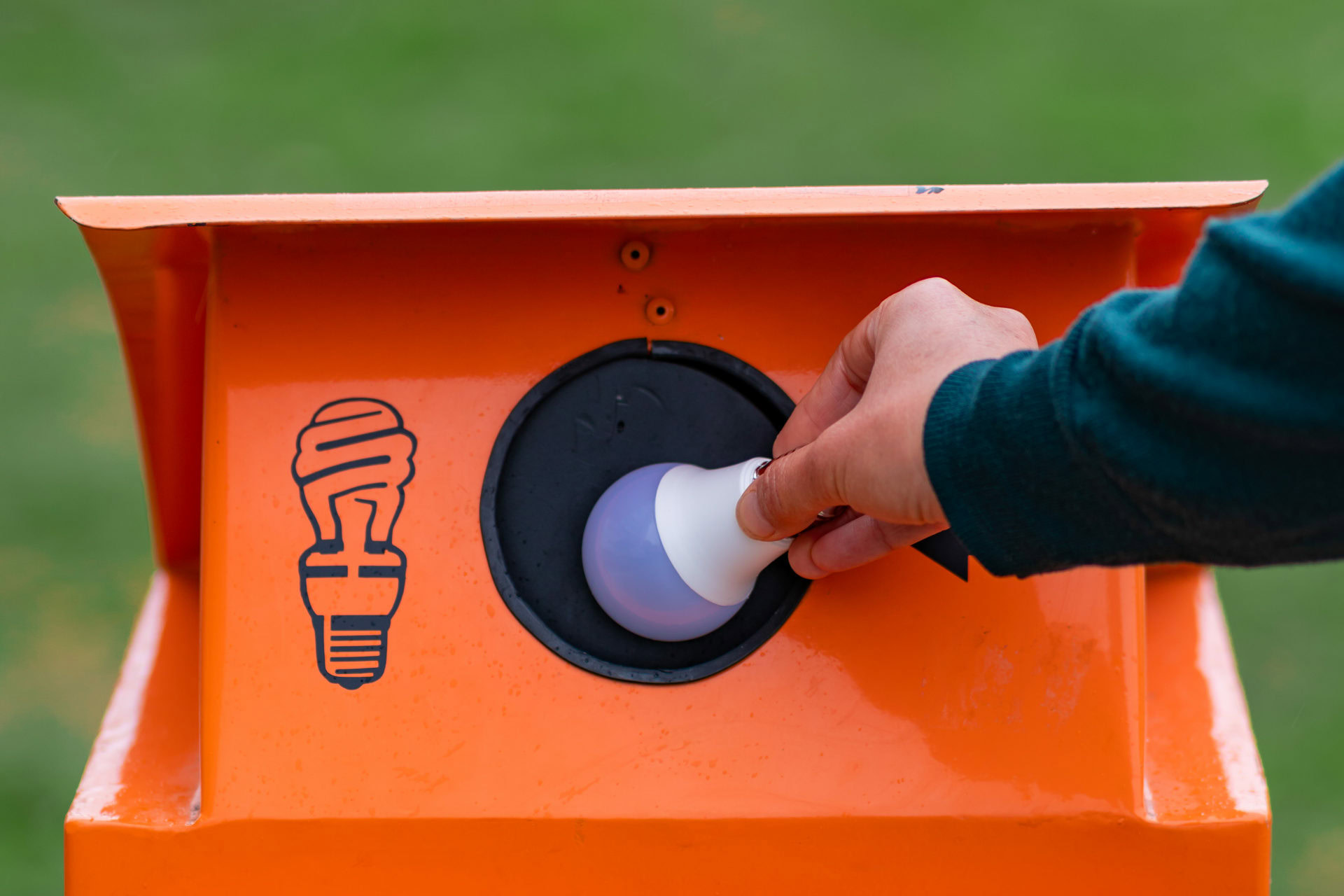
So, where do they go? Again, your local recycling centers are your best bet. Many electronics recycling facilities will accept them. Some retailers that sell LEDs might also have take-back programs. It’s worth checking with your local government’s waste management department. They’ll have the lowdown on where to take your little electronic wonders.
Think of them as tiny computers. You wouldn't toss your old smartphone in the trash, would you? Nope. So, give your LEDs the same respect! They’re packed with little bits and bobs that can be recovered and reused, which is pretty neat. We’re talking about conserving valuable resources here, folks! It’s the responsible thing to do, and frankly, it makes you feel pretty good about yourself. Go you!
The Quest for the Perfect Disposal Spot: Where to Look
So, you’ve identified your bulb. You know it’s not a simple trash job. Now what? Time to become a bulb disposal detective!
Your Local Recycling Center: The Usual Suspects
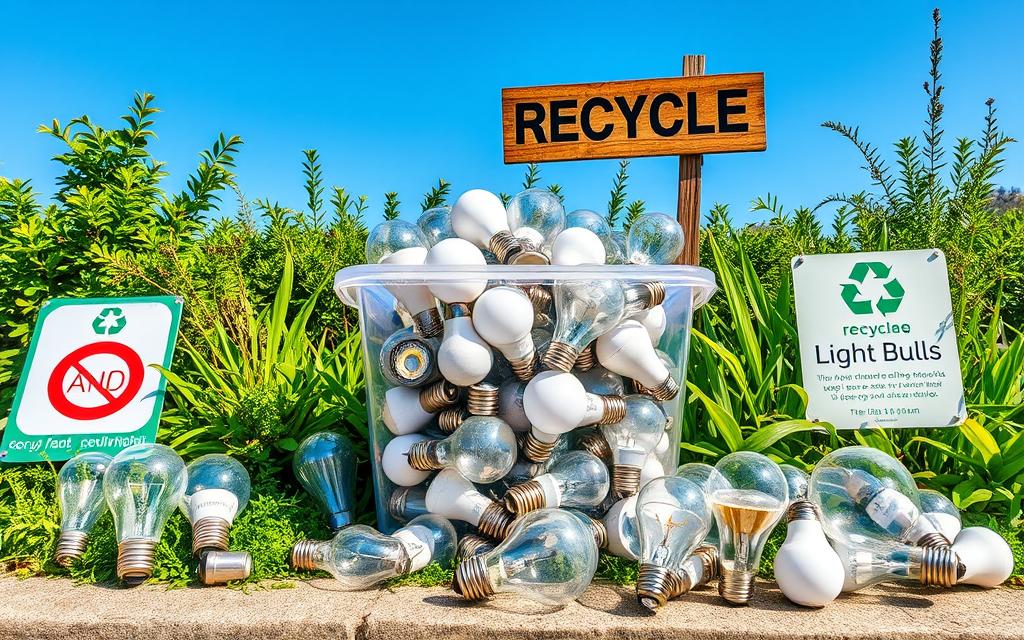
This is probably your first and best stop. Most municipalities have designated recycling centers that accept various types of waste, including things that aren’t your everyday trash. They’re often the catch-all for items like CFLs and LEDs.
Give them a call or check their website before you haul your bulbs over. Sometimes they have specific days for hazardous waste, or they might have separate bins for different types of items. It’s always good to be prepared. You don’t want to drive all the way there only to be told they don’t take them. That would be a bummer.
These centers are crucial for keeping potentially harmful materials out of landfills and ensuring that valuable resources are given a second life. They’re the unsung heroes of our waste management system!
Retailer Take-Back Programs: Convenience is Key
Remember those big box stores I mentioned? They’re often surprisingly helpful when it comes to bulb disposal. Many hardware stores, home improvement centers, and even some grocery stores have collection bins specifically for CFLs and sometimes even LEDs.
It’s a fantastic way to get rid of your old bulbs because you can often drop them off when you’re already there to buy new ones. Talk about efficient! It’s like a one-stop shop for illumination and responsible disposal. They’re practically begging you to bring them your old bulbs, so take advantage of it!
Check the websites of your favorite retailers or just pop in and ask. They’ll usually have clearly marked bins near the entrance or in the lighting section. Easy peasy, lemon squeezy!
Household Hazardous Waste (HHW) Collection Events: For the Serious Stuff
Sometimes, your local government or waste management authority will hold special collection events for household hazardous waste. These are goldmines for getting rid of things like old paint, batteries, and yes, those trickier light bulbs.
These events are usually advertised well in advance. Keep an eye on your local newspaper, community newsletters, or your town’s website. They’re great for clearing out a bunch of hard-to-dispose-of items at once. It’s like a seasonal cleaning for your hazardous materials!
If you have a significant number of CFLs or other specialized bulbs, these events are a perfect opportunity to deal with them all in one go. Plus, it’s often a chance to learn more about local recycling and waste disposal initiatives.
Mail-Back Programs: For the Homebodies
Feeling a bit too cozy at home to venture out? No problem! There are also mail-back programs available for some types of bulbs, particularly CFLs and LEDs. You can often purchase special kits online that include prepaid shipping boxes.
You just pack up your old bulbs, slap on the label, and send them off to be recycled. It’s a super convenient option, especially if you don’t have easy access to a local drop-off point. It’s like sending your bulbs on a little vacation to a recycling paradise.
While this might be a little more expensive than a free drop-off, it’s a fantastic alternative for those who prioritize convenience or live in more remote areas. It’s all about finding what works best for your situation!
Why Bother? The Planet Needs You!
I know, I know. Sometimes it feels like a lot of effort, doesn't it? You just want to screw in a new bulb and be done with it. But think about it. Every little bit counts, right?
Those CFLs with their mercury? If they end up in a landfill, that mercury can leach into the soil and water. Not ideal for anyone, especially our future generations. And LEDs? They're full of valuable materials that can be recycled and used to make new products. It’s like a treasure hunt for resources!
By taking a few extra minutes to dispose of your light bulbs properly, you’re doing a solid for Mother Earth. You’re helping to reduce pollution, conserve resources, and make our planet a little bit cleaner and greener. How awesome is that?
So, the next time a bulb flickers out, don’t just toss it. Take a moment, figure out what kind it is, and find the right place to send it. You’re not just disposing of waste; you’re contributing to a brighter, more sustainable future. And that, my friend, is something to be proud of. Now, go forth and illuminate responsibly! You’ve got this!