
When To Worry About Your Teenage Son

Ah, the teenage son. That fascinating creature who can simultaneously navigate the most complex video game worlds and forget where he left his socks. As parents, we're constantly on a balancing act, right? We want them to be independent, but also, you know, alive and not accidentally joining a cult that worships stale pizza crusts.
So, when do we actually need to crank up the parental radar from "gentle hum" to "full-blown siren symphony"? Let's dive into the wonderful world of teen boy worry with a smile, a wink, and maybe a hidden stash of emergency snacks.
The "Is He Secretly a Rock Star?" Phase
First off, let's acknowledge the glorious, often deafening, music. If your son's bedroom has become a shrine to his favorite bands, complete with posters that have seen better days and the occasional air guitar solo that could shatter glass, that's usually just… Tuesday. Unless the music has shifted from enthusiastic if off-key belting to actual guttural screams that sound like he’s battling a flock of angry seagulls, you’re probably okay.
Think of it as his personal soundtrack to growing up. It’s the soundtrack to discovering his identity, even if that identity currently involves a questionable taste in graphic tees and an uncanny ability to sleep through fire alarms. So, let him blast that heavy metal or that angsty indie rock. Just maybe invest in some decent earplugs for yourself.
The "Where Did My Son Go?" Mystery
Then there’s the disappearing act. One minute he’s there, complaining about dinner, and the next, POOF! He’s vanished into the ether, only to reappear hours later claiming he was just "chilling." This is a classic teenage maneuver, often executed with the stealth of a ninja who’s just discovered the secret of invisibility.
If his disappearances are limited to innocent hangouts with friends, late-night gaming sessions, or perhaps a clandestine mission to procure more instant ramen, breathe easy. The worry starts to creep in when these "chilling" sessions involve prolonged periods of silence, evasive answers about where he’s been, or a sudden aversion to sunlight and human contact.
Is he suddenly spending all his time with a new group of friends who communicate solely through cryptic memes and speak in a dialect you’ve never heard before? If they’re not involved in anything illegal or dangerous, it might just be a phase. But if their influence starts to make your son question basic concepts like showering or doing his homework, it’s time for a gentle chat.

The "Is He Eating?" Crisis
Food. For some teenage boys, it’s their primary fuel source, consumed with the ferocity of a small, very hungry black hole. For others, it becomes a forgotten concept, relegated to a distant memory eclipsed by video games and the quest for Wi-Fi.
If your son’s diet has shifted from "can eat a whole pizza by himself" to "survives on air and the faint glow of his phone screen," that’s a mild concern. Are there days where he genuinely forgets to eat because he’s so engrossed in something else? That’s… well, it’s still pretty concerning.
However, a true worry signal is when his eating habits change drastically for the worse and he seems genuinely unwell or lethargic. If he's not eating at all, or has developed a sudden and extreme aversion to food, it’s definitely time to investigate further. Don’t just assume he’s "too busy" to eat; that’s a flimsy excuse even for a teenager.
The "Emotional Rollercoaster" Ride
Teenage boys and emotions. It’s a combination that can be as unpredictable as a weather forecast in a hurricane zone. One minute they’re Mr. Cool, the next they’re inexplicably furious about a misplaced charger.

Occasional mood swings are as natural as… well, teenage boys. They’re trying to figure out who they are, and that involves a whole lot of ups and downs. If these mood swings are temporary and he generally bounces back, you're likely on solid ground.
The alarm bells should start ringing if these emotional shifts become constant and severe. Are we talking about prolonged periods of intense sadness, irritability, or anxiety that interfere with his daily life? If he's withdrawn, no longer interested in things he used to love, or expressing hopelessness, it’s time to sit down and have a real, heart-to-heart conversation.
It's not about expecting him to be happy-go-lucky 24/7, but about noticing if he seems genuinely stuck in a dark place. This is where your parental intuition, that magical sixth sense we all seem to develop, really kicks in.
The "School's Out Forever?" Syndrome
Ah, school. That place where they learn things, socialize (or attempt to), and sometimes, just sometimes, bring home decent grades. For many teenage boys, school can feel like a necessary evil, a mandatory pit stop on the road to freedom.
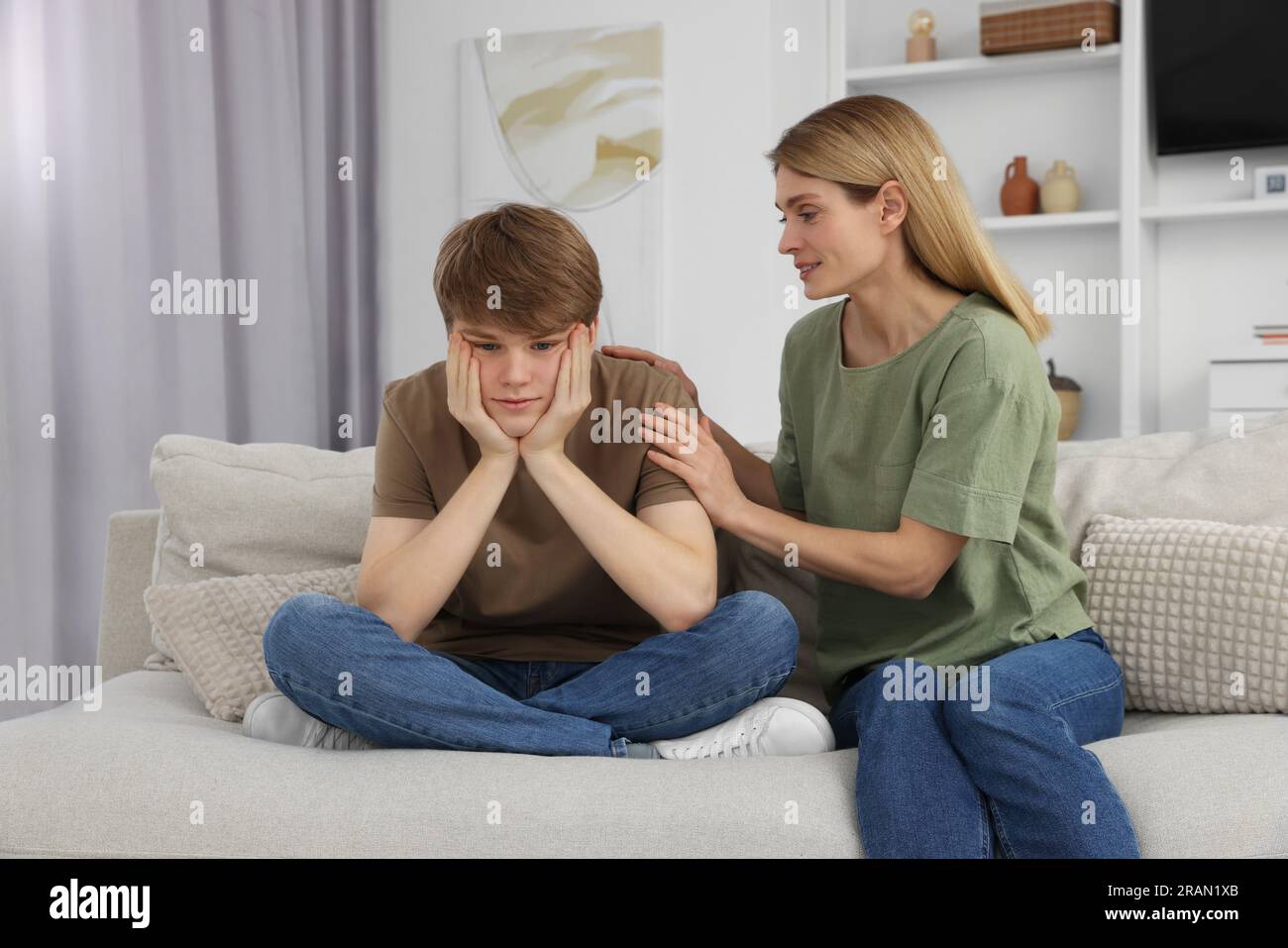
If his grades have taken a nosedive but he's still engaged in school, attending classes, and trying (even if the results aren't stellar), it might just be a slump. Maybe he’s struggling with a particular subject, or perhaps his focus is elsewhere. A little extra help or a pep talk might be all he needs.
However, if he's suddenly skipping classes, his grades are plummeting to abysmal depths, and he shows absolutely no interest in his academic future, that’s a different story. When school becomes a battleground or a place he actively avoids, it's a clear sign that something is amiss. Is he being bullied? Is he bored out of his mind? Is he secretly running a successful underground business selling rare video game cheat codes during class?
Whatever the reason, a complete disengagement from school requires your attention. It’s a big indicator that he might be struggling with something he’s not ready to share.
The "Is He Making Bad Choices?" Audit
Let’s be honest, teenagers are programmed for risk-taking. It’s part of their developmental wiring. They’re testing boundaries, exploring their limits, and sometimes, making questionable decisions that make us clutch our pearls.

A few eye-rolls at some of his choices are par for the course. Maybe he’s experimenting with his hairstyle (let’s call it the "hedgehog-meets-mop" look) or wearing an outfit that could only be described as a fashion emergency. These are usually harmless.
The real worry starts when the bad choices escalate. We’re talking about things that could genuinely harm him or others. This could involve illegal activities, dangerous situations, or a pattern of reckless behavior that suggests a lack of judgment.
If you notice significant changes in his behavior, such as secrecy, defensiveness, or a noticeable decline in his values, it’s time to have a serious conversation. It’s not about being a helicopter parent, but about being a vigilant one.
Ultimately, remember this: your son is on a journey, and you're his trusty co-pilot. There will be turbulence, unexpected detours, and moments where you’re not entirely sure of the destination. But with open communication, a healthy dose of humor, and a watchful eye, you can navigate the teenage years with confidence, knowing that you’re doing your best to guide him toward becoming the amazing adult he’s destined to be. And hey, if he does end up becoming a rock star, you’ll have front-row seats!