
When To Transition Puppy To Dog Food

Ah, puppies! Those adorable, bouncy bundles of joy that bring so much laughter and love into our lives. As you navigate the wonderful adventure of puppyhood, one of the most common questions on every new paw-rent's mind is: when exactly do these little furballs graduate from puppy chow to full-fledged dog food? It's a question that pops up in online forums, vet waiting rooms, and over friendly chats at the dog park. Understanding this transition is not just about feeding your dog; it's about setting them up for a healthy and happy future. Plus, it’s a fun milestone to mark as your puppy grows into their adult doggy self!
For beginner puppy parents, this topic can feel a little daunting. You just want to make sure you're doing the best for your new companion. Knowing when to switch food helps you avoid tummy troubles and ensures they get the right nutrients for their developing body. For families with kids, it’s a great teaching moment about responsibility and understanding your pet’s needs. Everyone can get involved in the process! And for the more dedicated dog hobbyists, whether you’re a seasoned breeder or showing your dog, understanding the nuances of dietary transitions is key to optimizing their health and performance.
The main reason for a specific puppy food is that growing pups have very different nutritional needs compared to adult dogs. They require more calories, protein, and specific vitamins and minerals to support rapid growth, bone development, and a strong immune system. Puppy food is formulated to meet these higher demands. As they mature, their growth rate slows down, and their nutritional requirements change. Transitioning to adult dog food ensures they don't get too much of what they no longer need, which can lead to issues like obesity or joint problems later on.
So, what does this transition look like? Generally, most small to medium-sized breeds can start transitioning to adult dog food around 9 to 12 months of age. Larger breeds often need a little more time, sometimes up to 18 months, as their bones and joints develop more slowly. Your veterinarian is your best resource for determining the exact timing based on your puppy’s breed, size, and individual development. Some owners also choose to transition to an “all life stages” food, which can be suitable for both puppies and adult dogs, but it’s still important to monitor your dog’s weight and body condition.
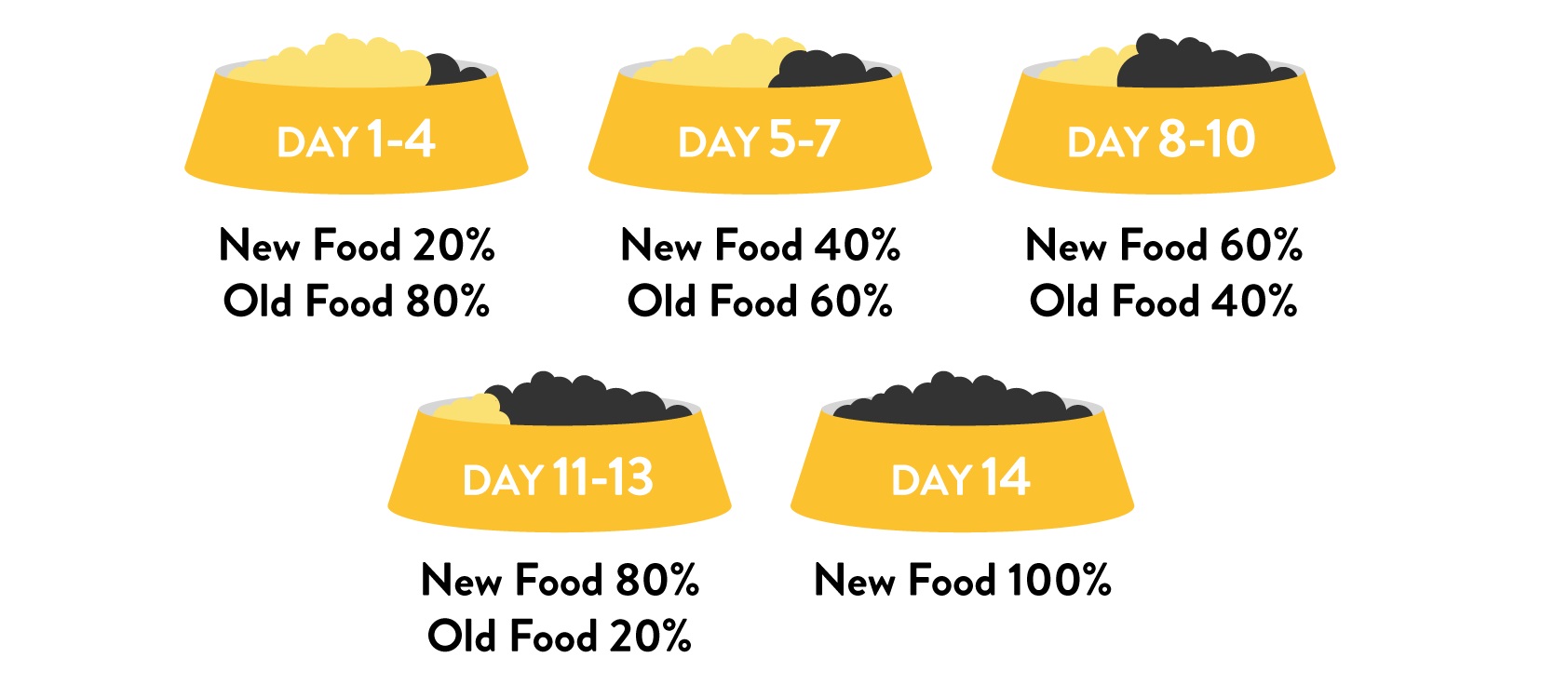
Getting started with the transition is easier than you might think. The key is to do it gradually. You don't want to shock your puppy's digestive system. Start by mixing a small amount of the new adult dog food with their current puppy food – think 25% new food to 75% old food. Over the course of about 7 to 10 days, you’ll slowly increase the proportion of the new food and decrease the old food. For example, on day 3-4, you might try 50/50, then 75% new food and 25% old food, until you’re feeding 100% adult food. Keep an eye on your puppy for any signs of digestive upset, like vomiting or diarrhea. If you notice any issues, slow down the transition or consult your vet.
Watching your puppy grow and change is one of the most rewarding parts of pet ownership. Navigating the food transition is a significant step in their journey. It’s a practical, yet meaningful, part of caring for your furry friend, ensuring they thrive at every stage of life. Enjoy this exciting milestone as your puppy blossoms into a healthy, happy adult dog!