
When To Stop Watering New Grass Seed
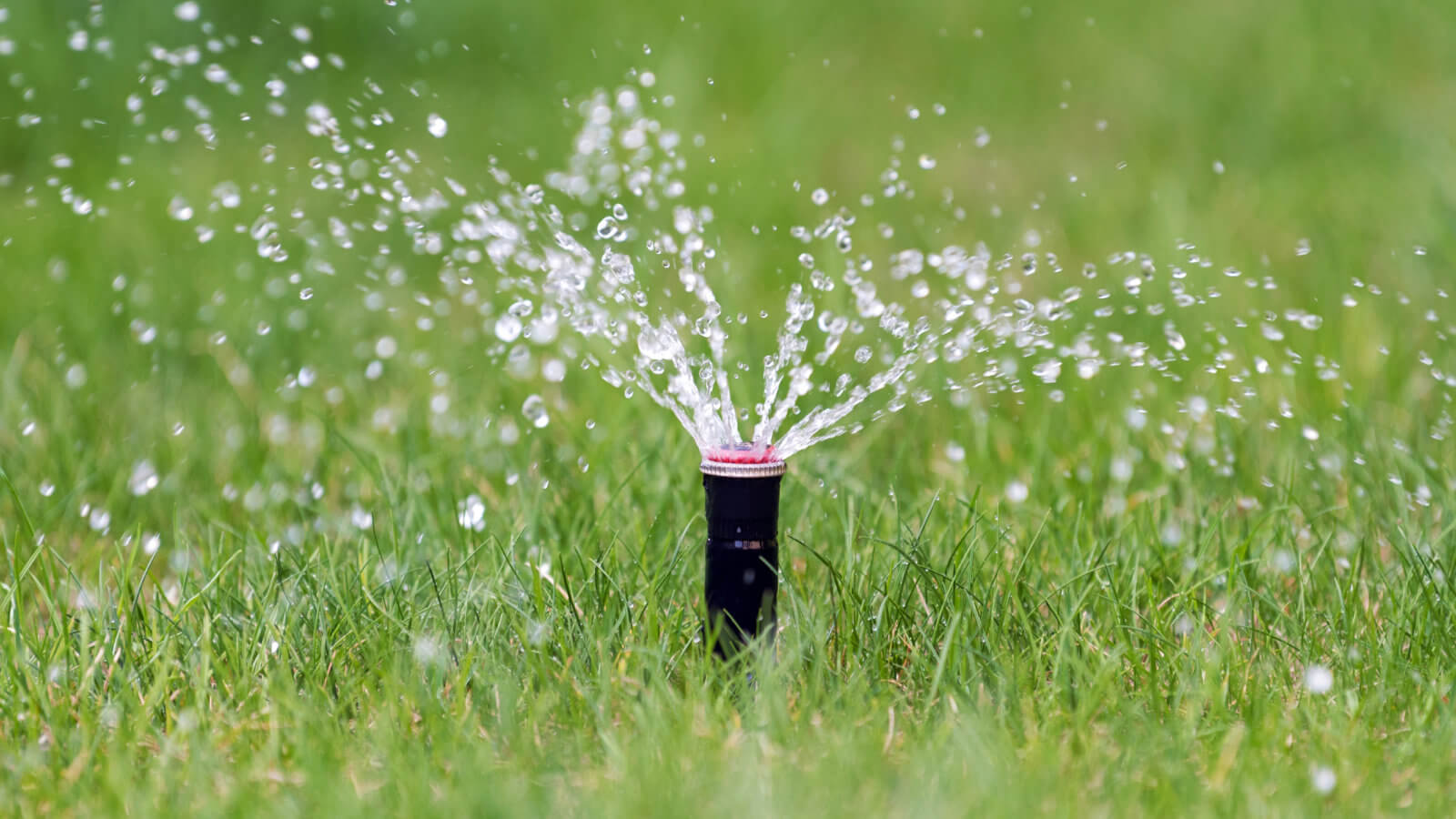
Ever found yourself staring out at your lawn, a patchwork of brown earth and hopeful little green shoots, and wondered, "Okay, but when do I stop the daily sprinkle?" It's a question that pops up for many of us when we're embarking on the satisfying journey of growing new grass seed. It might seem like a small detail, but knowing when to ease up on the watering is actually a pretty big deal for achieving that lush, green carpet you've been dreaming of. Think of it as graduating your little grass seedlings from their baby bottle stage – they're ready for a bit more independence!
The purpose of this gentle guidance is simple yet crucial: to ensure your new grass establishes a strong, deep root system. While those tiny sprouts desperately need consistent moisture to germinate and grow initially, overwatering can actually hinder their progress. If the soil is perpetually soggy, the roots have no incentive to grow downwards in search of water. They'll happily stay near the surface, making the grass vulnerable to drought, heat, and even foot traffic. So, learning when to transition from frequent, light watering to less frequent, deeper watering is key to nurturing resilient, healthy turf.
This concept of gradual weaning from constant support isn't just for lawns, of course. It's a fundamental principle in so many areas of life and learning. Think about teaching a child to ride a bike. Initially, you hold on tight, offering constant support. As they gain confidence, you let go for short bursts, allowing them to find their balance independently. Eventually, they're pedaling solo! In education, it’s like moving from direct instruction to guided practice and finally to independent learning. You're gradually empowering the learner to rely on their own skills and knowledge. Even in our own personal growth, we often have periods of intense support and mentorship followed by times where we need to step out and navigate on our own.
So, how do you know when your grass seedlings are ready to drink less often? It's all about observation and a little bit of touch. Once your grass has sprouted and reached about 1 to 2 inches in height, you can start to gradually reduce the frequency of watering. Instead of watering lightly every day, aim for watering every 2-3 days, but make sure to water deeply. You want to encourage those roots to reach down into the soil. A good way to check if you're watering deeply enough is to poke a screwdriver or a thin rod into the soil after watering. If it goes in easily for at least 4-6 inches, you've likely done a good job. Conversely, if you notice the grass starting to look a bit dull or showing signs of wilting, it's a signal that it needs a drink, but still, try to water less frequently than you did in the initial sprouting phase.
A really simple tip is to feel the soil. Stick your finger about an inch or two into the ground. If it feels dry, it's time to water. If it feels moist, you can hold off. You're essentially looking for that sweet spot where the soil is consistently moist but not waterlogged. Over time, you’ll develop a feel for your lawn’s needs, and you’ll be the proud owner of a beautiful, healthy lawn, all thanks to a little bit of patient observation and understanding the fundamental principle of letting your little green sprouts grow strong roots!