
When Should You Cut Back A Rose Bush
:max_bytes(150000):strip_icc()/SPR_1403040-roses-how-and-when-to-prune-5ac61da743a10300369e1379.png)
Ah, the rose bush! That thorny jewel of the garden, promising velvety blooms and intoxicating scents. But let’s be honest, sometimes those canes get a little wild, a bit leggy, and might even look like they’ve had a rather dramatic hair day. Knowing when to grab those secateurs is like having a secret handshake with your roses, unlocking their full potential for beauty and bounty. It’s not just about keeping things tidy; it’s about fostering a thriving, flowering masterpiece that will wow the neighborhood. Think of it as a spa day for your roses, giving them a much-needed refresh and setting them up for a season of spectacular performance.
The "Why" Behind the Chop
So, why exactly do we embark on this pruning adventure? It’s a multifaceted mission, really. Primarily, pruning is about health. We're removing anything that's diseased, damaged, or dead. This prevents those nasty ailments from spreading and keeps your plant robust. Think of it as weeding out the bad apples before they spoil the whole bunch. Then there's the art of shape. Pruning helps to control the size and form of your rose bush, ensuring it fits beautifully into its designated spot and doesn't become an unruly beast taking over your patio. But the biggest draw for many, myself included, is encouraging more blooms. By strategically removing old wood and encouraging new growth, we’re telling the rose, "Hey, it's time to get busy and produce some gorgeous flowers!" This leads to more flowers, bigger flowers, and a longer flowering season. Who wouldn't want more of that?
Timing is Everything (Literally!)
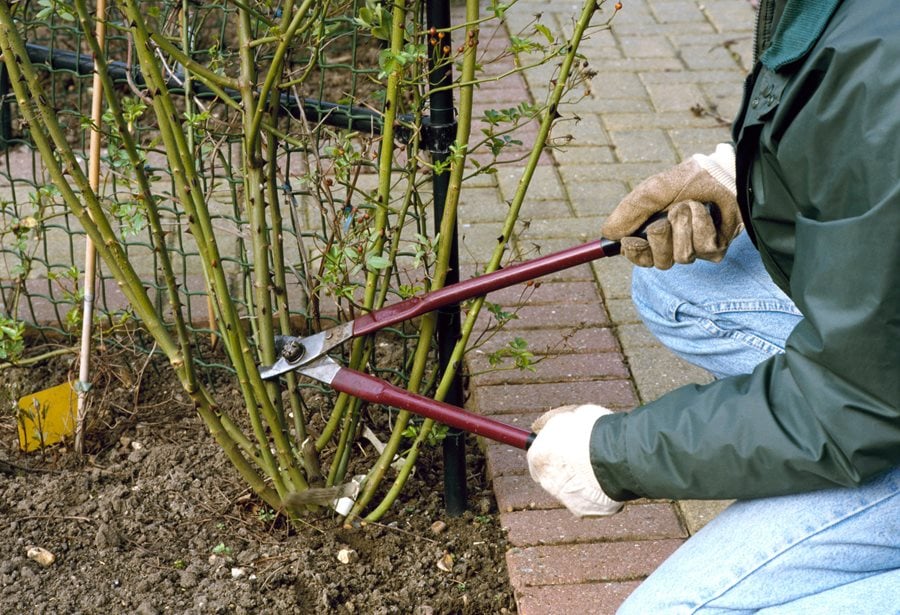
Now for the million-dollar question: when do you wield the pruning shears? This is where things get a little nuanced, but don't worry, it's not rocket science! The most significant pruning for most roses happens in late winter or early spring. This is generally when the danger of harsh frost has passed, but before the new growth really kicks into high gear. Think of it as a wake-up call for your sleeping beauty. Why this timing? Because you're removing all the dead, damaged, and crossing canes from the winter. You can also remove any weak, spindly growth that won't produce good blooms. It sets the stage for vigorous new shoots that will eventually bear those stunning flowers. Imagine your rose bush saying, "Okay, I'm ready! Let's do this!"
Pro Tip: Look for swollen, green buds. These are your cues for where new growth will emerge.
How To Cut Back Overgrown Rose Bushes: A Step-by-Step Guide | Trim rose

However, there’s more to the pruning calendar than just that one big event. You'll also want to engage in deadheading throughout the blooming season. This is a gentler, more frequent form of pruning. Deadheading involves snipping off spent flowers just above a leaf or a bud. This simple act is incredibly effective because it prevents the rose from putting energy into producing seeds. Instead, it redirects that energy into creating more flowers. It’s like telling your rose, "Don't worry about making babies, just keep on blooming!" You'll be rewarded with a continuous display of color and fragrance from spring right through to autumn.
There’s also a concept called light pruning which can happen at other times. If you notice a cane that’s growing awkwardly, rubbing against another stem, or simply getting too long and threatening to poke someone’s eye out, don't hesitate to give it a little trim. This isn't a major overhaul, just a bit of tidying up to maintain the overall health and appearance of the bush. It’s the garden equivalent of a quick trim between haircuts.
What to Look For
When you’re surveying your rose bush with your secateurs in hand, what should you be on the lookout for? Here are the key things to target:
- Dead, Diseased, or Damaged Wood: This is your top priority. Look for canes that are brown, brittle, or show signs of sickness like black spots or cankers. Cut these back to healthy, green wood.
- Crossing or Rubbing Canes: These can create wounds and invite disease. Choose the weaker or more poorly placed cane and remove it.
- Weak, Spindly Growth: These thin, weak stems are unlikely to produce good flowers and can detract from the overall vigor of the plant. Prune them back to a stronger bud.
- Suckers: These are shoots that emerge from below the graft union (that knobbly bit near the base of many roses). They are often from the rootstock and don't have the desirable characteristics of your grafted rose. Remove them at the base.
- Outward-Facing Buds: When making your final cuts during major pruning, aim to cut just above an outward-facing bud. This encourages growth away from the center of the bush, improving air circulation and reducing the risk of disease.
With a little practice and attention, you’ll become a rose-pruning pro in no time. So, embrace the secateurs, and get ready for a garden that’s overflowing with the beauty and fragrance you’ve helped to cultivate!