
When Should A Puppy Leave Its Mother

Oh boy, oh boy, oh boy! Puppies! Are there any cuter, fluffier, more ridiculously adorable creatures on this planet? I think not! The mere thought of a tiny, wriggling ball of fur with giant paws and that one floppy ear just melts my heart into a puddle of pure joy. But as much as we all dream of scooping up a little puppy and bringing them home to our waiting laps, there's a big, important question that needs answering, and it's a little more serious than choosing the perfect squeaky toy. It's about when these little bundles of love should say "see ya later, Mom!"
Now, imagine this: you've just witnessed the most incredible birth. A mama dog, a superhero in her own right, has brought a whole litter of tiny treasures into the world. These little guys are basically microscopic at first, all eyes closed, just snuggling up to their mama for warmth, milk, and a whole lot of love. This is their nursery, their bootcamp, their puppy kindergarten! And just like any good kindergarten, it's designed to teach them the most important lessons of life, all under the watchful eye of their super-mom.
Think about it like this: have you ever seen a toddler, let's say a little two-year-old human, suddenly decide they're ready to go off and live in the wilderness? Of course not! They need their parents to teach them how to walk, talk, eat with a spoon (or at least try to!), and not lick every single thing they find interesting. Puppies are no different. Their mama is their whole world, and she’s teaching them the absolute essentials for being a good dog. She teaches them how to groom themselves (yes, dogs have grooming lessons!), how to interact with their siblings (which is like their first playgroup!), and, perhaps most importantly, how to be dogs.
One of the biggest things a mama dog teaches is bite inhibition. This is a fancy way of saying, "Hey little buddy, playing nice means not nipping quite so hard!" When puppies play with each other, they learn to yelp and back off if a playmate bites too hard. This is their early training in understanding social cues and respecting boundaries. If they leave their mama too early, they miss out on crucial lessons like this. Imagine a puppy who thinks a playful nip on your hand is the same as a cuddle – not ideal for your furniture, or your fingers!
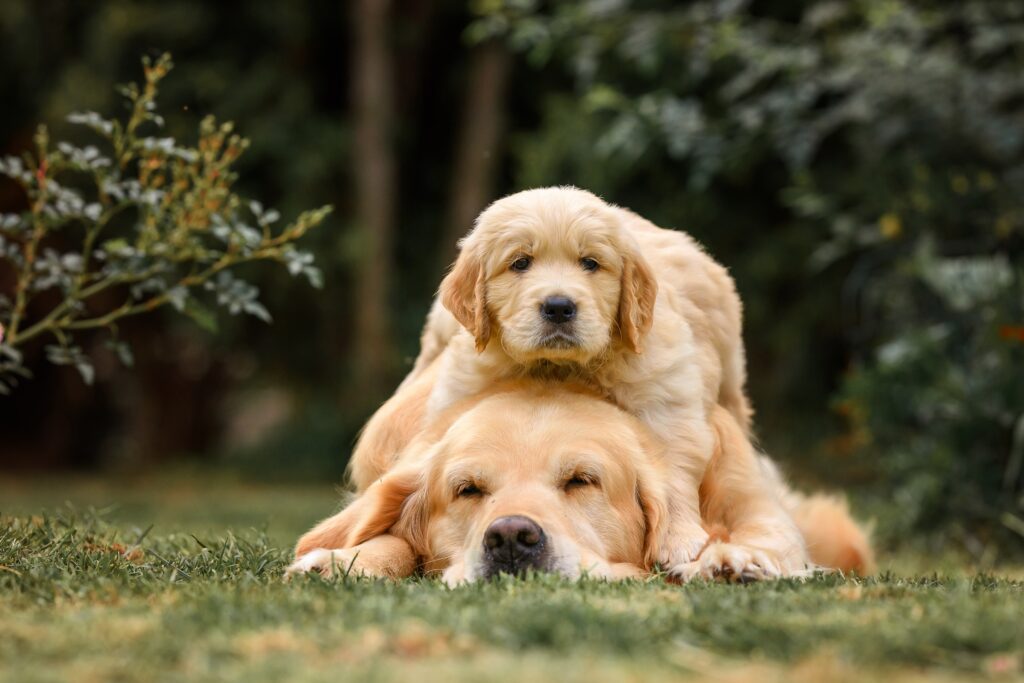
Then there's the whole world of socialization. Around 4 to 7 weeks old, puppies start to become more aware of the world around them. They start to tentatively explore, and this is when they begin to learn about things that aren't their mom or their siblings. They learn about different textures, sounds, and even early encounters with humans. This is like the "getting to know you" phase of puppyhood. It's vital for them to have positive experiences during this time. A good breeder or a caring mama will introduce them gently to new sights and sounds, building their confidence and making them less likely to be scared of, say, a vacuum cleaner or a mailman later in life. These early introductions are the building blocks for a well-adjusted, happy dog who can handle life's little surprises without freaking out.
So, what's the magic number? When is it safe for these little furballs to embark on their grand adventure to a new home? The general consensus among doggy experts (who, by the way, are super smart and love puppies even more than we do) is around 8 weeks old. Why 8 weeks? It’s like a puppy's graduation day from puppy university! By this time, they've usually mastered the basics from their mama and siblings. They're likely to be weaned from their mother, meaning they're eating solid food like a champ (no more milk bar!). They’ve had ample time to learn those all-important social skills, like how to play nicely and how to communicate with other dogs. They’ve also had a good start on getting used to human interaction.

Think of it this way: if you send a kid to school before they can even tie their shoes or remember their own name, it’s not going to go very well, right? Puppies need to reach a certain level of maturity before they're ready to tackle the big, wide world of a new home. Leaving too early can mean they miss out on crucial development, leading to potential behavioral issues down the line. They might be more prone to anxiety, fearfulness, or even aggression because they simply didn't have enough time to learn the ropes from their family.
So, while it’s tempting to snatch up the tiniest, teeniest puppy you see, remember that patience is a virtue, especially when it comes to our canine companions. Giving them those extra few weeks with their mom and littermates is like giving them a superpower for future happiness and good behavior. It’s an investment in a well-rounded, confident, and utterly delightful dog who will bring you years of slobbery kisses and wagging tails. And who wouldn't want that? It’s the best kind of homework a puppy can do – all about love, learning, and becoming the amazing dog they are destined to be!