
When Is The Best Time To Mate My Dog

So, you've got a furry friend, a four-legged dynamo of wagging tails and slobbery kisses. And perhaps, just perhaps, you're starting to wonder about the birds and the bees… or rather, the barks and the… well, you get the idea. When is the best time to think about mating your dog? It's a question that pops up for many dog owners, and honestly, it's a pretty fascinating biological dance we're talking about here.
Let's ditch the stuffy science textbooks for a moment, shall we? Think of it more like figuring out the perfect time to bake cookies – you need the right ingredients, the right temperature, and a bit of patience. When it comes to our canine companions, it's all about understanding their natural rhythms and, of course, being a responsible pet parent every step of the way. It's not just about puppies; it's about the health and well-being of everyone involved, from the mama dog to her future litter.
Decoding the Canine Cycle: It's Not Like Clockwork!
First off, it's important to know that unlike humans who have a monthly cycle, female dogs, or "bitches," have a heat cycle that's a bit… less predictable. They typically go into heat twice a year, though some might do it a bit more or less often. And this isn't just a casual "feeling amorous" kind of thing. It's a full-blown hormonal rodeo, and it has distinct phases.
The whole shebang is called the estrous cycle. Sounds fancy, right? But really, it's just the biological process that prepares a female dog to reproduce. It's driven by hormones, and these hormones do a lot more than just influence mood; they prepare her body for mating and pregnancy. Think of it as her body sending out a really clear signal, broadcasting on all channels, "I'm ready to mingle!"
The Four Stages of a Love Story (or Biological Necessity!)
Let's break down these phases. It's like a four-act play, each with its own unique characteristics. Understanding these stages is key to figuring out that "best time" we're talking about.
Stage 1: Proestrus (The "Getting Ready" Phase)
This is the beginning of the cycle, and it usually lasts about 9 days, but can range from 3 to 17 days. During proestrus, you'll notice a few things. Her vulva might start to swell slightly, and she'll begin to discharge blood. This blood can range from bright red to dark brown, and it's often the first sign that her heat cycle is starting. Think of it like a red flag going up, signaling that the reproductive machinery is booting up.
During this phase, she might also start acting a little differently. Some females become more affectionate and clingy, while others might become a bit restless or irritable. And here's a crucial point: she's not yet receptive to mating. Males might be attracted to her due to her scent, but she's not ready to accept them. It's like inviting guests to a party before the decorations are up; not quite time for the main event.
Stage 2: Estrus (The "Ready and Willing" Phase)
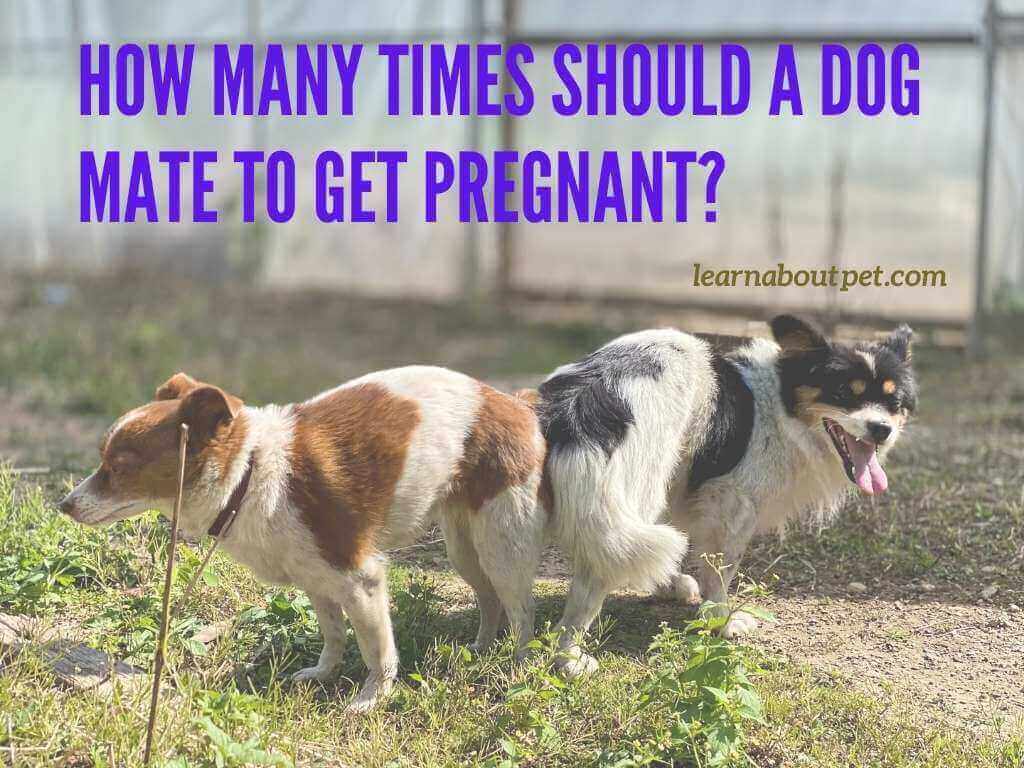
Ah, estrus! This is the golden window, the main event. This phase also typically lasts about 9 days, but again, it can vary. This is when the female is truly fertile and receptive to mating. Her vulva will usually be softer and may still have a discharge, though it's often lighter in color, sometimes straw-colored or pinkish. A really telling sign is when she stands to be mounted and might flag her tail to the side. This is her saying, "Yup, I'm interested!"
The scent of the female during estrus is also significantly different and very attractive to intact male dogs. This is when the matchmaking really happens, if you're looking to breed. However, pinpointing the exact peak of fertility within estrus can be a bit like trying to catch a firefly on a warm summer night – it requires observation and understanding. Some females will ovulate early in estrus, while others will ovulate later. This is where things get really interesting and why knowing your individual dog is so important.
Stage 3: Diestrus (The "Post-Mating" Phase)
Once estrus is over, the dog enters diestrus. This phase lasts for about 2 months, regardless of whether she's pregnant or not. During diestrus, her hormone levels change again. If she's pregnant, her body is focused on carrying the puppies. If she's not pregnant, she might still exhibit signs of pregnancy, like mammary gland development, because her hormone levels remain high for a period. This is known as a "false pregnancy," and it's quite common.
She is no longer receptive to mating during diestrus. Her body is shifting gears, and the window for reproduction has closed for this cycle. Think of it as the party's over, and the cleanup crew is arriving.
Stage 4: Anestrus (The "Resting" Phase)
Finally, we have anestrus, which is the period of reproductive inactivity. This is the longest phase of the cycle, and it can last for several months, depending on the dog's breed and individual physiology. During anestrus, her reproductive organs are essentially dormant. It's a time for her body to rest and recuperate before the next cycle begins.

This is essentially the "downtime" between heat cycles. It's like a bear hibernating; the body is taking a break. And during this time, there's absolutely no chance of pregnancy.
When Does All This "Magic" Happen?
So, putting it all together, when is the ideal time to mate your dog? It's generally during the estrus phase, specifically when she is ovulating. But here's the tricky part: predicting ovulation is the real key.
Most sources suggest mating around the middle to latter half of the estrus cycle. However, some dogs ovulate very early, while others ovulate later. It's not a one-size-fits-all situation. You can't just mark a calendar and say, "Okay, next Tuesday it is!"
What Are the Signs to Look For?
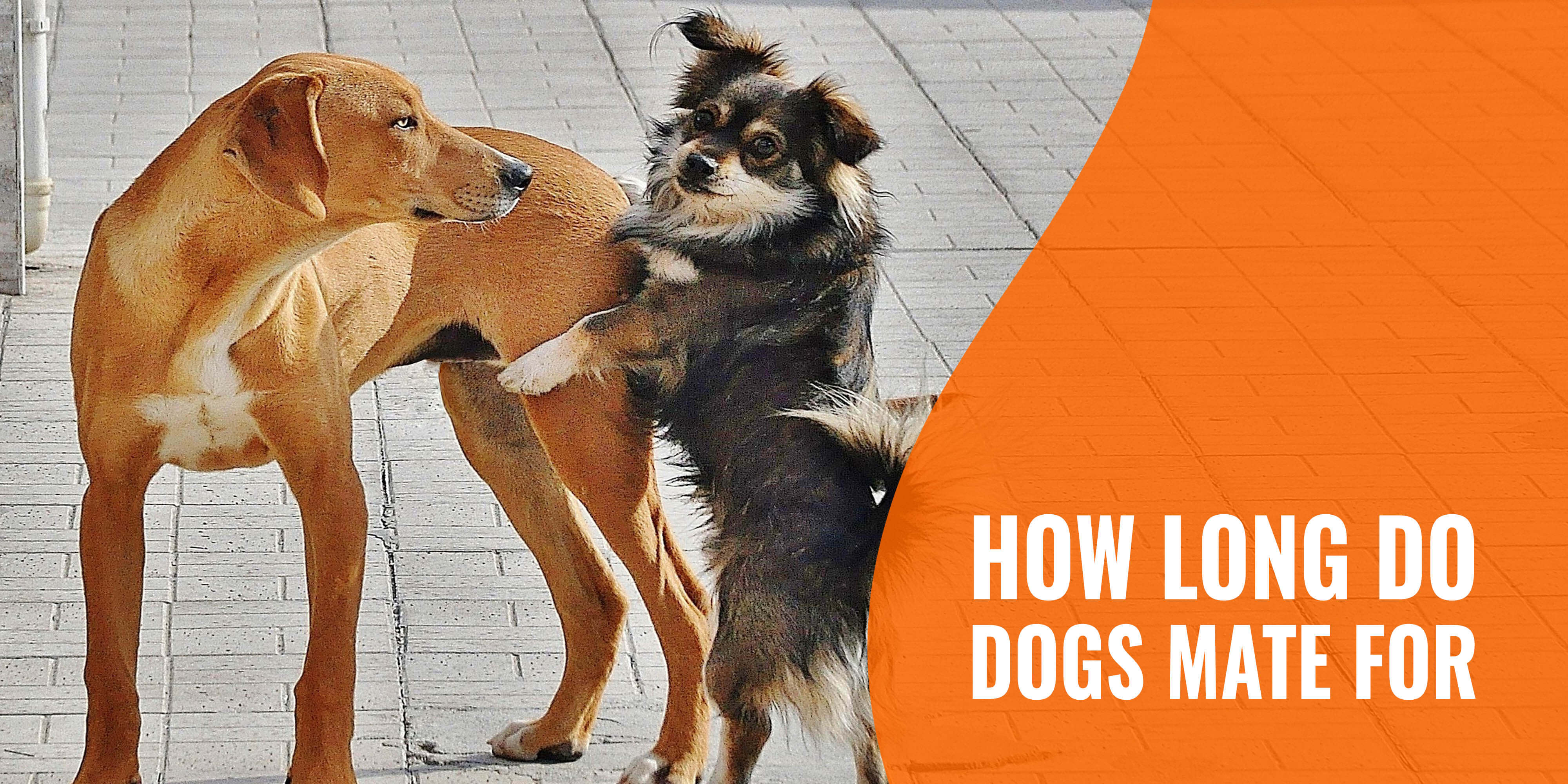
Besides the physical changes we discussed, observing your dog's behavior is crucial. Is she more interested in male dogs? Is she showing the "flagging" behavior (tail to the side)? These are good indicators. However, relying solely on visual cues can sometimes lead to missed opportunities or mating at suboptimal times.
Veterinary Involvement: Your Best Wingman
This is where your veterinarian becomes your ultimate guide. They have the tools and knowledge to help you pinpoint the most fertile time for your dog. One common method is by taking vaginal cytology samples. This involves taking a swab from her vulva and examining the cells under a microscope. The changes in the types of cells present can indicate where she is in her cycle and when she is likely to ovulate. It's like a detective carefully examining clues to solve a mystery!
Another even more precise method is measuring luteinizing hormone (LH) surges. This hormone triggers ovulation. By testing blood samples at regular intervals, your vet can detect the LH surge and predict ovulation with remarkable accuracy. This is often combined with vaginal cytology for the best results. Think of it as getting the inside scoop from a highly reliable source.
Age and Health: The Foundation for a Healthy Litter

Beyond the heat cycle, we also need to consider the dog's overall health and maturity. Generally, it's not recommended to mate a dog on her very first heat cycle. Her body might not be fully mature, and this could have implications for her health and the health of her puppies. Most breeders wait until the dog is at least 1.5 to 2 years old, or has gone through at least two heat cycles, allowing her body to fully develop.
Both the male and female should be in excellent physical condition. This means being up-to-date on vaccinations, free of parasites, and having a healthy weight. Any underlying health conditions should be addressed and discussed with your vet before considering breeding. It's like preparing for a marathon; you wouldn't start without proper training and a health check, would you?
The Big Picture: Responsibility and Purpose
Ultimately, the decision to mate your dog should be a well-considered one. It's not just about cute puppies. It's about contributing responsibly to the breed, ensuring healthy offspring, and being prepared for the commitment of raising puppies, or finding good homes for them. It's a significant undertaking that requires time, resources, and a deep understanding of canine health and genetics.
So, while the biological "best time" is rooted in the estrus cycle and ovulation, the true "best time" is when you, as a responsible owner, have done your homework, consulted with your vet, and are prepared for all that comes with it. It’s a journey that’s as much about understanding biology as it is about showing compassion and care for these amazing animals.