
When Do You Cut Lavender Plants Back

Ah, lavender. That dreamy, fragrant herb that whispers of sunshine and happy times. You probably have some in your garden, or maybe you've enjoyed its calming scent in a sachet or a soothing bath. It’s like a little piece of Provence right in your backyard, isn’t it? And just like any good friend, our lavender plants like a little attention now and then. But when is the right time to give them that little trim? It's less about strict rules and more about listening to what your purple pals are telling you.
Think of it like this: when your favorite comfy sweater gets a little fuzzy and out of shape, you don't just toss it, right? You give it a gentle trim to keep it looking its best. Your lavender plants are kind of the same. They have their own little fashion emergencies that a good prune can solve. And honestly, sometimes it feels like a bit of a secret handshake with nature, knowing when to get out the scissors.
The best time to give your lavender plant a haircut is when it's feeling a bit like a teenager who's gone through a growth spurt – a little leggy, maybe a bit wild, and definitely ready for a style. We’re talking about the time after it’s finished its main show of blooms, when the flowers themselves are looking a bit sad and spent, like tiny brown bobbles that have seen better days.
Imagine your lavender plant as a performance artist. It’s just finished a spectacular run of dazzling everyone with its beautiful purple spikes. It’s taken a bow, the audience (that’s you!) has applauded, and now it’s time for the backstage crew to tidy up. That's where you come in, with your trusty pruning shears. You’re not being mean; you’re helping it prepare for its next big act.
Now, you might be tempted to snip away at those lovely blooms the moment they start to fade. And while that’s understandable – who doesn't love the smell of fresh lavender? – hold on just a moment. Sometimes, those fading flowers still have a bit of magic left in them. Bees and butterflies still adore them, so letting them linger a bit longer is a fantastic way to support your garden's buzzing residents. It’s like leaving a few crumbs of cake for your favorite tiny party guests.

The real cue, the undeniable sign that your lavender is ready for its makeover, is when you look at it and think, "Wow, that's looking a bit… unkempt." The stems might be getting long and straggly, maybe flopping over like they’ve had a long day. You might even see new little leafy shoots starting to emerge further down the plant. That’s your plant whispering, “Psst! Hey! A little help here, please!”
And then there’s the fun part: the second trim. This one is for the winter. Think of it as putting your lavender plant into a stylish, cozy cardigan for the colder months. This is usually done in the late autumn, before the really harsh weather sets in. It’s not a drastic cut, mind you. It’s more of a tidy-up, a gentle shaping to keep it neat and tidy. You don't want it to look like a woolly mammoth when spring arrives, do you?
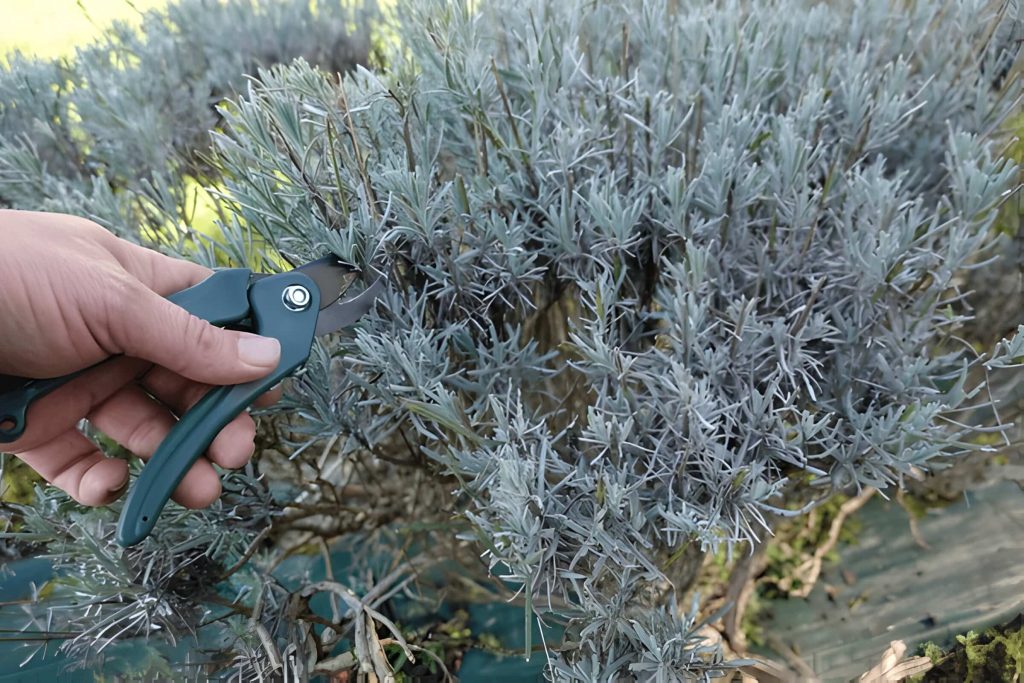
Sometimes, you might be tempted to give it a really big chop, thinking that’s what it needs. But with lavender, it’s often better to be a bit gentler. You’re aiming to maintain its shape and encourage healthy growth, not to sculpt it into a tiny topiary lion. Unless, of course, you’re secretly aiming for a lavender topiarian masterpiece, in which case, more power to you!
The magic of pruning lavender isn't just about making the plant look good. It’s about giving it the best chance to thrive. When you remove the spent blooms, the plant can focus its energy on growing stronger roots and preparing for its next blooming season. It’s like a little energy drink for your herb!

And the scent! Oh, the scent. When you snip those lavender stems, especially after they've dried a bit, your fingers will be perfumed. It’s a delightful reward for your gardening efforts. You can collect those clippings and tuck them into drawers, hang them in your closet, or even make your own potpourri. It’s like taking home a little bit of that garden magic.
So, next time you’re eyeing your lavender, don’t stress about the exact date on the calendar. Look at the plant itself. Is it done with its show? Is it looking a bit shaggy? Is it getting ready to hunker down for winter? Trust your eyes, trust your nose, and trust that your lavender will be thrilled with your thoughtful attention. It’s a simple act of care that yields a fragrant bounty, and that, my friends, is pretty wonderful.