
When Do Year 11 Apply For College Uk
I remember staring at my Year 11 English teacher, Mrs. Davison, her kind eyes crinkling at the corners as she tried to explain A-Levels. It felt like a different planet. My mind was still buzzing with GCSE revision strategies (or the distinct lack thereof, if I'm being honest with you), and here she was, talking about universities with names I could barely pronounce and courses that sounded like a secret code. I distinctly recall thinking, "College? But I haven't even finished this college!" Little did I know, that was the start of the college application journey, not the finish line. Felt a bit like being told you need to plan your wedding when you're still trying to figure out how to use a tin opener, didn't it?
So, if you're currently navigating the glorious, and sometimes utterly baffling, world of Year 11 in the UK, and that little voice in your head is starting to whisper, "When the heck do I actually apply for college?", then you've landed in the right place. Let's demystify this whole thing, shall we? Because believe me, it’s not as scary as it sounds. Mostly.
The Great Application Enigma: When Does It All Kick Off?
Alright, deep breaths. The short, sweet, and slightly anticlimactic answer is: you've probably already started, or are about to start, without even realising it. Yes, I know. Mind-blowing.
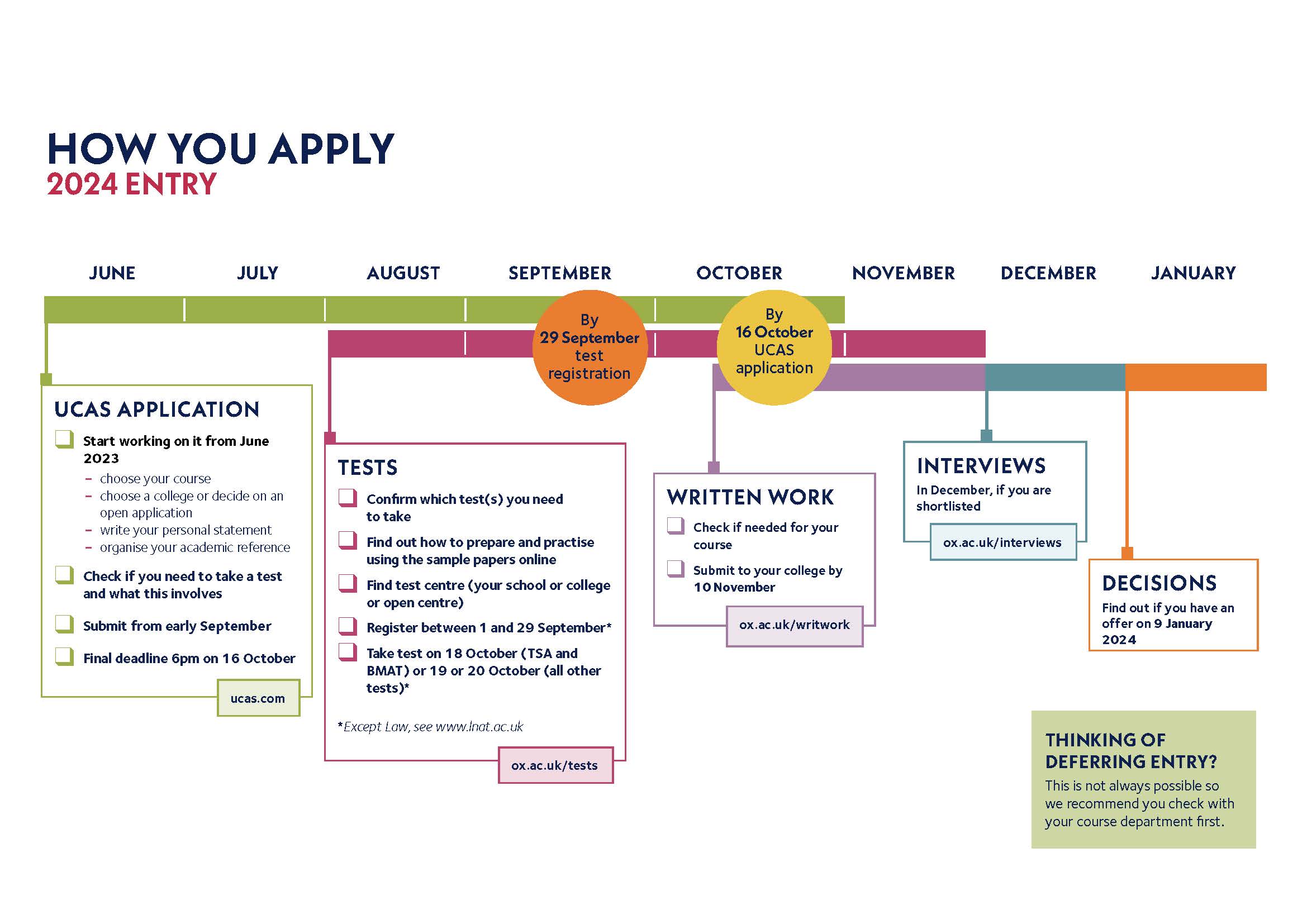
For the vast majority of Year 11 students in England and Wales who are planning to continue their education post-GCSEs (think A-Levels, BTECs, or other Level 3 qualifications at a college or sixth form), the application process typically kicks off in the autumn term of Year 11. That’s right, the very beginning of your final year of compulsory secondary education.
So, if it’s currently September, October, or even November of Year 11, and you’re reading this, congratulations! You’re right on time. If it’s later in the year… well, don’t panic! We’ll get to that. But generally, the earlier, the better. Think of it like getting the best seats at a concert – the ones who book first get the prime spots, you know?
Why so early, you ask? Good question! Colleges and sixth forms need time to process applications, organise open days (which you’ll definitely want to attend!), hold interviews, and make sure they have enough places for everyone. It's a logistical beast, and they start planning for it way before you’re even thinking about your next school uniform.
The "What If I'm Late?" Panic: Is It the End of the World?
Let’s address the elephant in the room. What if you’re reading this in December, January, or even later? Are you doomed to a life of… well, not going to college? Absolutely not!
While the ideal time to apply is in the autumn term, colleges often have a rolling admissions process. This means they’ll continue to accept applications even after the initial deadline, especially if they have spaces available. It’s just that your chances of getting your first-choice course might be slightly slimmer if you leave it too late.
Think of it like this: the most popular courses will fill up first. So, if you’ve got your heart set on, say, Forensic Science or Advanced Pottery (hey, no judgment here!), and everyone else in your year has had the same brilliant idea, applying early is definitely going to give you an advantage.
If you do miss the initial wave, your best bet is to contact the admissions department of the colleges you’re interested in as soon as possible. They’ll be able to tell you if they’re still accepting applications and what the process would be. Don't be shy! They’re used to it. Seriously, they’ve probably fielded more frantic "can I still apply?" calls than you’ve had hot dinners.
Decoding the Application Process: It's Not All Just Clicking Buttons
So, what does this "application" actually involve? It's not quite like applying for a social media account, is it?
Generally, you’ll be filling out an online application form. This is where you’ll detail your personal information, your current school, and, crucially, the courses you’re interested in. This is your chance to impress (or at least, be clear!).
Many colleges will also require a personal statement. Now, this is where things get a little more interesting. It’s not like a resume for a job; it’s more about showing your passion and suitability for the courses you've chosen. Why do you want to study History A-Level? What excites you about Business Studies? What skills do you have that make you a perfect candidate for a Creative Media diploma?
This is where you get to shine! Think about any relevant experiences you have – maybe you volunteered at a local library for English, or you're part of a coding club for Computer Science. Even if it’s just a genuine fascination, articulate it. Admissions tutors want to see that you're not just picking subjects at random. They want to see a spark.
Then, there are often interviews. Yes, an actual conversation with someone who’s going to decide if you get a place. Don’t let this scare you! It’s usually a friendly chat, not an interrogation. They want to get to know you a bit better, understand your motivations, and make sure you’re making the right choices for yourself. Prepare a few questions to ask them too – it shows you’re engaged and thoughtful.
And don't forget the references. Your teachers will likely be asked to provide a reference, which is essentially a report on your academic performance and general behaviour. So, try to be on your best behaviour in class, eh? It might just pay off in more ways than you think!
The Role of Open Days: Your Chance to Scope Out the Competition (and the Coffee Machine)
I can’t stress this enough: attend open days! These are your golden ticket to seeing the college environment, meeting staff, and getting a feel for the atmosphere.
You can wander around departments, see the facilities (will they have a decent lab for your Science A-Levels? Is the art studio inspiring?), and, most importantly, ask questions. This is also your chance to gauge the general vibe. Does it feel like a place where you’ll thrive? Are the students engaged?
Often, open days are held in the autumn term, which aligns perfectly with the application window. It’s a bit of a Sherlock Holmes situation: gather all the clues you can before making your big decision. And let’s be honest, finding out where the best place is to grab a quick snack between lessons is also crucial intel. Priorities, people!
Choosing Your Path: Not Just About the Subjects
While the subjects you choose are obviously paramount, the college itself plays a massive role in your journey. Are you looking for a large, bustling college with a huge range of courses? Or perhaps a smaller, more intimate sixth form attached to your current school?

Consider the location. Is it easily accessible? Can you manage the commute? Will you be spending half your life on a bus?
Also, think about the extra-curricular activities on offer. Many colleges have sports teams, clubs, societies, and even opportunities for volunteering or work experience. These can be invaluable for developing new skills and making your application (for university, or even a job later on) stand out.
And then there’s the support system. Colleges will have tutors, careers advisors, and pastoral care. Are you looking for a place with strong academic support, or do you need more general guidance? It’s worth asking about these things during open days or when you contact them.
Navigating Different Qualifications: A-Levels vs. BTECs vs. Others
It’s not just about where you apply, but also what you apply for. Year 11 is a fantastic time to start thinking about the different types of qualifications available.
A-Levels are typically for students aiming for university. They are academically focused and require you to dive deep into a few subjects. You'll usually study three or four subjects.
BTECs are more vocational and practical. They're often geared towards specific careers and involve a lot of coursework and practical assessments. These are excellent if you have a clear career path in mind and prefer hands-on learning.

Then there are other qualifications like the International Baccalaureate (IB) Diploma, or various vocational diplomas. The key is to research what each qualification entails and how it aligns with your future aspirations. Don't just pick something because your best friend is doing it! (Though a supportive study buddy can be a lifesaver, so maybe coordinate a little).
The Timeline in a Nutshell: Mark Your Calendar!
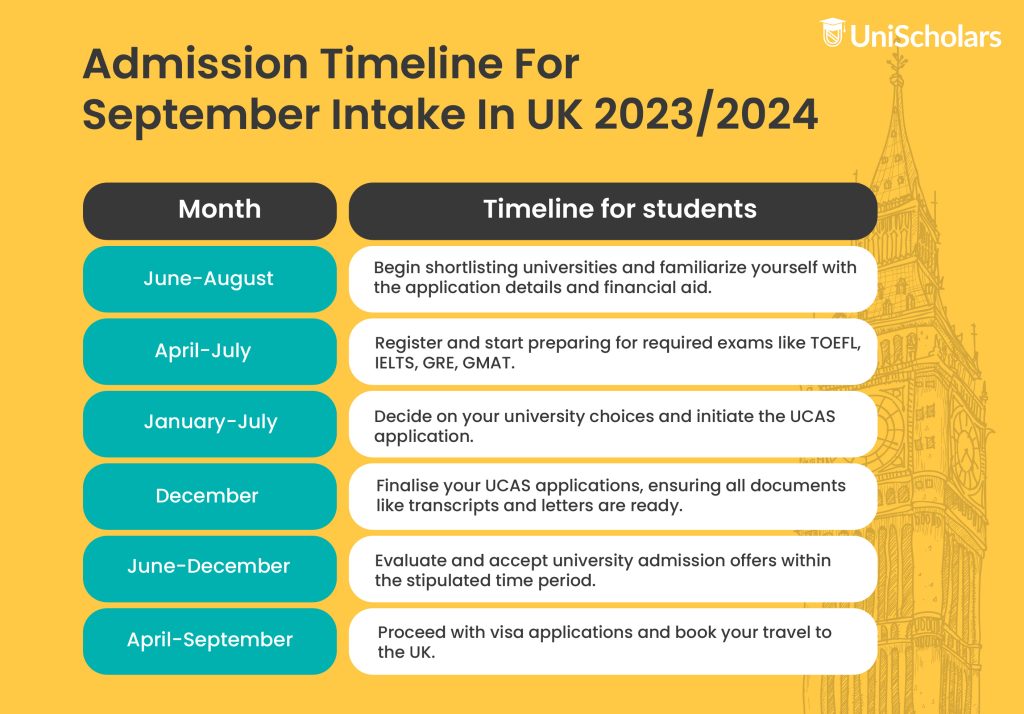
So, to recap, let’s put some rough dates in the diary, shall we? Remember, these are general guidelines, and individual colleges might have slightly different timelines.
- September - December (Year 11): This is the prime time for applications to open. Colleges will be holding open days, and you should be submitting your applications. Start researching early!
- January - March (Year 11): Many colleges will have their main application deadline around this time. You might start receiving invitations for interviews.
- March - May (Year 11): Most interviews will take place. You might also start receiving conditional offers (meaning you need to achieve certain grades in your GCSEs to secure your place).
- June - July (Year 11): Last chance for late applications if spaces are available. You’ll be finalising your choices.
- August (Year 11): GCSE results day! This is the big one. Once you have your results, you’ll confirm your place at your chosen college. If you haven't quite got the grades you expected, don't despair! Colleges often have a process for clearing or reconsidering places.
See? It's a marathon, not a sprint. But the starting pistol fires pretty early in the race.
Final Words of Encouragement (and a Gentle Nudge)
Year 11 is a big year. It’s packed with GCSE revision, mock exams, and the general chaos of growing up. But it's also a year of incredible opportunity. The choices you start making now will shape your next steps.
Don't be afraid to ask for help. Your teachers, your parents, and careers advisors are all there to support you. Talk to older students who have been through it. Read prospectuses. Browse college websites until your eyes water.
And most importantly, believe in yourself. You've got this. The application process might seem daunting, but it's just a structured way of helping you find the right path forward. So, embrace the process, do your research, and get those applications in on time. Your future self will thank you for it. Now go forth and conquer the world of college applications! (And maybe grab yourself a well-deserved biscuit afterwards.)