
When Do Squirrels Leave The Attic Uk
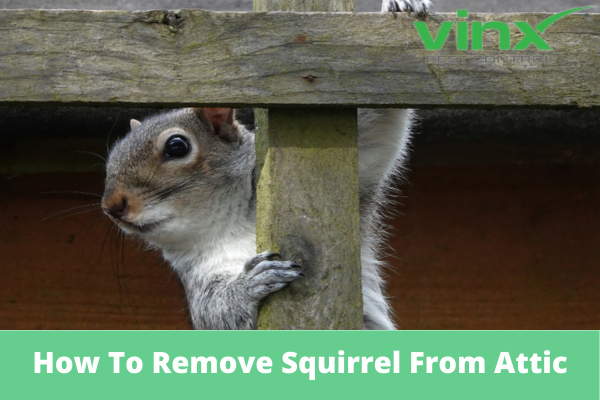
Ah, the attic. That mystical realm above our heads, usually filled with forgotten treasures, questionable Christmas decorations, and, if you're particularly unlucky, a family of furry acrobats. Yes, I'm talking about squirrels. Those chaps with the bushy tails and the uncanny ability to transform your peaceful abode into a tiny, nutty gymnasium. You might be wondering, after a period of rather energetic tap-dancing and rustling that sounds suspiciously like a tiny rave, when do these little critters actually decide to pack their bags and find a new postcode?
It's a question that plagues many a homeowner, usually at 3 AM, just when you've drifted off into a lovely dream about winning the lottery. Suddenly, SCRATCH SCRATCH THUMP BANG. And there it is, that familiar pang of dread. Squirrels in the attic. It’s like discovering a secret society has moved in, and their initiation rites involve a lot of chewing and general chaos. You can practically hear them holding tiny committee meetings up there, debating the best way to dismantle your insulation or which roof tile makes the most satisfying "thwack" sound when they jump on it.
Let's face it, dealing with unwanted houseguests is never fun. Whether it’s your Aunt Mildred who overstays her welcome by a fortnight, or a family of squirrels treating your loft like a five-star resort, the principle is the same: you want them gone. And you want them gone yesterday. But unlike Aunt Mildred, who you can subtly hint at is "looking a bit pale" and suggest a "holiday," squirrels are a bit more… resilient.
So, when do they leave the attic in the UK? The honest truth is, there isn't a single, definitive date on the calendar that says, "Squirrel Eviction Day." It’s a bit more nuanced than that, like trying to predict when your teenager will finally clean their room. It depends on a few factors, mainly related to their life cycle and the changing seasons.
The Squirrel Lifecycle: More Than Just Nuts and Naps
Squirrels, bless their bushy-tailed hearts, have a bit of a social calendar. They don't just spontaneously decide to move in. There's usually a reason, and often, it involves starting a family. In the UK, we're mostly dealing with the grey squirrel, a rather industrious chap who's become quite at home here, sometimes a little too at home.
Generally, grey squirrels have two main breeding seasons. The first is typically in late winter, around January to March. This is when the females are looking for a cozy, safe place to build a nest and raise their young. And what's cozier and safer than your well-insulated attic, right? It’s like a five-star hotel with all the amenities: warmth, protection from predators, and a handy escape route via your guttering. They’re not being malicious, you see. They’re just very practical creatures looking out for their offspring. Think of it as nature’s way of saying, "Congratulations, you've got a built-in creche!"
The second breeding season usually happens in the summer, from around June to August. So, if you’ve managed to evict the winter tenants, you might find yourself playing host to a summer batch. It’s like a seasonal timeshare for squirrels. You get the peace for a bit, then bam, new occupants with a whole new generation of tiny, squeaky residents.

The "Leaving" Part: It's Not Always a Grand Exit
Now, about them leaving. This is where things get a bit fuzzy, much like a squirrel’s ear after a particularly vigorous grooming session. The young squirrels, or "kits," are born blind and helpless. They rely entirely on their mother for warmth, food, and general life lessons. They start venturing out of the nest after about six to eight weeks.
This means that if squirrels moved into your attic in, say, February for the breeding season, the young ones might start exploring their surroundings, and potentially your attic space, around April or May. They're still a bit wobbly on their feet, like toddlers learning to walk, but they’re getting bolder. And as they get bolder, so does the noise. That gentle rustling can escalate to full-blown obstacle courses being run across your ceiling joists.
The mother squirrel will continue to care for them, bringing them food and keeping them safe. She won't just abandon them to fend for themselves the moment they can chew through a wire. It’s a gradual process. The kits will slowly become more independent, and eventually, they'll start to establish their own territories and nesting sites. This typically happens as they mature, usually by the time autumn rolls around.
So, if you're wondering when you can finally reclaim your attic from these energetic tenants, think of it this way: the young ones are born around spring, they start exploring a couple of months later, and by the time the leaves are turning golden, they’re usually making their own way in the world. This means that the period between late spring and early autumn (say, May to September) is often when the original family will naturally start to disperse and move on.
The Summer Lull: A Moment of (Relative) Peace
If you're lucky enough to have squirrels move in during the summer breeding season (June-August), the pattern is similar. The kits will be born, grow, and by the time autumn is setting in (September-November), they'll likely be out and about, setting up their own little bachelor pads or preparing for winter.
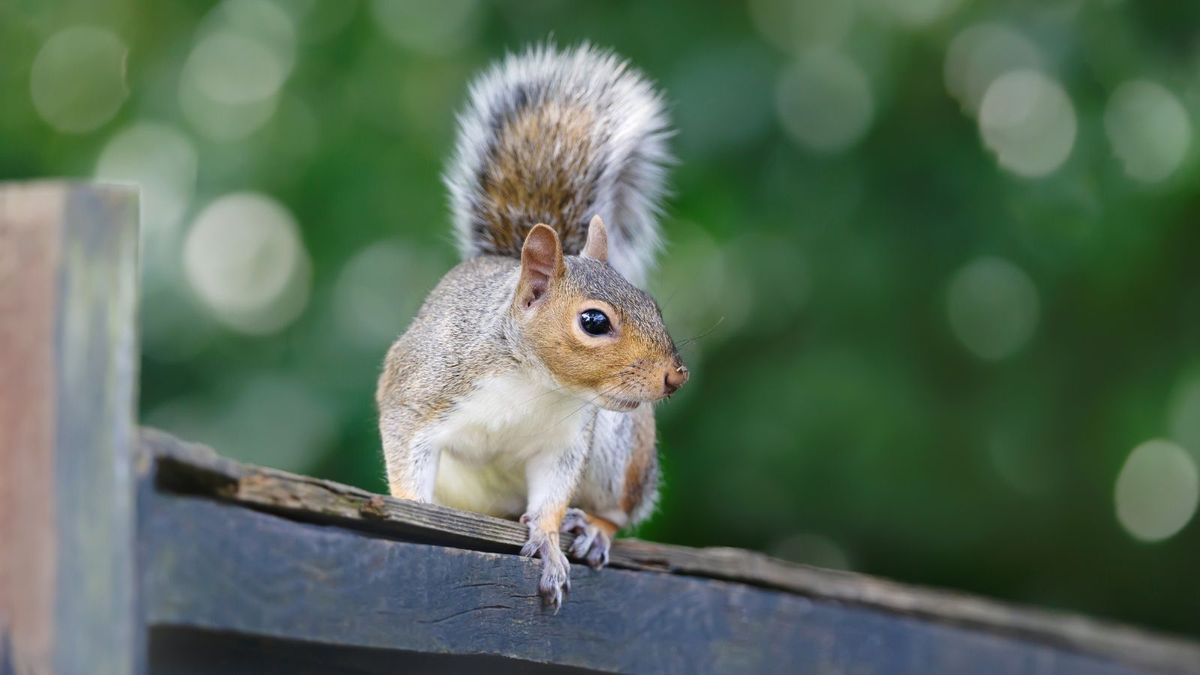
This is why you might hear about a "summer lull" in squirrel activity. It’s not that they vanish into thin air. It's just that the young ones from the winter breeding season have grown up and moved out, and the summer-born ones are still too young to be causing a full-blown attic disco. It’s a bit like a quiet period in the office before the new interns arrive and start asking you a million questions.
But What If They Don't Leave? The Persistent Tenants
Now, here's the tricky part. What if they just… don't? Sometimes, squirrels become quite attached to a particularly well-appointed attic. It’s warm, dry, and offers excellent views of the garden buffet (your bird feeder, perhaps?). In these cases, they might not be in a rush to leave.
Also, and this is crucial, if there are no young squirrels to consider, adult squirrels might be more transient. They might use an attic for shelter or nesting for a while, but they're less likely to be committed residents for the entire year. However, if they've found a reliable food source nearby and a comfortable nest, they might stick around for longer than nature intended.
The most common reason for them staying put, and for the constant noise, is the presence of young. Mothers are fiercely protective and will remain with their kits until they are old enough to survive independently. So, if you hear tiny squeaks and constant rustling, it's a good sign there are babies involved. This is where you need to be particularly gentle and patient. It’s not the time to be banging on the ceiling like a madman.
Think of it like this: you wouldn't kick a mother out of her home while she has newborns, even if she was a squirrel. That’s a parenting thing, and it’s universal. So, if there are babies, you’re often looking at them needing their mother’s care for a good few months. And that means you're in for a bit of a wait.

The Natural Cycle vs. Human Intervention: A Delicate Balance
The natural cycle suggests that by the time autumn arrives, the majority of squirrels will have moved on to establish their own territories or prepare for the colder months. However, "natural cycle" doesn't always mean "immediate removal." Squirrels are adaptable creatures, and if your attic provides a superior living arrangement, they might linger.
This is where the "when do they leave" question becomes more about "when can you encourage them to leave." If you're tired of the nocturnal acrobatics and the constant fear of a power outage caused by chewed wires, you might need to take a more proactive approach.
However, it's vital to remember that this is often during breeding seasons. Trying to humanely deter them when there are young kits involved can be incredibly difficult and, frankly, quite heartbreaking. Imagine trying to persuade a mother squirrel with a nest of tiny, helpless babies to relocate. It’s not quite as simple as putting up a "No Vacancy" sign.
So, What Can You Do (Without Being a Villain)?
Generally, the best approach is to wait until the kits are old enough to be independent. This means waiting until the spring breeding season is over and the young squirrels have grown and dispersed. This typically falls within the late summer or early autumn months.
Once you’re confident that the attic is empty, you can then focus on securing your property. This is where you become the landlord, but the kind who ensures the building is secure for future tenants (or rather, for your own peace of mind). This involves sealing up any entry points. Think of it as pest-proofing, but with a bit more architectural flair.

Common entry points include gaps in the roofline, damaged soffits or fascias, and any holes in the eaves. Squirrels can squeeze through surprisingly small openings, so you need to be thorough. It’s like trying to find that one tiny hole in your favourite jumper that a moth has managed to exploit. You think you’ve found it, you mend it, only to discover another one appearing elsewhere.
You can also make your attic a less appealing place for future visitors. Removing potential food sources, such as fallen nuts or seeds from bird feeders that might be close to the house, can help. Making sure your roof is in good repair and there are no easy access points is also key. It's about making your home less of a five-star hotel and more of a secure fortress.
If you are dealing with a current infestation and are unsure about the presence of young, or if you’re finding it difficult to manage the situation, it’s always best to consult a professional pest control service. They have the expertise to assess the situation, identify any young, and implement humane deterrents or removal methods. They’re the highly trained SWAT team of the wildlife world.
Ultimately, the answer to "When do squirrels leave the attic UK?" is usually dictated by their own biological clock. They'll typically move on by late summer or early autumn, once their young are independent. But the real trick is ensuring they don't make a habit of it. A secure home is a happy home, for you and for the squirrels who have to find somewhere else to hang their bushy tails.
So next time you hear that familiar scurrying, take a deep breath. It’s probably just a squirrel family on their seasonal holiday. And with a bit of patience, and perhaps some strategically placed deterrents once they’ve gone, you can reclaim your attic and enjoy a bit of peace and quiet, until the next generation decides your roof looks particularly inviting.